
Addictions, Relationship, Family and 13 more
Licensed professional counselors
Counselors who work with Addictions
3,943 therapists list addictions among the things they work with. All offer sessions online, and every profile shows the registering body, the membership number and when it runs to.
This directory page highlights licensed professional counselors who list addictions as a focus area. You can browse profiles of counselors who hold LPC, LPCC, or LCPC credentials across the United States to learn about their focus areas and experience.

Addictions, Stress, Anxiety, Career and 14 more

Addictions, Stress, Anxiety, Trauma and abuse and 2 more

Addictions, Stress, Anxiety, Trauma and abuse and 7 more

Addictions, Stress, Anxiety, Relationship and 13 more

Addictions, Stress, Anxiety, Trauma and abuse and 13 more

Addictions, Stress, Anxiety, Family and 16 more

Addictions, Stress, Anxiety, Relationship and 2 more

Addictions, Stress, Anxiety, Trauma and abuse and 17 more

Addictions, LGBT, Self esteem and 2 more

Addictions, Stress, Anxiety, Self esteem and 9 more

Addictions, Stress, Anxiety, Relationship and 14 more

Addictions, Stress, Anxiety, Trauma and abuse and 15 more

Addictions, Stress, Anxiety, LGBT and 15 more

Addictions, Stress, Anxiety, Trauma and abuse and 9 more

Addictions, LGBT, Trauma and abuse and 6 more
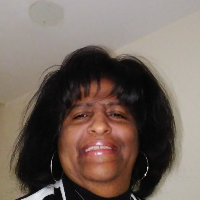
Addictions, Family, Trauma and abuse and 8 more
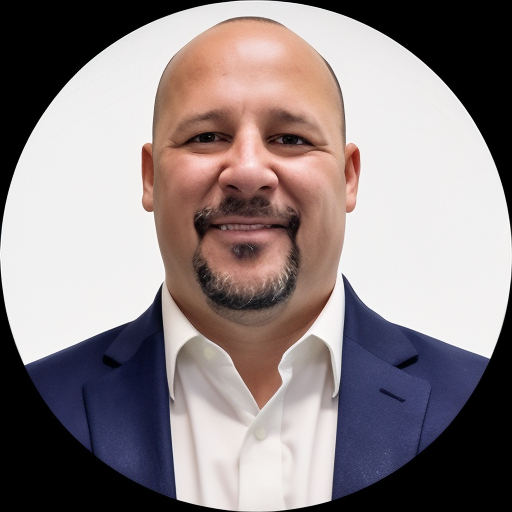
Addictions, Relationship, Trauma and abuse and 2 more

Addictions, Stress, Anxiety, Relationship and 15 more
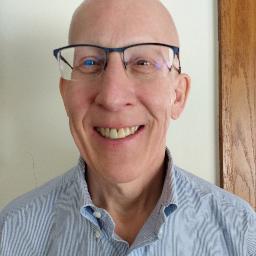
Addictions, Stress, Anxiety, Relationship and 11 more

Addictions, Stress, Anxiety, Relationship and 16 more

Addictions, Stress, Anxiety, Relationship and 13 more

Addictions, Stress, Anxiety, Relationship and 7 more

Addictions, Stress, Anxiety, Anger and 11 more

Addictions, Stress, Anxiety, Relationship and 14 more

Addictions, Stress, Anxiety, Trauma and abuse and 15 more

Addictions, Stress, Anxiety, Relationship and 7 more

Addictions, Relationship, Family and 9 more

Addictions, Stress, Anxiety, Anger and 2 more

Addictions, Stress, Anxiety, Relationship and 17 more

Addictions, Stress, Anxiety, Relationship and 17 more

Addictions, Stress, Anxiety, Relationship and 14 more
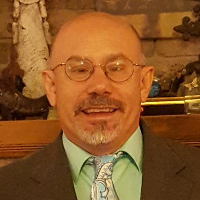
Addictions, Stress, Anxiety, Relationship and 10 more

Addictions, Stress, Anxiety, Anger and 7 more

Addictions, Stress, Anxiety, Family and 13 more

Addictions, Stress, Anxiety, Trauma and abuse and 12 more

Addictions, Stress, Anxiety, Family and 14 more

Addictions, Stress, Anxiety, LGBT and 11 more

Addictions, Stress, Anxiety, Relationship and 2 more

Addictions, Relationship, Family and 2 more

Addictions, Stress, Anxiety, Trauma and abuse and 15 more

Addictions, Stress, Anxiety, Self esteem and 2 more

Addictions, Stress, Anxiety, Relationship and 8 more

Addictions, Stress, Anxiety, Self esteem and 2 more

Addictions, Stress, Anxiety, Parenting and 6 more

Addictions, Stress, Anxiety, Relationship and 2 more

Addictions, Stress, Anxiety, Relationship and 13 more
Addictions, Stress, Anxiety, Trauma and abuse and 11 more
Some links on this page are partner links. We will earn a commission if you sign up through one, at no cost to you. It does not change what you pay or the order of the listings.
Understanding addictions and how they commonly affect you
Addictions can take many forms - substance use, gambling, persistent behaviors around shopping, eating, internet use, or other activities that start to interfere with daily life. For many people the issue begins as a coping strategy for stress, grief, boredom, or pain and becomes a pattern that is hard to control. Over time the consequences may touch work, school, relationships, finances, legal standing, and your sense of self. Emotional effects can include anxiety, shame, low mood, and withdrawal from the supports that once helped you function.
When you consider working with a counselor who holds an LPC, LPCC, or LCPC credential, you are choosing someone whose training is rooted in a wellness and developmental orientation. Counseling education emphasizes how you are functioning now and what you want to move toward, not only a diagnostic label. That orientation can matter if you want help that focuses on day-to-day coping, motivation, building routines that support recovery, and strengthening relationships as part of change.
Signs you might benefit from counseling for addictions
You may find counseling helpful if patterns tied to an addiction are causing repeated problems in your life or feel beyond your control. Signs that counseling could be useful include unsuccessful attempts to cut back, persistent cravings or preoccupation with the behavior, withdrawal from friendships or activities you used to enjoy, trouble meeting responsibilities, or increasing tolerance so that you need more of the substance or behavior to feel the same effect. You might also notice emotional signs such as guilt, shame, mood swings, or heightened anxiety that seem linked to the pattern.
It is also common to seek counseling when attempts at change lead to relapse and you want support to understand triggers and develop relapse-management strategies. If you are concerned about how an addiction affects a relationship, family functioning, or work performance, a licensed professional counselor can help you explore those dynamics and work toward practical steps for improvement. Counselors who hold LPC, LPCC, or LCPC licenses have met state education and practice requirements that prepare them to address these issues within a counseling framework.
What to expect in counseling sessions focused on addictions
In early sessions you and the counselor will usually focus on assessment - getting a clear picture of the pattern, any co-occurring concerns such as anxiety or depression, your history, and what you want to change. Expect a practical, goal-oriented conversation that balances understanding the reasons behind the behavior with building skills and supports that help you make change. Sessions typically explore triggers, daily routines, coping strategies, relationship patterns, and values that can motivate change.
Counseling often includes planning for high-risk situations, creating concrete behavioral goals, and practicing new skills between sessions. You may work on communication with family members, rebuilding daily structure, or developing ways to manage cravings. When there are safety concerns or complex medical needs, a counselor may coordinate with other professionals, and you may discuss referrals as appropriate. The licensed professional counselor credential indicates the counselor has completed a master's degree in counseling, a state-set period of supervised postgraduate clinical experience - commonly two to three years and several thousand hours - and a national examination. State boards issue and renew the license, so specific titles and requirements vary by state.
How duration and format can vary
Some people benefit from short-term focused work on a specific goal, while others need longer-term support to manage relapse risk and rebuild routines. You and your counselor will determine the pace and frequency that fit your needs. Counselors adapt sessions to your goals rather than offering a single fixed program, and their developmental orientation means progress is measured in functional changes as well as symptom shifts.
Common therapeutic approaches you may encounter
Counselors who list particular approaches among their methods may draw from a range of evidence-informed practices. Cognitive behavioral approaches aim to identify and change unhelpful thoughts and behaviors that maintain the pattern, while motivational interviewing concentrates on enhancing your readiness and commitment to change by exploring ambivalence. Some counselors describe integrating relapse prevention strategies that focus on identifying triggers, planning for high-risk moments, and strengthening coping skills.
You may also find counselors who list family systems approaches to address how relationships and household patterns influence use, or counselors who list mindfulness-based techniques to increase awareness of urges without acting on them. Twelve-step facilitation or harm-reduction perspectives may be named as well. The directory only records that a counselor lists an approach among their methods - it does not verify training certificates or specific credentials in any single method. Ask about how a counselor applies an approach to your goals so you understand how it would look in your sessions.
How online counseling works for addictions
Online counseling with a licensed professional counselor can be delivered by video, phone, or messaging, depending on the counselor's listed formats and state board rules. When you work online you can expect conversations similar to in-person counseling - assessment, goal setting, skills practice, and planning - adapted to a remote medium. Online work can increase scheduling flexibility and remove travel barriers, and many counselors use supported communication tools and standard clinical practices to protect session privacy and records.
Licensure for counselors is state-based, and the board in each state governs the license name, scope of practice, and rules for telehealth. If you plan to work with a counselor who is licensed in another state, it is important to confirm whether that counselor's state board permits out-of-state telehealth practice for your location. Online sessions require a reliable internet connection and a setting where you can speak candidly, so choose a place where you feel comfortable and can focus without interruptions. Counselors will typically discuss how to handle emergencies, limits of remote care, and ways to connect with local supports if needed.
Tips for choosing the right licensed professional counselor for addictions
Start by looking for counselors who list addictions among their focus areas and who hold the state license relevant to counseling practice - LPC, LPCC, or LCPC. Keep in mind that the same profession goes by different names in different states, and in some states the clinical title may reflect a state's naming convention rather than a ranking. For example, LCPC is used in Illinois, Maryland, and Montana, while LPCC appears in Ohio, California, Kentucky, and Minnesota. Where state rules distinguish LPC and LPCC as stages, that reflects specific state regulations rather than an inherent difference in counseling skill.
Consider the counselor's stated focus areas, the approaches they list, languages they speak, and any population experience they mention, such as working with young adults, veterans, or families. Think about the style of help you want - more problem-solving and skills practice, or more exploratory work about meaning and relationships - and look for counselors who describe that orientation. You can also ask how they typically structure sessions for addictions and what measures they use to track progress. Finally, if online work matters to you, confirm the counselor lists a telehealth format that fits your preferences and be clear about how sessions will be conducted.
Choosing a counselor is a personal decision. Paying attention to license type, focus areas, approaches, and practical details such as session format and language will help you find someone whose profile matches your needs. Counselors who hold LPC, LPCC, or LCPC licenses are trained through a master's program, completed supervised postgraduate practice, and passed a national exam - credentials that indicate they meet state requirements to provide counseling services in their state of licensure.
Keep exploring
Related concerns
Ways of working