
Relationship, Family, Anger and 13 more
Licensed professional counselors
Counselors who work with Relationship
6,493 therapists list relationship among the things they work with. All offer sessions online, and every profile shows the registering body, the membership number and when it runs to.
This page lists licensed professional counselors who indicate relationship work as a focus, including those licensed as LPC, LPCC, or LCPC depending on state. Browse the profiles below to learn about counselors' focus areas, approaches, languages, and experience that relate to couples, partners, and relationship concerns.

Relationship, Stress, Anxiety, Career and 14 more

Relationship, Stress, Anxiety, Self esteem and 8 more

Relationship, Stress, Anxiety, Addictions and 7 more

Relationship, Stress, Anxiety, Addictions and 13 more

Relationship, Stress, Anxiety, Addictions and 13 more

Relationship, Self esteem, Career and 2 more

Relationship, Stress, Anxiety, Family and 16 more

Relationship, Trauma and abuse, Anger and 10 more

Relationship, Stress, Anxiety, Addictions and 2 more

Relationship, Stress, Anxiety, Addictions and 17 more

Relationship, Stress, Anxiety, Addictions and 14 more

Relationship, Stress, Anxiety, Trauma and abuse and 10 more
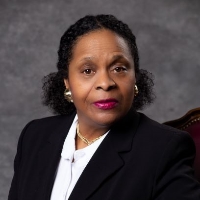
Relationship, Stress, Anxiety, Addictions and 15 more

Relationship, Stress, Anxiety, Family and 8 more

Relationship, Stress, Anxiety, LGBT and 15 more

Relationship, Stress, Anxiety, Trauma and abuse and 5 more

Relationship, Stress, Anxiety, Family and 11 more

Relationship, Stress, Anxiety, Self esteem and 2 more
Relationship, Stress, Anxiety, Family and 9 more

Relationship, Addictions, LGBT and 6 more

Relationship, Anger, Self esteem and 5 more

Relationship, Stress, Anxiety, Family and 7 more
Relationship, Family, Trauma and abuse and 8 more

Relationship, Stress, Anxiety, Anger and 8 more

Relationship, Addictions, Trauma and abuse and 2 more

Relationship, Stress, Anxiety, Family and 2 more

Relationship, Stress, Anxiety, Anger and 2 more
Relationship, Stress, Anxiety, Family and 9 more
Relationship, Stress, Anxiety, Family and 9 more

Relationship, Stress, Anxiety, Addictions and 15 more

Relationship, Stress, Anxiety, Family and 11 more

Relationship, Family, Trauma and abuse and 14 more

Relationship, Stress, Anxiety, Family and 11 more

Relationship, Intimacy-related issues, Parenting and 2 more
Relationship, Stress, Anxiety, Addictions and 16 more

Relationship, Stress, Anxiety, Self esteem and 2 more

Relationship, Stress, Anxiety, Trauma and abuse and 13 more

Relationship, Stress, Anxiety, Grief and 7 more

Relationship, Stress, Anxiety, Anger and 11 more

Relationship, Stress, Anxiety, Self esteem and 2 more

Relationship, Stress, Anxiety, Trauma and abuse and 11 more

Relationship, Stress, Anxiety, Family and 14 more

Relationship, Stress, Anxiety, Trauma and abuse and 15 more

Relationship, Stress, Anxiety, Family and 7 more

Relationship, Stress, Anxiety, Family and 2 more

Relationship, Family, Parenting and 9 more
Relationship, Stress, Anxiety, Family and 17 more
Some links on this page are partner links. We will earn a commission if you sign up through one, at no cost to you. It does not change what you pay or the order of the listings.
Understanding relationship concerns and how they affect you
Relationship concerns can show up in many ways - ongoing conflict, drift and disconnection, recurring arguments about the same topics, difficulty recovering after a breach of trust, and confusion about roles after a life change such as a move or a new child. For some people, relationship difficulties are the most visible stressor in daily life, affecting sleep, work concentration, parenting, and a sense of well-being. Other times relationship strain is one part of a wider pattern that includes individual stress, grief, or changes in mental health. Licensed professional counselors focus on how you are functioning in your relationship and what you want to work toward. Counselor training emphasizes a wellness and developmental orientation, which means sessions typically begin by looking at strengths, patterns, and goals rather than only on diagnosis. That orientation can make licensed counselors a useful option if you want assistance improving communication, resolving recurring patterns, navigating transitions, or rebuilding connection with a partner.
Signs you might benefit from relationship-focused counseling
You might consider working with a relationship counselor if arguments feel never-ending, you and a partner repeat the same cycles despite trying to change, or you are unsure how to talk about sensitive topics such as finances, boundaries, or caregiving. If either person withdraws frequently, if physical or emotional distance has grown, or if you are adapting to a major life transition - for example a remarriage, blended family dynamics, or the stress of caregiving - focused counseling can provide tools for clearer communication and negotiated change. You may also be drawn to counseling when trust has been damaged and you want structured steps toward repair, when one partner is coping with a mental health condition that affects the relationship, or when you want support planning for co-parenting. If there is any threat of harm or ongoing abuse, it is appropriate to prioritize immediate safety by contacting local emergency services or a specialized domestic violence resource. Relationship counseling is not a substitute for crisis services, but it can be part of longer-term work when safety needs are addressed.
What to expect in sessions focused on relationships
Initial conversations and setting goals
Your first sessions typically begin with an intake conversation where the counselor asks about the relationship history, current concerns, and what each person hopes to achieve. Licensed professional counselors are trained to listen for interaction patterns and to help you and your partner translate painful moments into understandable cycles. Together you and the counselor will set goals that reflect both immediate concerns and longer-term changes you want to make. Sessions may take place with both partners present, with individuals separately, or a combination of both formats depending on what you agree is most useful. Counselors who work with relationships often assign practical skills to practice between sessions such as communication exercises, reflection prompts, or experiments designed to change day-to-day behavior.
Frequency, duration, and collaboration
Session frequency varies based on need and preference; some couples begin weekly and move to biweekly or monthly meetings as progress is made. Licensed professional counselors adhere to state regulations about licensure and practice. If you are working with a counselor whose license name differs from what you expect - for example LCPC in Illinois or LPCC in Ohio - that difference is a state naming convention and does not mean the person is a different kind of licensed professional counselor. The directory lists counselors who hold an LPC, LPCC, or LCPC, and you can use profile details to learn about counselors' populations of focus and the kinds of relationship work they highlight.
How the LPC, LPCC, and LCPC licenses relate to relationship counseling
The licensed professional counselor credential takes slightly different names in different states. Most states use the LPC title. Some states use LPCC or LCPC; for example, Ohio, California, Kentucky, and Minnesota use LPCC, while Illinois, Maryland, and Montana use LCPC. In a few states the titles can reflect different stages or board rules rather than being simply alternate names, so if state naming matters to you it helps to read the licensing explanation on a counselor's profile and to consult the issuing state board. Across the board, the license requires a master’s degree in counseling or a closely related field, a state-set period of supervised postgraduate clinical experience commonly running two to three years and several thousand hours, and passing a national examination. The board that issues and renews the license is a state board, so exact requirements and renewal rules vary by jurisdiction. Because counselor education emphasizes development and functioning, a counselor who holds an LPC, LPCC, or LCPC will typically frame relationship goals around skills, communication patterns, meaning, and the next steps toward healthier interaction rather than starting from diagnosis alone. Do not confuse these licensed counselor titles with other credentials such as LCSW, LMFT, LMHC, or psychologist licensure - those are separate professions with distinct training and boards.
Common approaches you will find listed and what they mean in practice
Profiles in this directory list the approaches counselors mention in their own descriptions. You will encounter many names - for example emotionally focused work, cognitive-behavioral approaches, systemic or family-systems perspectives, attachment-informed work, narrative approaches, and skills-based methods that focus on communication and problem solving. When a counselor profile lists an approach, it indicates the counselor notes that method among their practice descriptors; it is not an independent verification of specialized certification. In practice, counselors who list these approaches may combine elements from several orientations to meet the needs of the people they work with. For example, a session might include focused attention on emotion and attachment, practice of specific communication skills, and planning for practical changes in daily life. Paying attention to the languages a counselor speaks, the populations they mention - such as premarital couples, blended families, or partners navigating medical or career transitions - and the experience they report with particular kinds of relationship work can give a clearer sense of fit than an approach label alone.
Online relationship counseling and tips for choosing a counselor
Remote work is a common option for relationship counseling. Online sessions typically use live video or phone calls and can make it easier to schedule sessions across busy lives or when partners live in different places. Licensing rules matter for online work - counselors are authorized to practice under the rules of the state that issues their license and may describe where they are able to work. When you consider a counselor's profile for online work, think about session format preferences, language ability, experience with similar relationship issues, and how the counselor describes their focus areas. Practical matters to compare include whether the counselor lists experience with couples or with certain family arrangements, any cultural or identity expertise they highlight, and the communication style reflected in their profile. The directory records that a counselor holds an LPC, LPCC, or LCPC; it does not verify other qualifications or measure outcomes. If you want to confirm licensure status or learn specifics about how a counselor works, the state licensing board for counselors can provide official information about a current license and its standing.
Choosing a counselor is a personal process. Look beyond credential initials to find a counselor whose profile emphasizes the relational issues most relevant to you, whose approach descriptions resonate with your goals, and who communicates in a way that feels respectful and clear. Many people find it helpful to prioritize a counselor who lists experience with the kind of relationship work you need, who notes relevant languages or cultural background, and who describes a practical focus on communication and change. Relationship work often blends emotion-focused understanding with skill development and practical planning, and a counselor who frames their work that way can help you and your partner move toward clearer interactions and mutually agreed goals.
Keep exploring
Related concerns
Ways of working