
Stress, Anxiety, Career, Depression and 14 more
Licensed professional counselors
Counselors who work with Disaster Relief Therapy
1,589 therapists list disaster relief therapy among the things they work with. All offer sessions online, and every profile shows the registering body, the membership number and when it runs to.
Explore profiles of licensed professional counselors who list disaster relief and crisis coping among their focus areas, including LPC, LPCC, and LCPC practitioners. Browse the listings below to review credentials, approaches, languages, and experience to find counselors who match your needs.

Stress, Anxiety, Trauma and abuse, Bipolar and 2 more

Stress, Anxiety, Addictions, Relationship and 13 more

Stress, Anxiety, Family, Trauma and abuse and 16 more

Stress, Anxiety, Addictions, Trauma and abuse and 17 more

Stress, Anxiety, Addictions, Relationship and 14 more

Stress, Anxiety, Trauma and abuse, Self esteem and 10 more
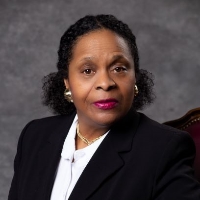
Stress, Anxiety, Addictions, Trauma and abuse and 15 more

Stress, Anxiety, Trauma and abuse, Grief and 9 more

Addictions, LGBT, Trauma and abuse and 6 more

Relationship, Anger, Self esteem and 5 more

Stress, Anxiety, Trauma and abuse, Self esteem and 2 more

Stress, Anxiety, Trauma and abuse, Grief and 15 more

Stress, Anxiety, Relationship, Family and 7 more

Relationship, Family, Parenting and 9 more

Stress, Anxiety, Relationship, Trauma and abuse and 17 more

Stress, Anxiety, Anger, Self esteem and 9 more
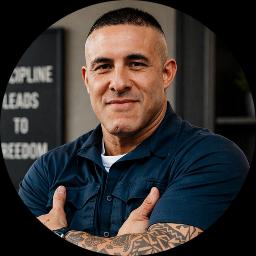
Stress, Anxiety, Relationship, Trauma and abuse and 2 more

Stress, Anxiety, Family, Grief and 13 more

Stress, Anxiety, Addictions, Trauma and abuse and 15 more

Stress, Anxiety, Trauma and abuse, Coping with life changes and 10 more

Stress, Anxiety, Addictions, Self esteem and 1 more

Stress, Anxiety, Relationship, Family and 8 more
Stress, Anxiety, Family, Trauma and abuse and 11 more

Stress, Anxiety, Grief, Depression and 7 more

Stress, Anxiety, Relationship, Trauma and abuse and 2 more

Stress, Anxiety, Addictions, Trauma and abuse and 17 more

Stress, Anxiety, Relationship, Family and 16 more

Addictions, Relationship, Trauma and abuse and 2 more

Stress, Anxiety, Addictions, Anger and 14 more
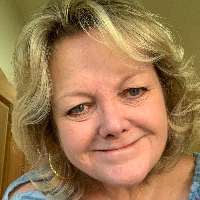
Relationship, Trauma and abuse, Parenting and 9 more
Stress, Anxiety, Trauma and abuse, Grief and 14 more

Relationship, Trauma and abuse, Grief and 2 more

Stress, Anxiety, Trauma and abuse, Self esteem and 12 more

Stress, Anxiety, Trauma and abuse, Parenting and 14 more

Stress, Anxiety, Trauma and abuse, Anger and 13 more

Stress, Anxiety, Relationship, Trauma and abuse and 15 more

Stress, Anxiety, Relationship, Family and 17 more

Stress, Anxiety, Relationship, Family and 15 more

Stress, Anxiety, Trauma and abuse, Bipolar and 2 more

LGBT, Relationship, Family and 7 more

Stress, Anxiety, LGBT, Trauma and abuse and 16 more

Stress, Anxiety, LGBT, Trauma and abuse and 12 more

Stress, Anxiety, Family, Trauma and abuse and 16 more

Stress, Anxiety, Trauma and abuse, Self esteem and 12 more

Stress, Anxiety, Relationship, Trauma and abuse and 2 more

Stress, Anxiety, Trauma and abuse, Anger and 2 more

Stress, Anxiety, Addictions, Depression and 13 more
Some links on this page are partner links. We will earn a commission if you sign up through one, at no cost to you. It does not change what you pay or the order of the listings.
What disaster relief counseling covers and how disasters affect people
When you face a natural disaster, large accident, community violence, or other crisis event, the immediate disruption can affect many parts of your life. Disaster relief counseling refers to the specialized support counselors offer to people coping with loss, upheaval, ongoing stress, and the ripple effects that follow an event. Licensed professional counselors - whether licensed as LPC, LPCC, or LCPC depending on your state - focus on how you are functioning now and what you are trying to get back to or build toward. That wellness and developmental orientation means the work often centers on restoring daily routines, bolstering coping skills, and helping you pursue short and longer term recovery goals rather than only labeling symptoms.
The emotional and practical consequences of a disaster can show up in many ways. You may notice changes in sleep or appetite, difficulty concentrating at work, irritability or numbness, increased worry, or trouble connecting with family and friends. You may also face financial strain, housing disruption, or loss of community resources. A counselor can help you sort immediate priorities while also addressing reactions that persist past the initial weeks and interfere with functioning. Because the license that qualifies counselors varies by state - LPC in most states, LPCC in places such as Ohio, California, Kentucky, and Minnesota, and LCPC in states like Illinois, Maryland, and Montana - knowing these names helps you understand who holds the credential your state requires.
Signs you might benefit from disaster-focused counseling
You might be wondering whether what you are experiencing is something a counselor can help with. Consider seeking a licensed professional counselor if you find that reactions to a disaster are persistent, worsen over time, or interfere with important areas of your life. If you struggle to return to work or school, feel overwhelming anxiety when reminded of the event, have trouble managing daily responsibilities, or notice that relationships are strained because of mood changes, counseling can offer strategies for coping and recovery. You do not need a formal diagnosis to benefit from talking with a licensed counselor; the training for LPC, LPCC, and LCPC licensure emphasizes assessing functioning and setting practical goals that matter to you.
Some people pursue counseling soon after an event to address immediate safety planning, stabilization of sleep and emotions, and to develop coping techniques. Others wait until weeks or months later when intrusive memories, nightmares, or avoidance start to limit life. You may also seek support if you are helping someone else - a family member, first responder, or neighbor - and want tools to support them effectively while maintaining your own well-being. Because state licensing boards issue and renew LPC-related credentials and each board sets requirements, you can look for counselors who explicitly list disaster relief or crisis coping among their focus areas on their profiles here.
What to expect in sessions with a licensed professional counselor
When you meet with a counselor who lists disaster relief or crisis coping as a focus, the first meetings typically include an assessment of your current functioning, a review of immediate safety and practical needs, and a conversation about goals. You and the counselor will talk about what matters most to you right now - whether that is sleeping better, returning to work, managing panic or flashbacks, or improving communication with loved ones - and create a plan that aligns with those priorities. Because counselors holding LPC, LPCC, or LCPC licenses have completed a master's degree in counseling plus a state-set period of supervised postgraduate clinical experience and a national exam, their work is grounded in both clinical knowledge and client-centered planning.
Sessions often combine symptom management with skills practice. Early in the work you can expect to focus on grounding and coping techniques to help manage intense reactions, on practical problem solving for housing, finances, or school issues if those are affected, and on connecting with community supports. As you progress, the counselor may help you process memories and rebuild a sense of safety and meaning. The pace and focus are driven by your needs; counselors emphasize functional recovery and what you want to reclaim in daily life. If state naming matters to you, remember that LPCC or LCPC may be the same licensed profession under a different title in your state, or in some jurisdictions the clinical title reflects additional supervised practice - consult your state board for exact definitions.
Common approaches counselors list for disaster work
Counselors working in disaster relief settings draw from a range of approaches aimed at helping people stabilize, process, and recover. You may connect with counselors who list cognitive behavioral strategies, trauma-focused techniques, exposure-based work, narrative methods, or supportive counseling among their approaches. Many counselors also emphasize psychoeducation about common stress reactions and practical coping tools for sleep, attention, and emotion regulation. Because the directory records only the approaches counselors list on their profiles, seeing an approach named does not confirm a specific certification or standardized training. However, reviewing listed approaches can help you identify counselors whose stated methods align with your preferences.
In community and public settings you will also find counselors who emphasize cultural humility, community resilience, and family systems in their work. Disaster situations often require attention to social supports, meaning-making, and the interplay between practical recovery and emotional healing. Licensed counselors with the LPC, LPCC, or LCPC credential bring training that starts from how you are functioning and what you are working toward, which can be especially useful when recovery involves rebuilding routines, roles, and relationships affected by a crisis.
How online counseling works for disaster relief and what licensure means for telehealth
Online counseling is a common option for disaster relief work because it can increase reach and continuity when in-person services are disrupted. When you choose to work online, sessions may be offered by video, phone, or through messaging, depending on what the counselor lists on their profile. Online work can let you connect from wherever you are physically located, which is helpful if you are displaced or when local services are strained. Keep in mind that licensing rules matter for online care. Most state boards require counselors to be licensed in the state where the client is located at the time of service, and that requirement applies to LPC, LPCC, and LCPC credentials. This is why the license name in your state matters: LCPC in Illinois, LPCC in Ohio, California, Kentucky, and Minnesota, and LPC in many other states all refer to the licensed professional counselor profession under different state naming conventions.
Because state boards set the rules, counselors sometimes describe their licensure status and the states where they are authorized to practice on their profiles. If you plan to use online sessions, look for counselors who list the practice formats they use and the licensure details relevant to your state. Online counseling can match the same counseling focus as in-person sessions - stabilization, coping strategies, processing the event, and planning - while offering flexibility in scheduling and location. It can also be a practical way to continue work as you move through different stages of recovery.
Choosing the right licensed professional counselor for disaster relief
Choosing a counselor is a personal decision. When you review profiles on this site, focus on the things that matter most to your recovery: whether a counselor lists disaster relief or crisis coping among their specialties, the approaches they mention, their experience with similar events or populations, languages spoken, and any cultural or community competences they describe. Remember that LPC, LPCC, and LCPC are state-issued licenses that confirm a counselor met education, supervised experience, and examination requirements; the license alone does not indicate a particular therapeutic method or outcome. If distinctions between licensure titles are important to you, note that some states use different names for the same profession while others use clinical titles to reflect state-specific practice stages.
Also consider practical questions such as whether you prefer in-person or online sessions, the counselor's stated session structure, and whether their focus aligns with the goals you identified for recovery. Look for counselors who explicitly list disaster relief, crisis intervention, trauma, or related areas among their focus areas if that alignment matters. This directory shows licensed status and profile details that help you compare focus areas, approaches, credentials, languages, and experience so you can make an informed choice about who you want to contact outside the directory.
Finally, if you are in immediate danger or are facing an emergency, reach out to local emergency services or crisis lines in your area right away. For ongoing support after a disaster, licensed professional counselors who list disaster relief and crisis coping as part of their practice can help you build skills, restore functioning, and pursue recovery goals at a pace that fits your situation.
Keep exploring
Related concerns
Ways of working