Dr.
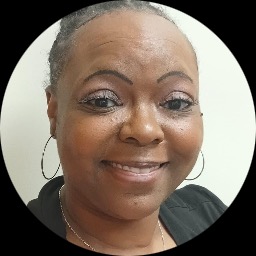
01About Patricia
Dr. Patricia Brawley helps people who are dealing with stress, anxiety, depression, trauma, grief, addictions, relationship and intimacy concerns, and problems like sleep, eating, anger, and low self-esteem. She also supports people facing career struggles, bipolar mood shifts, and life changes that feel overwhelming.
Dr. Brawley practices as an LPC - Licensed Professional Counselor in Mississippi and brings 35 years of experience to her work. She keeps sessions practical and personal.
Background and approach
Conversations are plain and direct. She often uses creative exercises such as journaling, poetry, film, and guided imagery to open new ways of looking at a problem. That can make tough topics easier to talk about and give concrete things to try between sessions.
Her approach mixes acceptance and commitment ideas with client-centered listening and mindfulness practices. She also draws on existential and Jungian perspectives when people want to consider meaning, life purpose, or symbols from dreams and creativity. Sessions focus on what a person wants to change and what matters most to them.
People who prefer short check-ins or ongoing dialogue can use video, phone, live chat, or text messaging. International clients can work with her in English. Fees vary by location and a subscription model is used that may be canceled at any time.
To begin, users choose Start Therapy, complete a brief matching questionnaire, and schedule based on therapist availability. The process is collaborative and paced to each persons needs.
02Credentials
- LPC (Mississippi)
- License 0608 · expires June 2027
- NPI
- 1013908243 · national provider identifier
Both are public records. A state board register will confirm a license and its standing, and the national registry will confirm an NPI. This directory copies what the counselor lists and checks neither.
03Focus areas and approaches
Everything Patricia lists on their public professional profile, in their own terms.
- Stress, Anxiety
- Trauma and abuse
- Grief
- Depression
- Coping with life changes
- Addictions
- LGBT
- Relationship issues
- Intimacy-related issues
- Eating disorders
- Sleeping disorders
- Anger management
- Self esteem
- Career difficulties
- Bipolar disorder
- Abandonment
- Aging and geriatric issues
- Body image
- Codependency
- Coping with natural or human-caused disaster
- Eating and food-related issues
- Family of origin issues
- First responder issues
- Forgiveness
- Life purpose
- Veteran and Armed Forces Issues
- Mood disorders
- Post-traumatic stress
- Process addiction (porn, exercise, gambling)
- Seasonal Affective Disorder (SAD)
- Self-love
- Women's issues
Methods Patricia names
- Acceptance and Commitment Therapy (ACT)
- Client-Centered Therapy
- Existential Therapy
- Jungian Therapy
- Mindfulness Therapy
- Narrative Therapy
- Trauma-Focused Therapy
These are the methods Patricia names on their own professional profile. Naming an approach is not evidence of training or certification in it, and this directory checks no training records. Ask directly if it matters to you.
We will earn a commission if you sign up through our link, at no cost to you. It does not change what you pay or the order of the listings.
04Online support
Therapeutic approaches for online care
Acceptance and Commitment Therapy (ACT) helps people notice difficult thoughts and feelings without getting stuck in them, then commit to actions that reflect what matters most. It can be useful for anxiety, depression, stress, and coping with life changes. Client-Centered Therapy focuses on respectful listening and understanding, letting each person set the pace and goals while the therapist reflects and supports their choices. That approach helps people who need validation and clearer direction.Finding the best approach is part of the work together. The therapist will talk with the person about goals, preferences, and what has or hasnt worked before. They will try methods that match those needs and adjust things over time so the plan fits the person rather than forcing a single method.
Online sessions offer practical flexibility. Video calls allow face-to-face conversation and visual cues, phone sessions can be a good option when bandwidth or mobility is limited, and live chat or text messaging suits short check-ins, journaling prompts, or ongoing support between appointments. These formats make it easier to fit therapy into a busy life and keep momentum as progress is made.
05Questions people ask
What concerns does she help with?
She supports people facing stress, anxiety, depression, trauma and abuse, grief, addictions, relationship and intimacy issues, eating and sleeping problems, anger, self-esteem, bipolar and other mood disorders.
What is her general therapy style?
Her style is practical and personal, using plain conversation and creative exercises like journaling, poetry, and film to help people think differently about their situation.
How much clinical experience does she have?
She has 35 years of experience working with a wide range of concerns and approaches.
What are her credentials and where is she located?
She holds an MS and is listed as an LPC - Licensed Professional Counselor, and she practices from Mississippi.
Can I work with her if I live outside the United States?
Yes. She accepts international clients and provides services in English.
Which session formats are available?
Sessions can be by video call, phone session, live chat, or text-based messaging to fit different schedules and communication preferences.
How are fees handled?
Costs vary with location and therapist availability; sessions use a subscription model that can be canceled at any time.
How do I begin working with her?
Click the Start Therapy button, complete a short matching questionnaire, and schedule sessions according to the therapist's availability.
More counselors in Mississippi
See all
Self esteem, Career, Coping with life changes and 6 more

Relationship, Anger, Self esteem and 5 more
Stress, Anxiety, Relationship, Family and 17 more

Stress, Anxiety, Family, Parenting and 11 more
Is this your profile?
Ask us to correct details or take the page down.