Linda Orlando uses a practical, person-centered approach to help people manage stress and anxiety.
01About Linda
Linda Orlando uses a practical, person-centered approach to help people manage stress and anxiety. She works from Maine and brings nine years of clinical experience as an ME LCPC. Linda frames sessions around each person's goals and strengths so therapy feels useful from the start.
She treats relationship concerns, career stress, life changes, and grief in straightforward language. Sessions also address sleep problems, parenting strain, self-esteem, depression, and ADHD-related challenges.
Background and approach
Additional areas of focus include aging and geriatric issues, autism and Asperger syndrome, chronic pain or illness, and women's health topics. Linda combines Acceptance and Commitment Therapy with client-centered listening and cognitive behavioral techniques. She helps people notice unhelpful thoughts, try small behavior changes, and choose actions that match their values.
Narrative therapy and hypnotherapy are also available when a different perspective may help. Her style emphasizes collaboration. Clients are seen as experts in their own lives, and treatment plans are shaped together.
That makes it easier to try practical coping steps and to adjust the plan as needed. Sessions are offered by video, phone, live chat, or text-based messaging. The subscription model used for sessions can be canceled at any time and pricing varies by location and therapist availability.
02Credentials
- LCPC (Maine)
- License CC4931 · expires December 2027
- NPI
- 1366820110 · national provider identifier
Both are public records. A state board register will confirm a license and its standing, and the national registry will confirm an NPI. This directory copies what the counselor lists and checks neither.
03Focus areas and approaches
Everything Linda lists on their public professional profile, in their own terms.
- Stress, Anxiety
- Relationship issues
- Career difficulties
- Coping with life changes
- Coaching
- Family conflicts
- Grief
- Sleeping disorders
- Parenting issues
- Self esteem
- Depression
- ADHD
- Aging and geriatric issues
- Autism and Asperger Syndrome
- Body image
- Chronic pain, illness, and disability
- Family problems
- Gender dysphoria
- Infidelity
- Life purpose
- Mood disorders
- Phobias
- Polyamory / non-monogamous relationships
- Pregnancy and childbirth
- Somatization
- Women's issues
Methods Linda names
- Acceptance and Commitment Therapy (ACT)
- Client-Centered Therapy
- Cognitive Behavioral Therapy (CBT)
- Hypnotherapy
- Narrative Therapy
- Solution-Focused Therapy
These are the methods Linda names on their own professional profile. Naming an approach is not evidence of training or certification in it, and this directory checks no training records. Ask directly if it matters to you.
We will earn a commission if you sign up through our link, at no cost to you. It does not change what you pay or the order of the listings.
04Online support
Approaches that translate well to online therapy
Acceptance and Commitment Therapy (ACT) helps people notice difficult thoughts and feelings without getting stuck in them, then choose actions that match what matters most. It is useful for anxiety, stress, and life transitions. Client-Centered Therapy emphasizes listening and empathy so clients feel heard and can identify their own next steps; it supports self-exploration and building on personal strengths. Cognitive Behavioral Therapy (CBT) focuses on identifying unhelpful thinking patterns and trying specific behavior changes to reduce symptoms like anxiety, low mood, or sleep problems.Finding the right approach is part of therapy. The therapist will work collaboratively to decide which methods fit best with a person's goals and preferences. That may mean combining elements from ACT, client-centered work, and CBT, and adapting them as progress unfolds.
Offering video calls, phone sessions, live chat, and text-based messaging makes therapy easier to fit into a busy life. Video works well for face-to-face conversations and learning skills. Phone sessions can be a simpler option that uses less bandwidth. Live chat and text messaging are useful for brief check-ins, reminders, or ongoing coaching between longer sessions. These options support flexible scheduling and different communication needs.
05Questions people ask
What concerns does she commonly address?
She works with stress, anxiety, relationship issues, career challenges, grief, sleep problems, self-esteem, depression, and ADHD among other concerns.
What is her general therapeutic style?
Sessions blend Acceptance and Commitment Therapy, client-centered listening, and cognitive behavioral techniques. Therapy focuses on practical steps and clients' values.
How much clinical experience does she have?
She brings nine years of professional experience supporting people through life changes and emotional challenges.
Where is she licensed and based?
She is identified as ME LCPC and practices from Maine.
Which languages are sessions offered in?
Sessions are offered in English.
What session formats are available?
Clients can choose video calls, phone sessions, live chat, or text-based messaging according to their needs.
How are sessions billed and what do they cost?
Cost varies with location and therapist availability; sessions use a subscription that can be canceled at any time.
How do I begin working with her?
Begin by selecting the Start Therapy button, completing a short matching questionnaire, and scheduling a session based on therapist availability.
More counselors in Maine
See all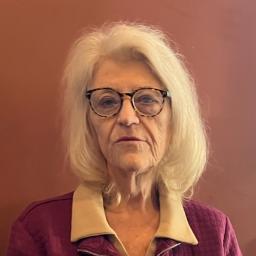
Stress, Anxiety, Trauma and abuse, Parenting and 2 more

Stress, Anxiety, Addictions, Trauma and abuse and 2 more

Stress, Anxiety, Relationship, Family and 17 more

Stress, Anxiety, Relationship, Self esteem and 1 more
Is this your profile?
Ask us to correct details or take the page down.