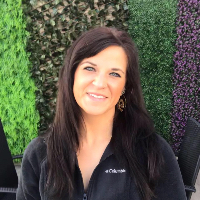
Laura Fletcher is a licensed professional counselor practicing in Texas.
01About Laura
Laura Fletcher is a licensed professional counselor practicing in Texas. She brings more than two decades of experience in healthcare and counseling to sessions. Laura aims to help people who are facing big life changes, grief, stress, anxiety, mood challenges, and relationship or parenting strains.
She prefers a clear, down-to-earth style in therapy. Conversations focus on what matters to the client and on practical steps that can be taken between sessions.
Background and approach
Laura draws on approaches that include attachment work, cognitive behavioral ideas, mindfulness, and EMDR when appropriate. Her background includes long experience in healthcare settings, including many years working with cancer care, caregiver stress, and end-of-life concerns. That history shaped her interest in supporting people through illness, bereavement, and major transitions in life and work.
Laura often helps people notice the strengths they already have and build on them. She supports practical problem solving for things like coping with chronic pain, managing compassion fatigue, and navigating career or relationship shifts. Sessions are intended to be collaborative.
Laura works with each person to set goals, try approaches that fit their situation, and adjust plans as needed. The focus is on real-world change and clearer coping when life feels overwhelming.
02Credentials
- LPC (Texas)
- License 17060 · expires February 2027
- NPI
- 1528483500 · national provider identifier
Both are public records. A state board register will confirm a license and its standing, and the national registry will confirm an NPI. This directory copies what the counselor lists and checks neither.
03Focus areas and approaches
Everything Laura lists on their public professional profile, in their own terms.
- Stress, Anxiety
- Trauma and abuse
- Grief
- Self esteem
- Coaching
- Addictions
- LGBT
- Relationship issues
- Family conflicts
- Intimacy-related issues
- Parenting issues
- Career difficulties
- Bipolar disorder
- Depression
- Coping with life changes
- Compassion fatigue
- Aging and geriatric issues
- Attachment issues
- Cancer
- Caregiver issues and stress
- Chronic pain, illness, and disability
- Communication problems
- Coping with natural or human-caused disaster
- Divorce and separation
- Family of origin issues
- Family problems
- Fertility issues
- First responder issues
- Forgiveness
- Guilt and shame
- Hospice and end-of-life counseling
- Infidelity
- Isolation / loneliness
- Life purpose
- Mood disorders
- Post-traumatic stress
- Process addiction (porn, exercise, gambling)
- Sex addiction
- Social anxiety and phobia
- Women's issues
- Workplace issues
- Young adult issues
Methods Laura names
- Attachment-Based Therapy
- Client-Centered Therapy
- Cognitive Behavioral Therapy (CBT)
- Eye Movement Desensitization and Reprocessing (EMDR)
- Mindfulness Therapy
- Motivational Interviewing
These are the methods Laura names on their own professional profile. Naming an approach is not evidence of training or certification in it, and this directory checks no training records. Ask directly if it matters to you.
We will earn a commission if you sign up through our link, at no cost to you. It does not change what you pay or the order of the listings.
04Online support
Approaches that fit online care
Attachment-Based Therapy looks at how early relationships shape current connections. It helps people understand patterns in relationships and try new ways of relating. Cognitive Behavioral Therapy, or CBT, focuses on the links between thoughts, feelings, and actions. It teaches specific skills to reduce anxiety, manage mood, and change unhelpful behavior. Mindfulness Therapy encourages present-moment awareness through simple exercises to reduce reactivity and increase calm.Choosing the right approach is a shared process. The therapist will talk with the person about their goals and preferences and try methods that match their needs. If one way of working doesnt fit, adjustments are made so the person feels involved in decisions about their care.
Online therapy offers flexible ways to connect. Video calls allow face-to-face conversation when seeing nonverbal cues matters. Phone sessions can fit a quick check-in or be easier when bandwidth is limited. Live chat and text messaging let people send short updates, ask questions between sessions, or work in moments that suit a busy schedule. These options make it easier to keep therapy consistent during work, caregiving, or health challenges.
05Questions people ask
What kinds of concerns does she help with?
She helps people with stress, anxiety, depression, grief, trauma and abuse, self-esteem issues, addictions, and career or relationship concerns.
What is her therapy style like?
Sessions are practical and down-to-earth. The work focuses on goals, everyday coping skills, and drawing on a persons strengths.
How much clinical experience does she have?
She has 23 years of professional experience in healthcare and counseling settings.
What credentials and location apply?
She is a Licensed Professional Counselor - LPC - practicing in Texas.
Which languages are sessions offered in?
Sessions are offered in English.
What session formats are available?
Therapy is offered via video calls, phone sessions, live chat, and text-based messaging.
How are fees and billing handled?
Cost varies with location and therapist arrangements; sessions use a subscription model that can be canceled at any time.
How do I begin working together?
To start, select the Start Therapy button, complete a short matching questionnaire, and schedule based on the therapists availability.
More counselors in Texas
See all
Relationship, Family, Anger and 13 more

Stress, Anxiety, Self esteem, Career and 2 more

Stress, Anxiety, Depression, Coping with life changes
Stress, Anxiety, LGBT, Relationship and 15 more
Is this your profile?
Ask us to correct details or take the page down.