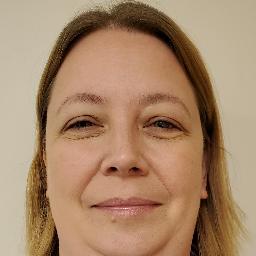
Jessica Williams is a Licensed Professional Counselor practicing in West Virginia.
01About Jessica
Jessica Williams is a Licensed Professional Counselor practicing in West Virginia. She focuses on helping people who are dealing with anxiety, depression, stress, trauma, and addictive behaviors. Her style is direct and compassionate, aimed at practical change rather than labels.
She uses evidence-based therapeutic techniques to help clients manage symptoms and build new coping skills. Sessions are collaborative - she listens to what matters most and helps set realistic goals.
Background and approach
People often work on improving communication, reducing overwhelming feelings, and handling big life changes. Jessica pays attention to how early attachment and abandonment experiences shape current relationships. She also supports people navigating body image concerns, codependency, control issues, and the effects of chronic illness or pain.
Work with alternative sexual cultures such as BDSM and kink is included within her focus areas when relevant to the client's goals. Her approach blends practical skill building with attention to past wounds that keep patterns repeating. She helps people notice unhelpful habits, try new responses, and practice them between sessions.
Progress is measured in concrete steps, like better sleep, fewer panic episodes, or clearer boundaries. Jessica has five years of clinical experience and holds the LPC credential. She offers video calls, phone sessions, live chat, and text-based messaging to fit different routines and needs.
02Credentials
- LPC (West Virginia)
- License 2911 · expires June 2026
- NPI
- 1821710930 · national provider identifier
Both are public records. A state board register will confirm a license and its standing, and the national registry will confirm an NPI. This directory copies what the counselor lists and checks neither.
03Focus areas and approaches
Everything Jessica lists on their public professional profile, in their own terms.
- Stress, Anxiety
- Addictions
- Trauma and abuse
- Depression
- Coping with life changes
- Abandonment
- Attachment issues
- Avoidant personality
- BDSM, kink, and alternative sex culture
- Blended family issues
- Body image
- Caregiver issues and stress
- Chronic pain, illness, and disability
- Codependency
- Communication problems
- Control issues
- Coping with natural or human-caused disaster
- Dependent personality
- Disruptive Mood Dysregulation Disorder (DMDD)
- Dissociation
- Divorce and separation
- Domestic violence
- Drug and alcohol addiction
- Eating and food-related issues
- Emptiness
- Family problems
- First responder issues
- Forgiveness
- Guilt and shame
- Hoarding
- Impulsivity
- Infidelity
- Isolation / loneliness
- Jealousy
- Life purpose
- Money and financial issues
- Mood disorders
- Narcissism
- Obsessions, compulsions, and OCD
- Panic disorder and panic attacks
- Paranoia
- Personality disorders
- Phobias
- Post-traumatic stress
- Process addiction (porn, exercise, gambling)
- Seasonal Affective Disorder (SAD)
- Self-harm
- Sex addiction
- Sexual assault and abuse
- Sexual dysfunction
- Sexuality
- Smoking / vaping cessation
- Social anxiety and phobia
- Workplace issues
- Young adult issues
We will earn a commission if you sign up through our link, at no cost to you. It does not change what you pay or the order of the listings.
04Online support
Evidence-Based Approaches and Online Care
Jessica uses evidence-based therapeutic techniques to help clients manage symptoms and change patterns. One approach focuses on skill building for anxiety and depression, teaching practical tools like relaxation exercises, behavior scheduling, and step-by-step exposure to feared situations. These skills aim to reduce overwhelming feelings and improve daily functioning.Another emphasis is on processing trauma and its effects on relationships and sense of self. This work helps people make sense of painful experiences, reduce distressing memories or reactions, and regain a sense of control over their responses. When attachment or abandonment issues come up, she looks at patterns in current relationships and helps clients try new ways of relating.
Finding the right approach is part of the process. She collaborates with each person to choose methods that fit their needs, goals, and preferences. The plan can change as progress is made and new priorities emerge.
Online therapy offers practical benefits for people with busy lives. Video calls allow face-to-face conversation when that feels most helpful, while phone sessions can work when bandwidth is limited or a quieter setup is needed. Live chat and text-based messaging support shorter check-ins, momentary coping, or ongoing support between sessions. These options make it easier to fit therapy into work, caregiving, or health-related schedules.
05Questions people ask
What concerns does Jessica address?
She works with stress, anxiety, depression, trauma and abuse, addictions, and people coping with life changes. Additional focus areas include attachment and abandonment issues, body image, codependency, chronic illness and more.
What is her therapeutic style like?
Her style is collaborative and practical. Sessions focus on listening, setting goals, and practicing skills that help in daily life.
How much experience does she have?
She has five years of clinical experience supporting people with mood concerns, trauma, and life transitions.
Where is Jessica licensed and located?
She holds the LPC credential and practices in West Virginia.
Which languages are supported?
Sessions are offered in English.
Can international clients work with her?
International clients are not currently accepted.
What session formats are available?
She offers video calls, phone sessions, live chat, and text-based messaging to suit different schedules and preferences.
How do fees and billing work?
Cost varies with location and therapist availability; sessions use a subscription that can be canceled at any time.
More counselors in West Virginia
See all
Stress, Anxiety, Relationship, Family and 2 more

Stress, Anxiety, Family, Self esteem and 2 more

Stress, Anxiety, LGBT, Trauma and abuse and 2 more
Relationship, Family, Trauma and abuse and 13 more
Is this your profile?
Ask us to correct details or take the page down.