Cheryl Tredway is a Licensed Clinical Professional Counselor (LCPC) based in Kansas.
01About Cheryl
Cheryl Tredway is a Licensed Clinical Professional Counselor (LCPC) based in Kansas. She helps people who are struggling with stress, anxiety, depression, trauma, relationship and intimacy issues, addiction, grief, low self-esteem, parenting strain, and life changes. Her voice in sessions is direct and warm, and she encourages a bit of humor when appropriate to keep things human.
Cheryl uses practical, goal-focused work. She listens first and helps clarify what a person wants to change.
Background and approach
From there she suggests steps clients can try between sessions and checks in on progress. Many people find this approach makes everyday problems feel more manageable. Her training includes client-centered methods, cognitive behavioral techniques, dialectical behavior skills, EMDR for trauma work, and the Gottman Method for relationship concerns.
Cheryl draws from these approaches to match the method to the problem rather than forcing a single style on every client. She has about 10 years of clinical experience and has worked with people from varied backgrounds, including university students, people in the military community, and survivors of trauma.
That experience informs how she helps someone handle crisis, cope with anger, or repair relationship patterns. Cheryl aims to partner with clients so they can better recognize roadblocks and try new ways of coping. Her sessions combine talk, skill practice, and concrete strategies so people can move toward the goals they set together.
02Credentials
- LCPC (Kansas)
- License LCPC 2640 · expires October 2026
- NPI
- 1073990800 · national provider identifier
Both are public records. A state board register will confirm a license and its standing, and the national registry will confirm an NPI. This directory copies what the counselor lists and checks neither.
03Focus areas and approaches
Everything Cheryl lists on their public professional profile, in their own terms.
- Stress, Anxiety
- Relationship issues
- Family conflicts
- Trauma and abuse
- Anger management
- Addictions
- LGBT
- Grief
- Intimacy-related issues
- Eating disorders
- Parenting issues
- Self esteem
- Career difficulties
- Depression
- Coping with life changes
- Coaching
- ADHD
- Caregiver issues and stress
- Codependency
- Communication problems
- Control issues
- Coping with natural or human-caused disaster
- Divorce and separation
- Domestic violence
- Drug and alcohol addiction
- Family of origin issues
- Family problems
- Guilt and shame
- Infidelity
- Midlife crisis
- Veteran and Armed Forces Issues
- Mood disorders
- Obsessions, compulsions, and OCD
- Panic disorder and panic attacks
- Phobias
- Postpartum depression
- Post-traumatic stress
- Sexual assault and abuse
- Social anxiety and phobia
- Women's issues
- Young adult issues
Methods Cheryl names
- Client-Centered Therapy
- Cognitive Behavioral Therapy (CBT)
- Dialectical Behavior Therapy (DBT)
- Eye Movement Desensitization and Reprocessing (EMDR)
- Gottman Method
- Mindfulness Therapy
- Motivational Interviewing
- Psychodynamic Therapy
- Solution-Focused Therapy
- Trauma-Focused Therapy
These are the methods Cheryl names on their own professional profile. Naming an approach is not evidence of training or certification in it, and this directory checks no training records. Ask directly if it matters to you.
We will earn a commission if you sign up through our link, at no cost to you. It does not change what you pay or the order of the listings.
04Online support
How therapy approaches translate to online care
Client-Centered Therapy focuses on making the session about the person in front of the therapist. It involves active listening, reflective questions, and helping the client set their own goals. This approach is useful for people who want a supportive space to sort out feelings and choices.Cognitive Behavioral Therapy, or CBT, looks at how thoughts, behaviors, and feelings connect. Sessions include identifying unhelpful thought patterns and trying specific behavioral experiments or homework to test new ways of responding. This approach helps with anxiety, depression, and stress-related problems.
EMDR is a trauma-informed method that uses structured processing to help reduce the intensity of traumatic memories. It is often used for specific trauma symptoms and can be adapted to work in online sessions when appropriate.
Finding the right approach is a collaborative process. The therapist will talk with the client about needs, goals, and preferences and suggest methods to try. Clients and the therapist can adjust the plan over time based on what feels most helpful.
Online therapy offers flexibility through video calls, phone sessions, live chat, and text-based messaging. Video is useful for in-depth work and skill practice, phone sessions work well when bandwidth is limited, live chat fits quick check-ins, and messaging helps with brief updates or coaching between sessions. These options let people fit therapy into busy schedules and maintain continuity of care when travel or location change would otherwise interrupt progress.
05Questions people ask
What concerns does Cheryl address?
She helps people with stress, anxiety, depression, trauma and abuse, relationship and intimacy issues, addictions, grief, parenting strain, ADHD, and related concerns.
What is her style in therapy?
Her style is warm, direct, and goal-focused. She listens first, then helps clients set concrete steps to try between sessions.
How much clinical experience does she have?
Cheryl has about 10 years of experience working with diverse people, including university students, trauma survivors, and members of the military community.
What credentials and location are listed for this therapist?
She holds the credential KS LCPC and practices in Kansas.
Are sessions offered in other languages or internationally?
Sessions are offered in English. International clients are not currently accepted.
Which session formats are available?
Cheryl offers video calls, phone sessions, live chat, and text-based messaging to fit different needs and schedules.
How is cost handled for sessions?
Cost varies with location and therapist availability; sessions use a subscription model that can be canceled at any time.
How do I begin working with her?
Start by selecting the Start Therapy button and completing a short matching questionnaire, then schedule sessions according to the therapist's availability.
More counselors in Kansas
See all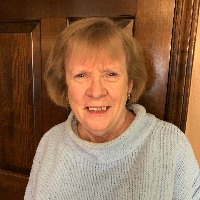
Stress, Anxiety, Trauma and abuse, Grief and 14 more

Stress, Anxiety, Trauma and abuse, Self esteem and 2 more

Stress, Anxiety, Relationship, Anger and 12 more

Stress, Anxiety, Relationship, Family and 11 more
Is this your profile?
Ask us to correct details or take the page down.