Dr.
01About Chenda
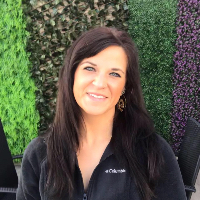
Dr. Chenda Moore is a Licensed Professional Counselor (LPC) based in Texas who helps people navigate stress, anxiety, grief, relationship strain, and life changes. She speaks English and Central Khmer and brings a practical, steady approach to counseling.
Her background in education and long experience with people shape how she listens and responds. She holds a master’s degree in counseling and a doctorate in educational leadership. Before becoming an LPC she spent many years in schools as a teacher, school counselor, and administrator.
Background and approach
That work involved supporting individuals and families through challenges and transitions. Dr. Moore also draws on a powerful personal history.
As a survivor of genocide who grew up in an Asian family, she understands how loss, displacement, and cultural pressures affect emotional life. She uses that perspective to be attentive to each person’s story and values. In sessions she focuses on the person in front of her.
Conversations aim to name practical problems, build coping skills, and improve communication with others. She uses problem-solving tools and collaborative goal setting so progress feels concrete and relevant. People often come for help with parenting stress, career shifts, addictions, trauma, or mood concerns like depression and bipolar disorder.
She also supports those facing attachment and family issues such as adoption, blended family dynamics, and caregiver stress. Her style is straightforward and compassionate. She helps clients set realistic steps and track changes over time.
Dr. Moore wants to help people move toward a more authentic, satisfying life.
02Credentials
- LPC (Texas)
- License 78352 · expires March 2027
- NPI
- 1194494450 · national provider identifier
Both are public records. A state board register will confirm a license and its standing, and the national registry will confirm an NPI. This directory copies what the counselor lists and checks neither.
03Focus areas and approaches
Everything Chenda lists on their public professional profile, in their own terms.
- Stress, Anxiety
- Relationship issues
- Family conflicts
- Grief
- Coping with life changes
- Addictions
- Trauma and abuse
- Intimacy-related issues
- Eating disorders
- Sleeping disorders
- Parenting issues
- Anger management
- Self esteem
- Career difficulties
- Bipolar disorder
- Depression
- Coaching
- Compassion fatigue
- ADHD
- Abandonment
- Adoption and foster care
- Aging and geriatric issues
- Attachment issues
- Blended family issues
- Body image
- Caregiver issues and stress
- Communication problems
- Coping with natural or human-caused disaster
- Divorce and separation
- Eating and food-related issues
- Emptiness
- Family problems
- First responder issues
- Forgiveness
- Guilt and shame
- Hoarding
- Immigration issues
- Isolation / loneliness
- Life purpose
- Midlife crisis
- Money and financial issues
- Mood disorders
- Multicultural concerns
- Post-traumatic stress
- Prejudice and discrimination
- Seasonal Affective Disorder (SAD)
- Self-harm
- Self-love
- Social anxiety and phobia
- Women's issues
- Workplace issues
- Young adult issues
Methods Chenda names
These are the methods Chenda names on their own professional profile. Naming an approach is not evidence of training or certification in it, and this directory checks no training records. Ask directly if it matters to you.
We will earn a commission if you sign up through our link, at no cost to you. It does not change what you pay or the order of the listings.
04Online support
How her approaches work online
Client-Centered Therapy focuses on listening closely and treating each person as the expert on their life. The therapist offers empathy and support while helping clients clarify what matters most and decide next steps. Cognitive Behavioral Therapy, or CBT, helps people spot unhelpful thoughts and test them in everyday life. It is useful for anxiety, depression, and stress because it teaches concrete skills to change reactions and behaviors. Solution-Focused Therapy zeroes in on small, practical changes and short-term goals to create forward momentum in life.Finding the right approach is part of the work together. She will talk with clients about their goals, try methods that fit those goals, and adjust based on what helps. That collaborative process means plans change as progress is made and new needs appear.
Online sessions are offered by video call, phone, live chat, or text-based messaging. Video sessions allow face-to-face conversation when a fuller exchange is helpful. Phone sessions can work well when bandwidth is limited or a quieter voice-only check-in is needed. Live chat and text messaging let people fit short check-ins, progress notes, or brief coping reminders into a busy day. These options make it easier to keep therapy consistent around work, family, or other obligations.
05Questions people ask
What kinds of problems does this counselor help with?
She works with a wide range of concerns including stress, anxiety, depression, grief, relationship and family problems, trauma and abuse, addictions, eating and sleeping issues, parenting strain, and career worries.
What is her general therapy style?
She uses a person-focused, practical style. Sessions emphasize problem solving, clear goals, and skill-building to help with day-to-day challenges.
How much experience does she have?
She has seven years of counseling experience and nearly three decades working in education as a teacher, school counselor, and administrator.
What are her credentials and where is she located?
She is a Licensed Professional Counselor, LPC, licensed in Texas and practices with that credential within the state.
Which languages are supported in sessions?
Sessions are offered in English and Central Khmer.
Can people from outside the US work with her?
International clients are not currently accepted; she works with people located in Texas.
What session formats does she offer?
She offers multiple online formats including video calls, phone sessions, live chat, and text-based messaging to fit different needs and schedules.
How do fees and getting started work?
Cost varies by location and therapist availability and uses a subscription model that can be canceled at any time. To begin, select the Start Therapy button, complete a short matching questionnaire, and schedule a session based on availability.
More counselors in Texas
See all
Relationship, Family, Anger and 13 more

Stress, Anxiety, Self esteem, Career and 2 more

Stress, Anxiety, Depression, Coping with life changes
Stress, Anxiety, LGBT, Relationship and 15 more
Is this your profile?
Ask us to correct details or take the page down.