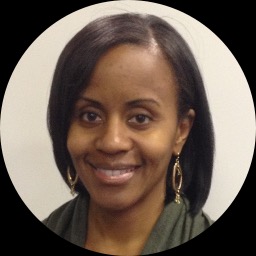
Charsie Duvall is a licensed professional counselor with seven years of experience helping people facing stress, anxiety, depression, and trauma.
01About Charsie
Charsie Duvall is a licensed professional counselor with seven years of experience helping people facing stress, anxiety, depression, and trauma. She writes and talks in a straightforward way so parents can understand next steps. Her style is conversational and interactive, focused on practical tools rather than labels.
Charsie blends several proven approaches to meet each person's needs. She uses cognitive behavioral techniques to spot unhelpful thinking and replace it with clearer choices.
Background and approach
She blends client-centered work to keep sessions person-focused and Dialectical Behavior Therapy skills when people need help managing intense emotions. Her background includes crisis work with youth and their caregivers, and experience supporting survivors of abuse. That work shaped how she responds in urgent moments and how she helps people rebuild routines and safety after hard events.
She also supports people coping with substance concerns, bipolar disorder, ADHD, and the strains of parenting. Sessions are practical and goal-oriented. Clients can expect to practice new skills between meetings, try small behavior changes, and review what worked.
Charsie emphasizes respect, compassion, and steady encouragement during those steps. Charsie is licensed as an LPCC and holds an MS LPC credential. She sees clients in Mississippi and conducts sessions in English.
If someone is ready to start, she asks them to complete a short matching questionnaire and then schedule a time to meet.
02Credentials
- LPC (Mississippi)
- License 2437 · expires June 2027
- LMHC (Florida)
- License MH22028 · expires March 2027
- LPCC (New Mexico)
- License CTB-2024-0478 · expires September 2027
- NPI
- 1275134868 · national provider identifier
Both are public records. A state board register will confirm a license and its standing, and the national registry will confirm an NPI. This directory copies what the counselor lists and checks neither.
03Focus areas and approaches
Everything Charsie lists on their public professional profile, in their own terms.
- Stress, Anxiety
- Family conflicts
- Trauma and abuse
- Anger management
- Depression
- Addictions
- LGBT
- Parenting issues
- Self esteem
- Bipolar disorder
- Coping with life changes
- ADHD
- Coping with natural or human-caused disaster
- First responder issues
- Jealousy
- Veteran and Armed Forces Issues
- Obsessions, compulsions, and OCD
- Paranoia
- Personality disorders
- Postpartum depression
Methods Charsie names
- Acceptance and Commitment Therapy (ACT)
- Client-Centered Therapy
- Cognitive Behavioral Therapy (CBT)
- Dialectical Behavior Therapy (DBT)
- Mindfulness Therapy
- Motivational Interviewing
- Trauma-Focused Therapy
- Internal Family Systems
These are the methods Charsie names on their own professional profile. Naming an approach is not evidence of training or certification in it, and this directory checks no training records. Ask directly if it matters to you.
We will earn a commission if you sign up through our link, at no cost to you. It does not change what you pay or the order of the listings.
04Online support
Therapeutic approaches and online care
Acceptance and Commitment Therapy, or ACT, focuses on clarifying what matters to a person and taking small actions that align with those values. It helps when someone feels stuck or overwhelmed by emotions and wants a clearer direction. Cognitive Behavioral Therapy, or CBT, looks at how thoughts, feelings, and behaviors interact and teaches practical steps to change unhelpful patterns. It is useful for anxiety, depression, and many everyday stressors. Dialectical Behavior Therapy, or DBT, teaches emotion regulation and distress tolerance skills for people who experience intense emotions or frequent conflict.Finding the right approach is part of the work. The therapist collaborates with each person to decide which methods fit their goals, needs, and preferences. Sessions can mix elements from different approaches so the plan matches what actually helps the individual.
Online therapy offers several practical benefits. Video calls let people maintain eye contact and use visual tools during skill practice. Phone sessions require less bandwidth and can be easier to fit into a busy day. Live chat and text-based messaging support brief check-ins, quick coping reminders, and more flexible communication between sessions. These options make it simpler to keep therapy consistent around work, caregiving, or travel.
05Questions people ask
What kinds of concerns does she help with?
She works with stress, anxiety, depression, trauma and abuse, anger, addictions, and self-esteem issues, among other concerns listed in her profile.
How would you describe her therapy style?
Her style is interactive and conversational, focusing on practical skills and individualized plans rather than labels.
What experience does she bring to sessions?
She has seven years of experience, including crisis work with youth and supporting survivors of abuse, which informs her approach to urgent and ongoing concerns.
What are her credentials and where is she based?
She holds LPCC and LPC credentials and practices in Mississippi as documented in her profile.
Can sessions be conducted in other languages or internationally?
Sessions are offered in English only and international clients are not currently accepted.
What session formats are available?
She offers video calls, phone sessions, live chat, and text-based messaging to fit different needs and schedules.
How are costs handled for sessions?
Cost varies with location and therapist availability; sessions use a subscription that can be canceled at any time.
How do I begin working with her?
Start by selecting the Start Therapy button, complete a short matching questionnaire, and then schedule a session based on therapist availability.
More counselors in Mississippi
See all
Self esteem, Career, Coping with life changes and 6 more

Relationship, Anger, Self esteem and 5 more

Stress, Anxiety, Relationship, Family and 17 more
Stress, Anxiety, Family, Parenting and 11 more
Is this your profile?
Ask us to correct details or take the page down.