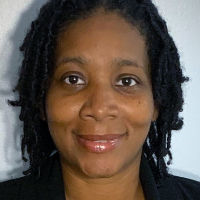
Tomeka Bright is a Licensed Professional Counselor who helps people manage stress, anxiety, depression, self-esteem struggles, trauma and abuse, and family concerns.
01About Tomeka
Tomeka Bright is a Licensed Professional Counselor who helps people manage stress, anxiety, depression, self-esteem struggles, trauma and abuse, and family concerns. She brings a calm, respectful presence to sessions and focuses on practical ways to reduce distress and improve day-to-day functioning. With 26 years of experience, Tomeka blends well-known therapeutic ideas to match each person's needs.
She listens for patterns that keep problems repeating and offers tools to change them.
Background and approach
Sessions are interactive and aimed at clear, achievable steps rather than labels. Her background includes work across several states and a long clinical history supporting people through grief, relationship strain, chronic illness, caregiving stress, and adoption or foster care issues. That breadth gives her a wide view of how life events affect mood and behavior.
In the room she uses plain language and a warm tone. Conversations focus on what feels hard now and what small changes could make life easier. Plans are adjusted as progress is made and as new concerns come up.
Tomeka adapts methods to suit different needs, including work with attachment struggles, body image, and complex co-morbid conditions. She aims to help people feel understood and to leave each session with one or two practical tools they can try between meetings.
02Credentials
- LPC (Texas)
- License 101031 · expires April 2028
- LMHC (Florida)
- License MH26866 · expires March 2027
- LMHC (Washington)
- License MHC.LH.70074642 · expires April 2027
- NPI
- 1851101257 · national provider identifier
Both are public records. A state board register will confirm a license and its standing, and the national registry will confirm an NPI. This directory copies what the counselor lists and checks neither.
03Focus areas and approaches
Everything Tomeka lists on their public professional profile, in their own terms.
- Stress, Anxiety
- Family conflicts
- Trauma and abuse
- Self esteem
- Depression
- Abandonment
- Adoption and foster care
- Aging and geriatric issues
- Antisocial personality
- Attachment issues
- Autism and Asperger Syndrome
- Avoidant personality
- BDSM, kink, and alternative sex culture
- Blended family issues
- Body image
- Cancer
- Caregiver issues and stress
- Chronic pain, illness, and disability
- Co-morbidity
- Codependency
- Commitment issues
- Communication problems
- Control issues
- Coping with natural or human-caused disaster
- Dependent personality
- Disruptive Mood Dysregulation Disorder (DMDD)
- Dissociation
- Divorce and separation
- Domestic violence
- Drug and alcohol addiction
- Eating and food-related issues
- Emptiness
- Family of origin issues
- Family problems
- Fatherhood issues
- Fertility issues
- First responder issues
- Forgiveness
- Gender dysphoria
- Guilt and shame
- HIV / AIDS
- Hoarding
- Hospice and end-of-life counseling
- Impulsivity
- Infidelity
- Isolation / loneliness
- Jealousy
- Life purpose
- Men's issues
- Midlife crisis
- Veteran and Armed Forces Issues
- Money and financial issues
- Mood disorders
- Multicultural concerns
- Narcissism
- Obsessions, compulsions, and OCD
- Panic disorder and panic attacks
- Paranoia
- Personality disorders
- Phobias
- Polyamory / non-monogamous relationships
- Postpartum depression
- Post-traumatic stress
- Pregnancy and childbirth
- Prejudice and discrimination
- Process addiction (porn, exercise, gambling)
- Seasonal Affective Disorder (SAD)
- Self-harm
- Self-love
- Sex addiction
- Sexual assault and abuse
- Sexual dysfunction
- Sexuality
- Smoking / vaping cessation
- Social anxiety and phobia
- Somatization
- Traumatic brain injury
- Trichotillomania
- Visually impaired
- Women's issues
- Workplace issues
- Young adult issues
We will earn a commission if you sign up through our link, at no cost to you. It does not change what you pay or the order of the listings.
04Online support
Practical therapeutic approaches for online care
Many clients benefit from cognitive-behavioral ideas that focus on identifying unhelpful thoughts and testing them with small behavior changes. This approach helps reduce anxiety and depressive thinking by breaking problems into concrete steps.Humanistic techniques are also part of the work, emphasizing empathy, respect, and a nonjudgmental space to talk. That style helps people increase self-awareness, strengthen self-esteem, and feel heard while exploring difficult topics.
Finding the right approach is part of therapy. The therapist will collaborate with the client to choose methods based on the person’s goals, needs, and what feels most comfortable. Plans are adjusted over time as progress is tracked and new priorities emerge.
Online formats offer flexibility for busy schedules. Video calls allow face-to-face conversation when interaction and visual cues matter. Phone sessions can fit a shorter break or when less bandwidth is available. Live chat and text messaging provide quick check-ins and ongoing support between sessions. These options make it easier to keep therapy consistent around work, caregiving, or health demands.
05Questions people ask
What concerns does Tomeka address?
She supports people coping with stress, anxiety, depression, trauma and abuse, self-esteem issues, and family-related concerns. Additional focuses include adoption and foster care issues, caregiving stress, chronic illness, body image, and related challenges.
What is her therapy style like?
The approach is warm and interactive with plain language and respect. Sessions emphasize practical steps and adaptable plans rather than labels.
How long has she practiced?
Tomeka has 26 years of clinical experience working across a variety of settings and presenting concerns.
What credentials and region are listed?
She holds LPC and Licensed Mental Health Counselor credentials, with licensure tied to TX LPC and WA LMHC, and she practices out of Florida.
Which languages are used in sessions?
Sessions are offered in English.
What session formats are available?
Therapy is offered via video calls, phone sessions, live chat, and text-based messaging to fit different preferences.
How does pricing work?
Cost varies with location and therapist availability; sessions are provided through a subscription model that can be canceled at any time.
How do I begin working with her?
Start by selecting the Start Therapy button, complete a short matching questionnaire, and schedule sessions according to therapist availability.
More counselors in Florida
See all
Stress, Anxiety, Trauma and abuse, Career and 3 more

Addictions, Relationship, Career and 2 more

Stress, Anxiety, Relationship, Trauma and abuse and 15 more
Stress, Anxiety, Anger, Depression and 14 more
Is this your profile?
Ask us to correct details or take the page down.