Sean Gardner is a licensed counselor who brings ten years of clinical experience to his work.
01About Sean
Sean Gardner is a licensed counselor who brings ten years of clinical experience to his work. He holds a Licensed Professional Counselor credential in Arizona and a Licensed Mental Health Counselor credential in Hawaii. Sean aims to help people who feel stuck, overwhelmed, or disconnected find clearer ways forward.
He focuses on common struggles like anxiety, depression, relationship stress, and coping with life changes. He also helps with addictions, trauma and abuse, grief, anger, and concerns around intimacy and self-esteem.
Background and approach
Sean works with issues such as ADHD, bipolar challenges, compassion fatigue, and sleep or eating difficulties. Sean’s background includes service as an active duty member of the US Navy and work as a firefighter-paramedic. He earned a Bachelor of Arts in Psychology from Arizona State University and a Master’s degree in Counseling Psychology from Chaminade University of Honolulu.
His varied roles have included inpatient work with adolescents and outreach with veterans experiencing homelessness. In sessions he uses practical, evidence-informed approaches like cognitive behavioral techniques, mindfulness, and acceptance strategies. He also draws on client-centered and dialectical methods to help people build coping skills and clearer communication.
Relationship-focused tools such as the Gottman Method inform his work on conflict and connection. Sean offers online therapy options and tailors the format to each person’s needs. He aims to create straightforward plans and steady support so people can make changes that matter to their daily lives.
02Credentials
- LMHC (Hawaii)
- License 613 · expires June 2026
- LPC (Arizona)
- License 19450 · expires November 2026
- NPI
- 1962951004 · national provider identifier
Both are public records. A state board register will confirm a license and its standing, and the national registry will confirm an NPI. This directory copies what the counselor lists and checks neither.
03Focus areas and approaches
Everything Sean lists on their public professional profile, in their own terms.
- Stress, Anxiety
- Relationship issues
- Anger management
- Depression
- Coping with life changes
- Addictions
- LGBT
- Family conflicts
- Trauma and abuse
- Grief
- Intimacy-related issues
- Eating disorders
- Sleeping disorders
- Parenting issues
- Self esteem
- Career difficulties
- Bipolar disorder
- Compassion fatigue
- ADHD
- Autism and Asperger Syndrome
- Body image
- Cancer
- Chronic pain, illness, and disability
- Codependency
- Communication problems
- Control issues
- Divorce and separation
- Emptiness
- Family problems
- First responder issues
- Forgiveness
- Guilt and shame
- Infidelity
- Isolation / loneliness
- Jealousy
- Life purpose
- Men's issues
- Midlife crisis
- Veteran and Armed Forces Issues
- Mood disorders
- Multicultural concerns
- Narcissism
- Obsessions, compulsions, and OCD
- Panic disorder and panic attacks
- Phobias
- Post-traumatic stress
- Prejudice and discrimination
- Seasonal Affective Disorder (SAD)
- Self-love
- Sexual dysfunction
- Sexuality
- Social anxiety and phobia
- Workplace issues
- Young adult issues
Methods Sean names
- Acceptance and Commitment Therapy (ACT)
- Client-Centered Therapy
- Cognitive Behavioral Therapy (CBT)
- Dialectical Behavior Therapy (DBT)
- Gottman Method
- Mindfulness Therapy
- Motivational Interviewing
- Solution-Focused Therapy
- Somatic Therapy
- Trauma-Focused Therapy
These are the methods Sean names on their own professional profile. Naming an approach is not evidence of training or certification in it, and this directory checks no training records. Ask directly if it matters to you.
We will earn a commission if you sign up through our link, at no cost to you. It does not change what you pay or the order of the listings.
04Online support
Approach and convenience for online therapy
Acceptance and Commitment Therapy helps people notice painful thoughts without getting stuck in them and choose actions that match their values, which can be useful for anxiety, depression, and life transitions. Cognitive Behavioral Therapy focuses on the links between thoughts, feelings, and behavior and teaches practical strategies to reduce symptoms and change unhelpful patterns. Client-Centered Therapy emphasizes empathic listening and creating space for people to find their own answers, which supports healing from trauma, grief, and identity-related concerns.Finding the right approach is part of the work. The therapist will collaborate with each person to see which methods fit their goals, needs, and day-to-day life. Sessions may blend different tools so people get techniques that match their situation rather than a fixed package.
Online therapy options include video calls, phone sessions, live chat, and text-based messaging. Video works well for face-to-face conversations and skills practice. Phone sessions can be easier when bandwidth is limited or for a shorter check-in. Live chat and text messaging let people share thoughts between sessions or use therapy in smaller, more frequent moments. These choices add flexibility and make it easier to keep therapy part of a busy life.
05Questions people ask
What kinds of concerns does this therapist help with?
He helps people with stress, anxiety, depression, relationship conflict, trauma, grief, addictions, and many daily life struggles such as sleep, eating, self-esteem, and career issues.
What is the therapy style like in sessions?
Sessions are practical and collaborative, using tools from cognitive behavioral therapy, mindfulness, acceptance-based work, and client-centered listening to build skills and clarity.
What experience does the therapist have?
He has ten years of experience, with a background that includes military service, work as a firefighter-paramedic, inpatient adolescent therapy, and outreach with veterans.
What credentials and location apply to this therapist?
He holds an LPC in Arizona and an LMHC in Hawaii, and his practice is based in Arizona for licensing purposes.
Are sessions available in languages other than English?
Sessions are offered in English.
Which online session formats are offered?
Therapy is available by video call, phone sessions, live chat, and text-based messaging to fit different scheduling needs and preferences.
How does billing and cost work?
Costs vary by location and clinician availability; sessions use a subscription model that can be canceled at any time.
How do I begin working with this therapist?
Start by selecting the Start Therapy button, complete a short matching questionnaire, and schedule sessions according to the therapist's availability.
More counselors in Arizona
See all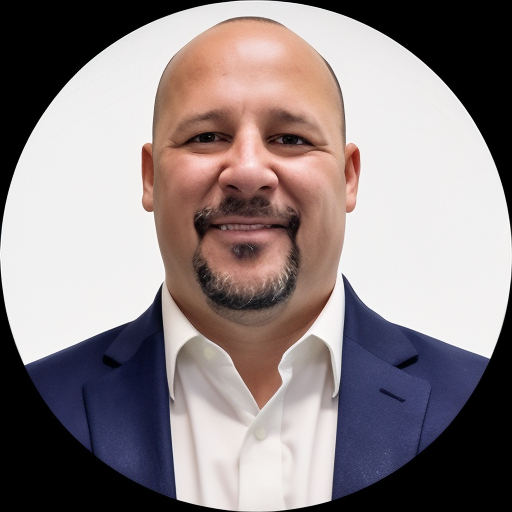
Addictions, Relationship, Trauma and abuse and 2 more

Stress, Anxiety, Relationship, Parenting and 13 more

Stress, Anxiety, Grief, Depression and 7 more

Stress, Anxiety, Trauma and abuse, Self esteem and 12 more
Is this your profile?
Ask us to correct details or take the page down.