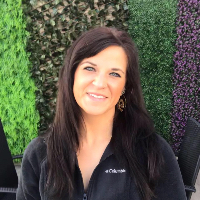
Sarah Ritchea O'Connor is a Licensed Professional Counselor (LPC) who helps people manage stress, anxiety, grief, trauma, and depression.
01About Sarah
Sarah Ritchea O'Connor is a Licensed Professional Counselor (LPC) who helps people manage stress, anxiety, grief, trauma, and depression. She also supports concerns such as addictions, body image, relationship and intimacy issues, and challenges tied to LGBTQ identities. Sessions focus on practical steps and honest conversation that fit each person's life.
She brings ten years of counseling experience and a calm, open approach. Sarah adapts how she listens and responds based on what each person needs.
Background and approach
She aims to create space where people can talk through hard things and try new ways of coping. Her work commonly uses tools from cognitive behavioral therapy to spot and shift unhelpful thinking. She pairs that with client-centered listening to follow the person's priorities.
Attachment-based ideas help when relationship patterns cause ongoing stress. Sarah also draws on skills from dialectical behavior therapy and existential therapy when concerns call for emotion regulation or meaning-focused conversation. She explains techniques simply and practices them together with clients during sessions so people can use them between meetings.
Sarah has experience supporting people with eating concerns, mood disorders such as bipolar disorder, and clients facing grief or end-of-life matters. She has spent additional recent clinical time working with people who identify as LGBTQ. She keeps plans practical and tailored to each person's goals.
Therapy is offered through video calls, phone sessions, live chat, and text-based messaging. Sarah is based in Texas and works in English as she helps clients move toward clearer choices and more manageable days.
02Credentials
- LPC (Texas)
- License 70186 · expires April 2028
- LMHC (Washington)
- License LH 61531518 · expires April 2027
- NPI
- 1740724939 · national provider identifier
Both are public records. A state board register will confirm a license and its standing, and the national registry will confirm an NPI. This directory copies what the counselor lists and checks neither.
03Focus areas and approaches
Everything Sarah lists on their public professional profile, in their own terms.
- Stress, Anxiety
- Family conflicts
- Trauma and abuse
- Grief
- Depression
- Addictions
- LGBT
- Relationship issues
- Intimacy-related issues
- Eating disorders
- Sleeping disorders
- Parenting issues
- Anger management
- Self esteem
- Career difficulties
- Bipolar disorder
- Coping with life changes
- Coaching
- Compassion fatigue
- ADHD
- Body image
- Caregiver issues and stress
- Communication problems
- First responder issues
- Forgiveness
- Gender dysphoria
- Guilt and shame
- HIV / AIDS
- Hoarding
- Hospice and end-of-life counseling
- Intellectual disability
- Isolation / loneliness
- Jealousy
- Life purpose
- Veteran and Armed Forces Issues
- Multicultural concerns
- Obsessions, compulsions, and OCD
- Polyamory / non-monogamous relationships
- Post-traumatic stress
- Self-harm
- Self-love
- Sexual assault and abuse
- Social anxiety and phobia
Methods Sarah names
- Attachment-Based Therapy
- Client-Centered Therapy
- Cognitive Behavioral Therapy (CBT)
- Dialectical Behavior Therapy (DBT)
- Existential Therapy
- Mindfulness Therapy
- Motivational Interviewing
These are the methods Sarah names on their own professional profile. Naming an approach is not evidence of training or certification in it, and this directory checks no training records. Ask directly if it matters to you.
We will earn a commission if you sign up through our link, at no cost to you. It does not change what you pay or the order of the listings.
04Online support
Approaches that shape online sessions
Attachment-based work focuses on how early relationship patterns affect current connections and reactions. It helps people notice recurring interaction styles and try new, healthier ways of relating in relationships and everyday life. Cognitive behavioral therapy, or CBT, looks at the link between thoughts, feelings, and behavior and teaches concrete strategies to change unhelpful thinking and reduce symptoms like anxiety and depression. Client-centered therapy centers the conversation on the person's experience. The therapist follows the client's lead, offers empathic reflection, and helps people find their own answers.Finding the right approach is part of the work. The therapist will collaborate with each person to choose which methods make the most sense for their goals, concerns, and preferences. That might mean using CBT tools one week and attachment-focused conversation the next, or combining elements so sessions stay practical and relevant.
Online formats include video calls, phone sessions, live chat, and text-based messaging. Video calls let people meet face to face when schedules allow. Phone sessions can be easier when bandwidth is limited or a shorter check-in is needed. Live chat and text messaging offer quick ways to share updates or get support between meetings. These options make it simpler to fit therapy into a busy life while working on behavior, emotion regulation, and life decisions together.
05Questions people ask
What concerns does Sarah commonly address?
She supports a wide range of issues including stress, anxiety, trauma and abuse, grief, depression, addictions, relationship and intimacy-related issues, eating and sleeping concerns, and caregiver stress.
How would you describe Sarah's therapeutic style?
Sarah blends direct skill teaching with attentive listening. She focuses on practical techniques and collaborative planning so clients can try new strategies between sessions.
What is her clinical background?
She has ten years of professional counseling experience and has worked with people facing mood disorders, eating concerns, grief, and trauma, as well as clients from LGBTQ communities.
Where is Sarah licensed and located?
She is licensed in Texas and Washington State as indicated by TX LPC and WA LMHC LH, and she lists Texas as her primary location.
Which languages are supported for sessions?
Sessions are offered in English.
What session formats are available?
Sessions can be conducted by video call, phone, live chat, or text-based messaging to suit different schedules and preferences.
How does pricing work for therapy with Sarah?
Cost varies by location and therapist availability; sessions use a subscription model that can be canceled at any time.
How do I begin working with her?
Click the Start Therapy button, complete a short matching questionnaire, and then schedule sessions according to the therapist's availability.
More counselors in Texas
See all
Relationship, Family, Anger and 13 more

Stress, Anxiety, Self esteem, Career and 2 more

Stress, Anxiety, Depression, Coping with life changes
Stress, Anxiety, LGBT, Relationship and 15 more
Is this your profile?
Ask us to correct details or take the page down.