Dr.
01About Sandra
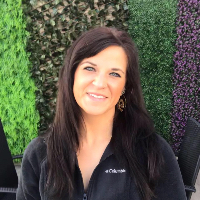
Dr. Sandra Webster-Brown helps people facing stress, anxiety, addiction, relationship struggles, grief, and trauma. She also supports concerns around intimacy, anger, self-esteem, career change, depression, and coping with life transitions.
Sandra is a Licensed Professional Counselor, licensed in Texas and Colorado, who works with clients to find steady, practical ways forward. Her style is warm and interactive. She treats each person as the expert on their own life and asks questions to understand what matters most.
Background and approach
Sessions focus on identifying barriers and building small, doable steps toward clearer goals and better daily functioning. Sandra draws on a mix of approaches to fit the person and the problem. She uses client-centered techniques to prioritize the client's perspective, cognitive behavioral methods to adjust unhelpful thoughts and behaviors, and mindfulness practices to ground attention in the present.
Motivational interviewing and existential ideas help with commitment, meaning, and change when those issues come up. Her background includes seven years of clinical experience and a PhD from St. Mary’s University in San Antonio, Texas.
Sandra has provided care for people dealing with addiction, depression, trauma, anxiety, and LGBTQ concerns, among others, across age ranges during her clinical training. Sessions are offered in English and can be scheduled in formats that fit different needs.
Sandra encourages people to take the first step when they are ready and will check in with them regularly about how the work is going.
02Credentials
- LPC (Texas)
- License 81682 · expires November 2026
- LPC (Colorado)
- License LPC.0015163 · expires August 2027
- NPI
- 1831722230 · national provider identifier
Both are public records. A state board register will confirm a license and its standing, and the national registry will confirm an NPI. This directory copies what the counselor lists and checks neither.
03Focus areas and approaches
Everything Sandra lists on their public professional profile, in their own terms.
- Stress, Anxiety
- Addictions
- Relationship issues
- Trauma and abuse
- Grief
- LGBT
- Intimacy-related issues
- Anger management
- Self esteem
- Career difficulties
- Depression
- Coping with life changes
- Codependency
- Commitment issues
- Communication problems
- Control issues
- Infidelity
- Personality disorders
- Prejudice and discrimination
- Process addiction (porn, exercise, gambling)
- Sex addiction
Methods Sandra names
- Client-Centered Therapy
- Cognitive Behavioral Therapy (CBT)
- Existential Therapy
- Mindfulness Therapy
- Motivational Interviewing
- Narrative Therapy
- Solution-Focused Therapy
- Trauma-Focused Therapy
These are the methods Sandra names on their own professional profile. Naming an approach is not evidence of training or certification in it, and this directory checks no training records. Ask directly if it matters to you.
We will earn a commission if you sign up through our link, at no cost to you. It does not change what you pay or the order of the listings.
04Online support
How these approaches translate to online therapy
Client-Centered Therapy focuses on listening and following the client’s lead. In practice this means conversations that prioritize what matters to the client and let them set the pace for change. It helps with relationship concerns, self-esteem, and identity work.Cognitive Behavioral Therapy (CBT) looks at the links between thoughts, feelings, and actions and uses practical exercises to change unhelpful patterns. CBT is useful for anxiety, depression, stress, and many addiction-related behaviors because it offers concrete skills to try between sessions.
Mindfulness Therapy helps people notice sensations, thoughts, and urges without immediately reacting. It can reduce reactivity around anger, cravings, and anxiety and support steadier attention during stressful moments.
Finding the right mix of approaches is part of the work together. The therapist will ask about goals, preferences, and what has or hasn’t helped in the past, then recommend techniques accordingly. That collaboration continues over time so methods can be adjusted where needed.
Online sessions are offered by video calls, phone sessions, live chat, or text-based messaging. Video calls are good when visual connection helps the conversation. Phone sessions can be easier when bandwidth is limited or a shorter check-in fits a break at work. Live chat and text messaging allow for brief check-ins or step-by-step support between longer sessions. These options make therapy more flexible and easier to fit into a busy life.
05Questions people ask
What concerns does she help with?
She helps people with stress, anxiety, depression, addictions, trauma and grief, relationship and intimacy issues, anger, self-esteem, career questions, and coping with life changes. Additional focuses include codependency, commitment and communication problems, control issues, infidelity, personality concerns, prejudice and discrimination, and process or sex addiction.
What is her therapeutic style like?
The approach is empathetic and interactive with the client seen as the expert on their experience. Sessions emphasize listening, collaborative goal-setting, and practical steps to reduce distress and improve daily functioning.
How much clinical experience does she have?
She has seven years of clinical experience and completed a PhD at St. Mary’s University in San Antonio, Texas. That training included work focused on trauma across different age groups.
Where is she licensed and based?
She holds Licensed Professional Counselor credentials in Texas and Colorado and practices from Texas for this profile.
Which languages are supported and are international clients accepted?
Sessions are offered in English, and she accepts international clients.
What session formats are available?
Sessions can be done by video calls, phone sessions, live chat, or text-based messaging to suit different schedules and needs.
How does cost and billing work?
Cost varies with location and therapist availability; sessions use a subscription model that can be canceled at any time.
What do I do to begin working together?
Click the Start Therapy button, complete a short matching questionnaire, and then schedule sessions according to therapist availability.
More counselors in Texas
See all
Relationship, Family, Anger and 13 more

Stress, Anxiety, Self esteem, Career and 2 more

Stress, Anxiety, Depression, Coping with life changes
Stress, Anxiety, LGBT, Relationship and 15 more
Is this your profile?
Ask us to correct details or take the page down.