Sally Bohanon-Davis helps people who struggle with stress, anxiety, trauma and abuse, depression, and addictions.
01About Sally
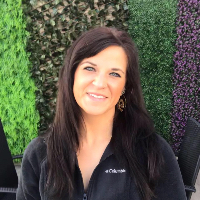
Sally Bohanon-Davis helps people who struggle with stress, anxiety, trauma and abuse, depression, and addictions. She speaks plainly and aims to make the first step feel less overwhelming. Sally is a Licensed Professional Counselor and holds LPC and LCPC credentials.
She practices in Texas and offers sessions in English. Sally shapes work around each person's needs. She listens first and asks clear questions to understand what matters most.
Sessions mix short-term problem solving with deeper conversation, depending on what someone wants to focus on.
Background and approach
Her approach draws on several methods. Cognitive Behavioral Therapy is used to spot unhelpful thoughts and try different behaviors. Client-Centered Therapy creates space for people to lead the pace and topics of sessions.
Mindfulness techniques are offered to help manage stress and reactivity. She has six years of clinical experience and uses that background to offer practical tools and compassionate support. Sally pays attention to patterns that come from past relationships and life events, and she helps people develop new ways of coping.
Sally also works with concerns often connected to trauma, such as post-traumatic stress and mood disorders. She will discuss treatment goals and adapt plans over time. The focus is on progress people can notice between sessions.
Therapy is provided through video calls, phone sessions, live chat, or text-based messaging. People sign up, complete a short questionnaire, and schedule sessions according to availability.
02Credentials
- LPC (Texas)
- License 85875 · expires July 2027
- LCPC (Idaho)
- License 8331490 · expires July 2026
- NPI
- 1104415058 · national provider identifier
Both are public records. A state board register will confirm a license and its standing, and the national registry will confirm an NPI. This directory copies what the counselor lists and checks neither.
03Focus areas and approaches
Everything Sally lists on their public professional profile, in their own terms.
- Stress, Anxiety
- Trauma and abuse
- Depression
- Addictions
- Abandonment
- Antisocial personality
- Codependency
- Control issues
- First responder issues
- Life purpose
- Veteran and Armed Forces Issues
- Mood disorders
- Personality disorders
- Post-traumatic stress
Methods Sally names
- Client-Centered Therapy
- Cognitive Behavioral Therapy (CBT)
- Mindfulness Therapy
- Psychodynamic Therapy
- Solution-Focused Therapy
- Trauma-Focused Therapy
These are the methods Sally names on their own professional profile. Naming an approach is not evidence of training or certification in it, and this directory checks no training records. Ask directly if it matters to you.
We will earn a commission if you sign up through our link, at no cost to you. It does not change what you pay or the order of the listings.
04Online support
How these approaches work online
Client-Centered Therapy supports people by putting their concerns and goals first. The therapist follows the person’s lead, offers reflective listening, and helps create a plan that fits each session. This approach helps when someone needs a steady, empathetic space to talk through difficult feelings.Cognitive Behavioral Therapy, or CBT, focuses on identifying thoughts and behaviors that get in the way. Online CBT breaks problems into small steps and offers exercises to practice between sessions, which can help with anxiety, depression, and stress-related patterns.
Finding the right approach is part of the work. The therapist will discuss options and tailor methods based on a client's needs, goals, and preferences. That decision is collaborative and can change over time as progress is made.
Online therapy formats offer practical benefits. Video calls let people work face to face when a longer conversation is needed. Phone sessions can be easier when bandwidth or camera use is an issue. Live chat and text-based messaging suit shorter check-ins or when someone prefers writing to speaking. These options make it simpler to fit therapy into a busy life and keep contact between scheduled sessions.
05Questions people ask
What concerns does Sally commonly address?
She works with stress, anxiety, trauma and abuse, depression, and addictions, plus related issues such as abandonment and mood disorders.
What is her therapeutic style like?
Her style is warm and straightforward. She listens first, then blends practical strategies with deeper conversation to meet each person's needs.
What is her clinical background?
Sally has six years of professional experience working with the listed concerns and applies several therapy approaches in her practice.
What credentials and location are listed?
She holds LPC and LCPC credentials and practices in Texas, with licensing details recorded as TX LPC and ID LCPC.
Which languages are sessions offered in?
Sessions are offered in English and international clients are not currently accepted.
How are sessions delivered?
Sessions are available by video calls, phone sessions, live chat, or text-based messaging to suit different needs and schedules.
How does cost and billing work?
Cost varies with location and therapist availability; sessions use a subscription model that can be canceled at any time.
What steps are required to begin therapy?
Start by selecting the Start Therapy button, complete a short matching questionnaire, then schedule sessions according to the therapist's availability.
More counselors in Texas
See all
Relationship, Family, Anger and 13 more

Stress, Anxiety, Self esteem, Career and 2 more

Stress, Anxiety, Depression, Coping with life changes
Stress, Anxiety, LGBT, Relationship and 15 more
Is this your profile?
Ask us to correct details or take the page down.