Ryan Lisman is a LPCC practicing in California with five years of professional experience.
01About Ryan
Ryan Lisman is a LPCC practicing in California with five years of professional experience. He offers a supportive, person-centered approach that lets clients lead the pace and focus of sessions. He speaks English and works with people facing a wide range of challenges.
Ryan often helps people who are coping with stress, anxiety, depression, grief, and changes in their lives. He also supports individuals dealing with trauma and abuse, addiction-related concerns, issues around intimacy and relationships, and LGBT-related concerns.
Background and approach
He brings attention to self-esteem, body image, and communication struggles as well. His background includes work as a psychotherapist and a drama therapist in a hospital mental health unit. That setting shaped his practical skills for handling crises and complex emotional needs.
He draws on embodied and creative methods when they suit a person’s goals. In sessions, Ryan uses a humanistic, client-centered stance. That means he gives people space to set the agenda while offering steady, nonjudgmental feedback.
He adapts techniques to each person’s comfort and preference rather than following a single formula. People who choose him can expect collaboration about style and goals. He welcomes questions about methods and will discuss which techniques might help.
If someone prefers creative or action-oriented work, he can integrate drama therapy elements alongside more typical talk-based strategies.
02Credentials
- LPCC (California)
- License 11464 · expires April 2026
- NPI
- 1912563248 · national provider identifier
Both are public records. A state board register will confirm a license and its standing, and the national registry will confirm an NPI. This directory copies what the counselor lists and checks neither.
03Focus areas and approaches
Everything Ryan lists on their public professional profile, in their own terms.
- Stress, Anxiety
- LGBT
- Trauma and abuse
- Self esteem
- Depression
- Addictions
- Relationship issues
- Family conflicts
- Grief
- Intimacy-related issues
- Eating disorders
- Anger management
- Bipolar disorder
- Coping with life changes
- Compassion fatigue
- Abandonment
- Attachment issues
- Avoidant personality
- BDSM, kink, and alternative sex culture
- Body image
- Co-morbidity
- Codependency
- Communication problems
- Control issues
- Dependent personality
- Dissociation
- Divorce and separation
- Emptiness
- Family problems
- Forgiveness
- Gender dysphoria
- Guilt and shame
- Impulsivity
- Isolation / loneliness
- Jealousy
- Life purpose
- Mood disorders
- Narcissism
- Panic disorder and panic attacks
- Paranoia
- Personality disorders
- Post-traumatic stress
- Process addiction (porn, exercise, gambling)
- Self-harm
- Self-love
- Sex addiction
- Sexual assault and abuse
- Sexuality
- Social anxiety and phobia
- Traumatic brain injury
- Young adult issues
We will earn a commission if you sign up through our link, at no cost to you. It does not change what you pay or the order of the listings.
04Online support
How therapeutic approaches translate to online care
Ryan often uses humanistic, client-centered therapy which focuses on listening, empathy, and letting the client guide the work. This approach helps with stress, anxiety, self-esteem, and life transitions by prioritizing what matters most to the person in front of him.He also brings elements of drama therapy, an embodied and creative method that uses role play, movement, and expressive exercises to help process emotions. Those techniques can be adapted for online work through guided imaginative exercises and structured activities during video or phone sessions.
Finding the right approach is a collaborative process. The therapist will talk with the client about goals, try different techniques, and adjust methods based on what helps most. Clients decide which style feels comfortable and useful as they move forward together.
Online formats include video calls, phone sessions, live chat, and text-based messaging, which offer flexibility for different needs. Video calls let you use visual and expressive techniques; phone sessions work well when bandwidth is limited or you prefer not to be on camera. Live chat and text messaging can fit quick check-ins, brief support between sessions, or moments when writing feels easier than speaking. These options make it simpler to schedule therapy around work, caregiving, or travel.
05Questions people ask
What kinds of concerns does this therapist help with?
He works with stress, anxiety, depression, grief, trauma and abuse, addictions, and many relationship and intimacy-related concerns.
What is the therapy style and approach?
He uses a humanistic, client-centered approach and integrates creative, embodied methods when appropriate to match your needs.
What experience does he bring?
He has five years of professional experience and works as a psychotherapist and drama therapist in a hospital mental health unit.
Where is he licensed and based?
He holds the credential LPCC and practices in California.
Which languages are supported?
Sessions are offered in English.
Can international clients work with him?
International clients are not currently accepted.
What formats are available for sessions?
Sessions can be conducted by video calls, phone sessions, live chat, or text-based messaging.
How does the cost and subscription work?
Cost varies with location and therapist availability; sessions use a subscription that can be canceled at any time.
More counselors in California
See all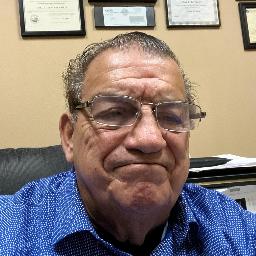
Stress, Anxiety, Relationship, Family and 8 more

Trauma and abuse, Addictions, Grief and 2 more

Stress, Anxiety, Relationship, Family and 10 more

Stress, Anxiety, Relationship, Trauma and abuse and 2 more
Is this your profile?
Ask us to correct details or take the page down.