Dr.
01About Robb
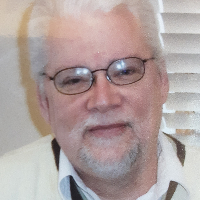
Dr. Robb Kerr, PhD is a licensed professional counselor in Michigan with 34 years of clinical and academic experience. He offers a calm, steady presence and a focus on listening first.
He encourages people to name what feels hard and decide what changes they want to try. He works from client-centered principles, which means sessions follow the client's concerns and pace. He also uses psychodynamic ideas to look at long-standing patterns and trauma-focused methods when past events are getting in the way of daily life.
Background and approach
These approaches are used to address stress, anxiety, depression, grief, trauma and abuse, and issues tied to intimacy and relationships. Dr. Kerr has worked with people dealing with family conflict, LGBT-related concerns, compassion fatigue, and coping with life changes.
He also supports people facing abandonment wounds, attachment struggles, body image problems, caregiving stress, and serious medical issues like cancer. Practical problems such as communication breakdowns, commitment worries, codependency, and control issues are part of his focus as well. Sessions are conversational and aim to make thoughts and feelings easier to talk about.
He helps people notice patterns, try small changes, and build skills for handling stress and relationship strain. The pace and goals come from the person in therapy. Dr.
Kerr received graduate degrees in counseling and clinical psychology and a PhD in counseling psychology. He offers services in English and can work with international clients by video, phone, live chat, or text messaging.
02Credentials
- LPC (Michigan)
- License 6401001620 · expires April 2028
- NPI
- 1720477573 · national provider identifier
Both are public records. A state board register will confirm a license and its standing, and the national registry will confirm an NPI. This directory copies what the counselor lists and checks neither.
03Focus areas and approaches
Everything Robb lists on their public professional profile, in their own terms.
- Stress, Anxiety
- LGBT
- Relationship issues
- Family conflicts
- Depression
- Trauma and abuse
- Grief
- Intimacy-related issues
- Coping with life changes
- Compassion fatigue
- Abandonment
- Aging and geriatric issues
- Attachment issues
- Avoidant personality
- Blended family issues
- Body image
- Cancer
- Caregiver issues and stress
- Codependency
- Commitment issues
- Communication problems
- Control issues
- Coping with natural or human-caused disaster
- Dependent personality
- Dissociation
- Divorce and separation
- Domestic violence
- Emptiness
- Family of origin issues
- Family problems
- Forgiveness
- Gender dysphoria
- Guilt and shame
- HIV / AIDS
- Hoarding
- Hospice and end-of-life counseling
- Impulsivity
- Infidelity
- Isolation / loneliness
- Jealousy
- Life purpose
- Men's issues
- Midlife crisis
- Mood disorders
- Multicultural concerns
- Narcissism
- Obsessions, compulsions, and OCD
- Personality disorders
- Phobias
- Post-traumatic stress
- Prejudice and discrimination
- Process addiction (porn, exercise, gambling)
- Seasonal Affective Disorder (SAD)
- Self-harm
- Self-love
- Sex addiction
- Sexual assault and abuse
- Sexual dysfunction
- Sexuality
- Social anxiety and phobia
- Young adult issues
Methods Robb names
These are the methods Robb names on their own professional profile. Naming an approach is not evidence of training or certification in it, and this directory checks no training records. Ask directly if it matters to you.
We will earn a commission if you sign up through our link, at no cost to you. It does not change what you pay or the order of the listings.
04Online support
Therapeutic approaches and online care options
Dr. Kerr commonly uses client-centered therapy and trauma-focused therapy in his online work. Client-centered therapy emphasizes listening closely to the person's experience and shaping sessions around their immediate concerns, which can help with anxiety, relationship strain, and life transitions. Trauma-focused therapy targets the lingering effects of past hurt so people can reduce distress and function better in daily life.He also brings psychodynamic ideas into sessions to help people notice repeated patterns and how past relationships influence current behavior. Choosing the right combination of approaches is collaborative - the therapist will talk with each person about goals, try approaches that fit, and adjust over time based on what helps most.
Online formats available include video calls, phone sessions, live chat, and text-based messaging. Video is useful for longer sessions and face-to-face interaction, phone works well when bandwidth is limited, live chat can be a quicker check-in, and text messaging supports ongoing reflection between sessions. These options make therapy more flexible for work breaks, travel, or differing comfort with being on camera.
05Questions people ask
What concerns does Dr. Kerr help with?
He helps people with stress, anxiety, depression, grief, trauma and abuse, and intimacy-related or relationship concerns. Additional focus areas include caregiver stress, body image, abandonment, and coping with life changes.
What is his therapeutic style like?
His style is client-centered and calm, with an emphasis on listening and following the person's goals. He also draws on psychodynamic and trauma-focused approaches when helpful.
How much experience does he have?
He has 34 years of combined clinical and academic experience in counseling and psychology.
Where is Dr. Kerr based and licensed?
He is licensed as an LPC in Michigan and practices from that state.
Which languages are supported for sessions?
Sessions are offered in English, and he is able to work with international clients.
What session formats are available?
Sessions can be done by video calls, phone sessions, live chat, or text-based messaging to fit different schedules and needs.
How are fees and subscriptions handled?
Cost varies with location and therapist availability; sessions use a subscription model that can be canceled at any time.
How do I begin working with him?
Start by selecting the Start Therapy button, completing a short matching questionnaire, and scheduling according to the therapist's availability.
More counselors in Michigan
See all
Relationship, Self esteem, Career and 2 more

Stress, Anxiety, LGBT, Trauma and abuse and 1 more
Stress, Anxiety, Addictions, Trauma and abuse and 11 more

Stress, Anxiety, Grief, Depression and 13 more
Is this your profile?
Ask us to correct details or take the page down.