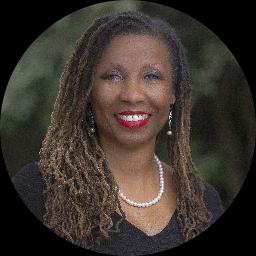
Rachael Hudson is a Licensed Professional Counselor from South Carolina who focuses on practical, down-to-earth therapy.
01About Rachael
Rachael Hudson is a Licensed Professional Counselor from South Carolina who focuses on practical, down-to-earth therapy. She helps people manage stress, anxiety, depression, relationship problems, and parenting strain. She talks with clients about what is happening now and what they want to change next.
Rachael draws on approaches such as cognitive behavioral techniques and client-centered listening to shape each session. She asks about what has already been tried and builds on what works.
Background and approach
That makes sessions feel collaborative and results-focused rather than one-size-fits-all. Sessions include gentle challenge as well as support. Rachael looks at how past patterns affect current choices and emotions.
She brings attention to how relationships, grief, addiction, sleep, and career stress show up in daily life. She also works with people facing trauma, anger, intimacy issues, and caregiver strain. Concerns such as codependency, chronic illness, jealousy, and questions about life purpose are part of her practice.
Rachael checks progress each session and adjusts plans so goals stay realistic and clear. Rachael has about 10 years of counseling experience and uses a warm, interactive style. She aims to meet people where they are and help them build workable steps toward the life they want.
The focus is on practical change and steady progress.
02Credentials
- LPC (South Carolina)
- License 6159 · expires August 2027
- NPI
- 1508105594 · national provider identifier
Both are public records. A state board register will confirm a license and its standing, and the national registry will confirm an NPI. This directory copies what the counselor lists and checks neither.
03Focus areas and approaches
Everything Rachael lists on their public professional profile, in their own terms.
- Stress, Anxiety
- Relationship issues
- Parenting issues
- Self esteem
- Depression
- Addictions
- Family conflicts
- Trauma and abuse
- Grief
- Intimacy-related issues
- Sleeping disorders
- Anger management
- Career difficulties
- Bipolar disorder
- Coping with life changes
- Coaching
- Compassion fatigue
- Abandonment
- Aging and geriatric issues
- Caregiver issues and stress
- Chronic pain, illness, and disability
- Codependency
- Communication problems
- Control issues
- Emptiness
- Family problems
- Guilt and shame
- Impulsivity
- Isolation / loneliness
- Jealousy
- Life purpose
- Veteran and Armed Forces Issues
- Panic disorder and panic attacks
- Self-love
- Trichotillomania
- Women's issues
- Young adult issues
Methods Rachael names
- Attachment-Based Therapy
- Client-Centered Therapy
- Cognitive Behavioral Therapy (CBT)
- Dialectical Behavior Therapy (DBT)
- Emotionally-Focused Therapy (EFT)
- Existential Therapy
- Motivational Interviewing
- Psychodynamic Therapy
- Solution-Focused Therapy
These are the methods Rachael names on their own professional profile. Naming an approach is not evidence of training or certification in it, and this directory checks no training records. Ask directly if it matters to you.
We will earn a commission if you sign up through our link, at no cost to you. It does not change what you pay or the order of the listings.
04Online support
Approach-driven care adapted for online sessions
Attachment-based work focuses on how early bonds shape adult relationships and feelings. In sessions this looks like noticing patterns in how people connect and helping them try new ways of relating to feel safer and more understood. Cognitive behavioral therapy (CBT) targets the link between thoughts, feelings, and actions; it teaches practical skills to shift unhelpful thinking and build different habits to reduce anxiety, improve sleep, or manage mood. Emotionally-focused therapy (EFT) helps people name and process strong emotions in the moment and repair important relationship wounds.Finding the right approach is part of the work. The therapist will collaborate with each person to pick strategies that match their goals and life situation. Plans are adjusted as progress is tracked so the process stays practical and relevant.
Online therapy offers flexible ways to meet. Video calls simulate an in-person visit for in-depth conversation. Phone sessions can be a quicker check-in or fit a busy schedule. Live chat and text messaging let someone send updates or brief reflections between sessions. These options make it easier to keep therapy consistent around work, family, or health demands.
05Questions people ask
What concerns does Rachael address?
She helps with stress, anxiety, depression, relationship and parenting challenges, addictions, trauma and grief, sleep and anger issues, career concerns, bipolar symptoms, and coping with life changes.
What is her therapeutic style like?
Her style is warm, empathetic, and interactive. She uses client-centered listening with practical tools like cognitive behavioral methods and adapts the approach to fit each person.
How much experience does she have?
Rachael has about 10 years of experience working with a wide range of concerns and life stages.
Where is she licensed and based?
She holds a South Carolina Licensed Professional Counselor credential and practices from South Carolina.
Which languages are supported?
Sessions are offered in English.
What session formats are available?
She offers video calls, phone sessions, live chat, and text-based messaging as ways to connect.
How are fees handled?
Costs vary with location and therapist availability; sessions use a subscription that can be canceled at any time.
How do I begin therapy with her?
To start, select the Start Therapy button, complete a short matching questionnaire, and schedule according to therapist availability.
More counselors in South Carolina
See all
Stress, Anxiety, Relationship, Family and 7 more

Stress, Anxiety, Intimacy-related issues, Self esteem and 2 more
Stress, Anxiety, Addictions, Self esteem and 2 more

Stress, Anxiety, Grief, Parenting and 4 more
Is this your profile?
Ask us to correct details or take the page down.