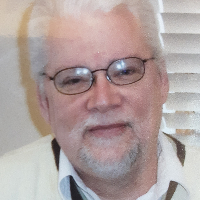
Patricia Hawkins brings 25 years of work in mental health to her counseling practice.
01About Patricia
Patricia Hawkins brings 25 years of work in mental health to her counseling practice. She holds a masters degree in counseling and psychology from Michigan State University and is a Licensed Professional Counselor (LPC) practicing in Michigan. Patricia began in Assertive Community Treatment, moved into case management, and has provided direct mental health therapy for the last decade.
Her main interests include helping people who struggle with mental health and addiction concerns.
Background and approach
Common issues she sees are anxiety, depression, anger, stress, relationship and intimacy difficulties, and challenges tied to life stages. She also works with concerns such as grief, sleep problems, self-esteem, and coping with major changes. Patricia uses a collaborative, solution-focused style.
She builds treatment plans that reflect each person’s goals and learning style, and she centers sessions on what the client wants to work on. Practical strategies, clear steps, and regular check-ins shape the work together. Her toolbox includes client-centered methods alongside Cognitive Behavioral Therapy and Dialectical Behavior Therapy techniques.
She also draws on mindfulness and motivational interviewing to support change and skill building. Sessions can address both mental health and substance use concerns in an integrated way. Clients can expect a straightforward, respectful approach that emphasizes problem solving and personal strengths.
Patricia values working with people who want to improve the quality of their lives and helps them set realistic, achievable goals.
02Credentials
- LPC (Michigan)
- License 6401009911 · expires March 2026
- NPI
- 1801004999 · national provider identifier
Both are public records. A state board register will confirm a license and its standing, and the national registry will confirm an NPI. This directory copies what the counselor lists and checks neither.
03Focus areas and approaches
Everything Patricia lists on their public professional profile, in their own terms.
- Stress, Anxiety
- Grief
- Anger management
- Self esteem
- Depression
- Addictions
- Relationship issues
- Family conflicts
- Trauma and abuse
- Intimacy-related issues
- Sleeping disorders
- Parenting issues
- Career difficulties
- Bipolar disorder
- Coping with life changes
- Coaching
- Compassion fatigue
- ADHD
- Aging and geriatric issues
- Antisocial personality
- Blended family issues
- Codependency
- Communication problems
- Dependent personality
- Divorce and separation
- Drug and alcohol addiction
- Family of origin issues
- Family problems
- Guilt and shame
- Hospice and end-of-life counseling
- Isolation / loneliness
- Life purpose
- Midlife crisis
- Mood disorders
- Obsessions, compulsions, and OCD
- Paranoia
- Personality disorders
- Postpartum depression
- Pregnancy and childbirth
- Seasonal Affective Disorder (SAD)
- Sexuality
- Smoking / vaping cessation
- Social anxiety and phobia
- Women's issues
- Workplace issues
Methods Patricia names
- Client-Centered Therapy
- Cognitive Behavioral Therapy (CBT)
- Dialectical Behavior Therapy (DBT)
- Mindfulness Therapy
- Motivational Interviewing
- Narrative Therapy
- Solution-Focused Therapy
These are the methods Patricia names on their own professional profile. Naming an approach is not evidence of training or certification in it, and this directory checks no training records. Ask directly if it matters to you.
We will earn a commission if you sign up through our link, at no cost to you. It does not change what you pay or the order of the listings.
04Online support
How Patricia’s Approaches Work Online
Patricia often draws on Cognitive Behavioral Therapy and Dialectical Behavior Therapy in her online work. CBT focuses on the links between thoughts, feelings, and actions and teaches practical skills to change unhelpful patterns; it can help with anxiety, depression, and sleep problems. DBT offers emotion regulation, distress tolerance, and interpersonal skills that are useful for strong emotions, relationship difficulties, and self-management.She views selecting an approach as a team effort. The therapist will talk with the client about goals, try methods that fit their learning style, and adjust the plan based on what helps most. That collaborative process is part of the therapy itself and helps people find the best path forward.
Online therapy offers several practical benefits. Video calls let people use face-to-face interactions from wherever they are, while phone sessions work well when bandwidth or camera use is limited. Live chat and text-based messaging can be useful for quick check-ins, skill practice, or shorter coaching-style exchanges between sessions. Those options make it easier to fit sessions into busy schedules and to continue momentum between meetings.
05Questions people ask
What concerns does Patricia commonly address?
She helps people with stress, anxiety, depression, addictions, grief, anger, relationship and intimacy issues, sleep problems, self-esteem, and coping with life changes.
What is her therapy style like?
Her style is collaborative and solution focused, with treatment plans guided by the client’s goals and learning preferences.
How much experience does she have?
Patricia has worked in mental health for 25 years, including ten years providing direct mental health therapy and earlier roles in Assertive Community Treatment and case management.
Where is she licensed and located?
She is a Licensed Professional Counselor (LPC) practicing in Michigan and holds a masters degree in counseling and psychology from Michigan State University.
In which languages are sessions offered?
Sessions are offered in English.
What session formats are available online?
Sessions can be conducted by video calls, phone sessions, live chat, or text-based messaging.
How does billing and cost work?
Cost varies with location and therapist availability; sessions are provided through a subscription model that can be canceled at any time.
How do I begin working with her?
Start by selecting the Start Therapy button, complete a short matching questionnaire, and then schedule sessions based on therapist availability.
More counselors in Michigan
See all
Relationship, Self esteem, Career and 2 more

Stress, Anxiety, LGBT, Trauma and abuse and 1 more
Stress, Anxiety, Addictions, Trauma and abuse and 11 more

Stress, Anxiety, Grief, Depression and 13 more
Is this your profile?
Ask us to correct details or take the page down.