Natalie Summit brings almost three decades of counseling experience to people facing stress, anxiety, addiction, trauma, grief, and relationship strain.
01About Natalie
Natalie Summit brings almost three decades of counseling experience to people facing stress, anxiety, addiction, trauma, grief, and relationship strain. She is an Arizona licensed professional counselor - LPC - and also holds a Licensed Clinical Mental Health Counselor credential, LCMHC. Natalie writes plainly and listens first, helping people find practical steps they can use right away.
Her background includes long work in community mental health and a 20-year role as a mental health professional supporting law enforcement.
Background and approach
That career exposed her to crisis intervention, addictions, domestic violence, sexual assault, and traumatic loss, and shaped how she responds under pressure. She uses those experiences to stay calm and focused in difficult conversations. Natalie blends several approaches depending on a person's needs.
She draws on cognitive behavioral ideas to shift unhelpful thinking, client-centered skills to build trust, and mindfulness and acceptance strategies to manage distress. She also uses tools aimed at emotional regulation and improving communication when relationships are strained. Sessions are offered online by video, phone, live chat, or text messaging, so people can find a format that fits their schedule.
She is comfortable helping people work through career stress, parenting strain, identity questions, and life changes as well as post-traumatic stress and mood disorders. People who connect well with Natalie tend to want clear, realistic steps and a respectful space to be heard while they try new ways of coping.
She emphasizes collaboration, practical skills, and steady support as someone navigates healing and change.
02Credentials
- LPC (Arizona)
- License 1671 · expires November 2026
- LCMHC (Utah)
- License 11817045-6004 · expires September 2026
- LMHC (Washington)
- License 61332926 · expires March 2026
- NPI
- 1548826258 · national provider identifier
Both are public records. A state board register will confirm a license and its standing, and the national registry will confirm an NPI. This directory copies what the counselor lists and checks neither.
03Focus areas and approaches
Everything Natalie lists on their public professional profile, in their own terms.
- Stress, Anxiety
- Addictions
- Trauma and abuse
- Anger management
- Depression
- LGBT
- Relationship issues
- Family conflicts
- Grief
- Parenting issues
- Self esteem
- Career difficulties
- Bipolar disorder
- Coping with life changes
- Compassion fatigue
- ADHD
- Communication problems
- Divorce and separation
- Domestic violence
- Drug and alcohol addiction
- First responder issues
- Forgiveness
- Guilt and shame
- HIV / AIDS
- Isolation / loneliness
- Life purpose
- Mood disorders
- Post-traumatic stress
- Self-love
- Sexual assault and abuse
- Social anxiety and phobia
- Women's issues
Methods Natalie names
- Acceptance and Commitment Therapy (ACT)
- Client-Centered Therapy
- Cognitive Behavioral Therapy (CBT)
- Dialectical Behavior Therapy (DBT)
- Gottman Method
- Mindfulness Therapy
- Motivational Interviewing
- Solution-Focused Therapy
- Trauma-Focused Therapy
- Internal Family Systems
These are the methods Natalie names on their own professional profile. Naming an approach is not evidence of training or certification in it, and this directory checks no training records. Ask directly if it matters to you.
We will earn a commission if you sign up through our link, at no cost to you. It does not change what you pay or the order of the listings.
04Online support
How these approaches work for online therapy
Acceptance and Commitment Therapy, or ACT, focuses on helping people notice difficult thoughts and feelings without letting them drive behavior. It uses values-based goals so someone can take concrete steps toward a more meaningful life even when emotions are strong. Cognitive Behavioral Therapy, CBT, looks at the links between thoughts, feelings, and actions and uses structured exercises to change patterns that fuel anxiety, depression, and mood swings. Client-Centered Therapy emphasizes a warm, nonjudgmental relationship where the therapist listens and helps the person find their own solutions.Natalie collaborates with each person to decide which approach fits best. She considers the client's goals, life context, and personal preferences and will adjust techniques as progress is made. Finding the right mix is an ongoing conversation rather than a single decision.
Online sessions are offered by video call, phone, live chat, or text-based messaging to make therapy more flexible. Video lets people work face to face when that is helpful. Phone calls can be easier when bandwidth is limited or during a short break. Live chat and text messaging are useful for quick check-ins, ongoing skill practice, or when someone prefers written interaction. These options make it simpler to schedule therapy around work, family, or other commitments while still working with licensed professionals.
05Questions people ask
What kinds of problems does Natalie help with?
She supports people dealing with stress, anxiety, depression, addictions, trauma and abuse, grief, relationship and family concerns, parenting stress, and mood disorders such as bipolar.
How would you describe her therapy style?
Her style is direct and respectful. She listens carefully, uses practical exercises, and works with clients to set achievable steps between sessions.
What is her professional background?
Natalie has worked in community mental health and spent 20 years as a mental health professional supporting law enforcement before retiring from that role in 2019.
Which credentials and location are listed for this therapist?
She holds LPC (Licensed Professional Counselor) and LCMHC (Licensed Clinical Mental Health Counselor) credentials and is based in Arizona.
In what languages are sessions offered?
Sessions are offered in English and international clients are not currently accepted.
What session formats are available online?
Available formats include video calls, phone sessions, live chat, and text-based messaging to suit different needs and schedules.
How is cost handled for sessions?
Cost varies with location and therapist factors; sessions use a subscription model that can be canceled at any time.
What do I need to do to start working together?
Click the Start Therapy button, complete a short matching questionnaire, and schedule sessions according to therapist availability.
More counselors in Arizona
See all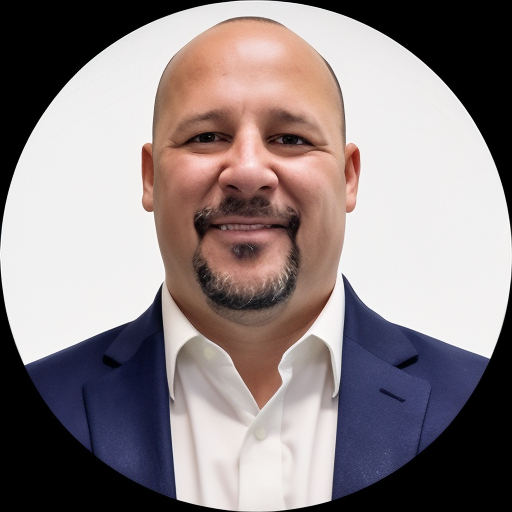
Addictions, Relationship, Trauma and abuse and 2 more

Stress, Anxiety, Relationship, Parenting and 13 more

Stress, Anxiety, Grief, Depression and 7 more

Stress, Anxiety, Trauma and abuse, Self esteem and 12 more
Is this your profile?
Ask us to correct details or take the page down.