Mary Widseth is a Licensed Professional Counselor who focuses on helping adults make sense of their feelings and relationships.
01About Mary
Mary Widseth is a Licensed Professional Counselor who focuses on helping adults make sense of their feelings and relationships. She uses clear, practical strategies so people can manage stress, anxiety, grief, and everyday struggles. Mary writes and listens in plain language so worried parents and busy adults can follow along.
She has seven years of experience working in both home and office settings. Early in her career she helped adults with cognitive, communication, or physical challenges get and keep jobs.
Background and approach
That work involved hands-on training, coordinating with employers, and finding creative solutions when language or accessibility got in the way. After completing her master’s degree in Community Psychology and Rehabilitation Counseling, Mary provided in-home therapy for school-age children and their caregivers for two years. She later spent two additional years seeing adults and children in an office setting.
Across those roles she focused on behavior and emotional regulation, communication skills, and strengthening family relationships. Mary uses client-centered methods alongside approaches such as cognitive behavioral techniques, dialectical behavior tools, emotionally focused ideas, and EMDR when appropriate. She also brings experience working with people facing identity questions, addictions, sleep problems, parenting strain, and life transitions.
She is based in Minnesota and meets with people in English. Sessions aim to be practical, focused on small steps people can try between meetings. Mary helps people set realistic goals and build skills to feel more in control of daily life.
02Credentials
- LPC (Minnesota)
- License 2100 · expires December 2026
- NPI
- 1669021895 · national provider identifier
Both are public records. A state board register will confirm a license and its standing, and the national registry will confirm an NPI. This directory copies what the counselor lists and checks neither.
03Focus areas and approaches
Everything Mary lists on their public professional profile, in their own terms.
- Relationship issues
- Family conflicts
- Trauma and abuse
- Grief
- Depression
- Stress, Anxiety
- Addictions
- LGBT
- Intimacy-related issues
- Sleeping disorders
- Parenting issues
- Anger management
- Self esteem
- Career difficulties
- Bipolar disorder
- Coping with life changes
- ADHD
- Adoption and foster care
- Aging and geriatric issues
- Autism and Asperger Syndrome
- Blended family issues
- Body image
- Caregiver issues and stress
- Communication problems
- Disruptive Mood Dysregulation Disorder (DMDD)
- Divorce and separation
- Domestic violence
- Family problems
- First responder issues
- Hearing impaired
- Hoarding
- Hospice and end-of-life counseling
- Infidelity
- Intellectual disability
- Midlife crisis
- Veteran and Armed Forces Issues
- Mood disorders
- Panic disorder and panic attacks
- Personality disorders
- Post-traumatic stress
- Prejudice and discrimination
- Seasonal Affective Disorder (SAD)
- Self-harm
- Social anxiety and phobia
- Traumatic brain injury
Methods Mary names
- Client-Centered Therapy
- Cognitive Behavioral Therapy (CBT)
- Dialectical Behavior Therapy (DBT)
- Emotionally-Focused Therapy (EFT)
- Eye Movement Desensitization and Reprocessing (EMDR)
- Mindfulness Therapy
- Motivational Interviewing
- Narrative Therapy
- Solution-Focused Therapy
- Trauma-Focused Therapy
These are the methods Mary names on their own professional profile. Naming an approach is not evidence of training or certification in it, and this directory checks no training records. Ask directly if it matters to you.
We will earn a commission if you sign up through our link, at no cost to you. It does not change what you pay or the order of the listings.
04Online support
Approaches that guide online sessions
Client-centered therapy starts by listening closely to what matters most to the person and shaping sessions around their goals. This approach helps people feel heard and guides practical next steps for daily problems.Cognitive Behavioral Therapy, or CBT, focuses on identifying unhelpful thoughts and testing new behaviors. It is useful for anxiety, depression, sleep issues, and managing mood swings by giving step-by-step tools to practice between sessions.
Dialectical Behavior Therapy, or DBT, teaches skills for emotional regulation, distress tolerance, and clearer communication. These skills help people reduce impulsive reactions, manage anger, and improve relationship interactions.
Finding the right approach is part of the work. Mary will collaborate with each person to decide which methods fit their needs, goals, and comfort level. She adjusts plans as people try techniques and report what helps.
Online therapy options include video calls, phone sessions, live chat, and text-based messaging. Video lets people read facial cues and practice skills in real time. Phone sessions can work when bandwidth is low or when someone prefers not to be on camera. Live chat or text-based messaging can be useful for quick check-ins, brief skill coaching, or when writing feels easier than speaking. These formats make therapy more flexible and easier to fit into busy lives.
05Questions people ask
What concerns does Mary address in therapy?
She works with adults on issues like depression, anxiety, trauma and abuse, grief, addictions, sleep problems, parenting stress, and relationship or intimacy-related concerns.
What is Mary’s general therapy style?
Her approach is client-centered and practical. She blends cognitive behavioral techniques, DBT skills, EMDR, and emotionally focused ideas to match what a person needs.
How much clinical experience does she have?
Mary has seven years of experience working in both home and office settings with adults and school-age children on behavior, communication, and daily functioning.
What credentials and region are associated with this therapist?
She is a Licensed Professional Counselor (LPC) practicing in Minnesota.
Which languages are supported for sessions?
Sessions are offered in English.
What session formats are available?
Mary meets via video calls, phone sessions, live chat, and text-based messaging to fit different needs and schedules.
How is cost handled for sessions?
Cost varies with location and therapist availability; sessions use a subscription that can be canceled at any time.
How do I begin working with Mary?
Click the Start Therapy button, complete the short matching questionnaire, and schedule according to the therapist’s availability.
More counselors in Minnesota
See all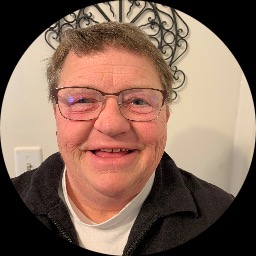
Stress, Anxiety, Trauma and abuse, Career and 13 more

Stress, Anxiety, Addictions, Trauma and abuse and 2 more

Stress, Anxiety, LGBT, Trauma and abuse and 10 more

Stress, Anxiety, Addictions, Trauma and abuse and 2 more
Is this your profile?
Ask us to correct details or take the page down.