Dr.
01About Mary
Dr. Mary Del Vecchio provides calm, straightforward support for people facing stress, anxiety, depression, relationship strain, and life changes. She is a Licensed Professional Counselor and brings 30 years of experience to sessions.
Her style is warm and interactive and she focuses on practical skills people can use right away. She blends several familiar approaches to match each person’s needs rather than using a single method for everyone. In sessions she listens closely, helps set clear goals, and teaches tools to manage emotions and improve communication.
Background and approach
She also draws on mindfulness practices to reduce tension and on cognitive techniques to shift unhelpful thinking. Dr. Del Vecchio has worked with many people dealing with trauma, grief, addiction, chronic illness, and compassion fatigue.
She also helps with parenting stress, workplace problems, sleep troubles, and self-esteem concerns. When intimate or relational issues come up, she focuses on communication and personal boundaries. Her background includes work across clinical and pastoral settings, and she incorporates spiritual concerns when clients want that included.
She aims to treat each person with respect and to build a team approach so clients feel empowered to move forward. Sessions are conversational and goal-oriented. Expect a mix of talking, practical exercises, and skill-building tailored to daily life.
Dr. Del Vecchio works from Minnesota and offers multiple online formats to fit different needs.
02Credentials
- LPC (Minnesota)
- License 915 · expires April 2026
- LPC (Wisconsin)
- License 3846-125 · expires February 2027
- NPI
- 1356498901 · national provider identifier
Both are public records. A state board register will confirm a license and its standing, and the national registry will confirm an NPI. This directory copies what the counselor lists and checks neither.
03Focus areas and approaches
Everything Mary lists on their public professional profile, in their own terms.
- Stress, Anxiety
- Relationship issues
- Family conflicts
- Depression
- Coping with life changes
- Addictions
- Trauma and abuse
- Grief
- Intimacy-related issues
- Sleeping disorders
- Parenting issues
- Self esteem
- Career difficulties
- Bipolar disorder
- Coaching
- Compassion fatigue
- ADHD
- Abandonment
- Aging and geriatric issues
- Blended family issues
- Cancer
- Caregiver issues and stress
- Chronic pain, illness, and disability
- Codependency
- Commitment issues
- Communication problems
- Control issues
- Dependent personality
- Divorce and separation
- Domestic violence
- Emptiness
- Family of origin issues
- Family problems
- Fatherhood issues
- First responder issues
- Forgiveness
- Guilt and shame
- Hospice and end-of-life counseling
- Impulsivity
- Infidelity
- Intellectual disability
- Isolation / loneliness
- Jealousy
- Life purpose
- Men's issues
- Midlife crisis
- Mood disorders
- Obsessions, compulsions, and OCD
- Panic disorder and panic attacks
- Personality disorders
- Postpartum depression
- Post-traumatic stress
- Process addiction (porn, exercise, gambling)
- Seasonal Affective Disorder (SAD)
- Self-love
- Sex addiction
- Sexual assault and abuse
- Social anxiety and phobia
- Somatization
- Traumatic brain injury
- Visually impaired
- Women's issues
- Workplace issues
Methods Mary names
- Client-Centered Therapy
- Cognitive Behavioral Therapy (CBT)
- Eye Movement Desensitization and Reprocessing (EMDR)
- Mindfulness Therapy
- Motivational Interviewing
- Psychodynamic Therapy
- Solution-Focused Therapy
- Somatic Therapy
- Trauma-Focused Therapy
These are the methods Mary names on their own professional profile. Naming an approach is not evidence of training or certification in it, and this directory checks no training records. Ask directly if it matters to you.
We will earn a commission if you sign up through our link, at no cost to you. It does not change what you pay or the order of the listings.
04Online support
How therapeutic approaches shape online care
Client-centered therapy puts the person’s priorities first. The therapist listens, reflects, and follows the client’s lead to set goals and pace. This approach helps when someone wants a respectful, collaborative space to talk through problems.Cognitive Behavioral Therapy, or CBT, focuses on identifying unhelpful thoughts and testing new, practical ways of responding. It is useful for anxiety, depression, sleep problems, and managing stress through concrete tools and exercises.
EMDR helps people address traumatic memories by using guided bilateral stimulation alongside memory processing. It is often used for trauma and abuse recovery when a client and therapist agree it is an appropriate next step.
Choosing the right approach is part of the work. The therapist will talk with each person about their goals, preferences, and symptoms, then suggest methods to try. That plan can change as progress is made, and decisions are made together.
Online formats include video calls, phone sessions, live chat, or text-based messaging. Video is useful for full conversations and visual cues, phone sessions can work when bandwidth is limited, and messaging supports brief check-ins or ongoing coaching-style contact. These options make it easier to fit therapy into busy schedules and to keep momentum between sessions.
05Questions people ask
What kinds of concerns does she address?
She works with stress, anxiety, depression, relationship and parenting concerns, trauma and abuse, grief, addiction, chronic illness, and related issues such as sleep problems and self-esteem.
How would you describe her therapy style?
The approach is caring and interactive, blending client-centered listening with goal-focused work and practical exercises to teach coping skills.
How much experience does she have?
She has 30 years of experience in the counseling field, bringing long-term clinical work across a variety of settings.
What credentials and location are on record?
She is a Licensed Professional Counselor with licensure listed in Minnesota and Wisconsin, and she is based in Minnesota.
Is therapy offered in languages other than English?
Sessions are offered in English.
Which session formats are available?
Sessions may be held via video calls, phone sessions, live chat, or text-based messaging to suit different schedules and needs.
How are fees and payments handled?
Cost varies with location and therapist options; sessions use a subscription model that can be canceled at any time.
What are the first steps to begin?
Use the Start Therapy button, complete a short matching questionnaire, and then schedule a session based on therapist availability.
More counselors in Minnesota
See all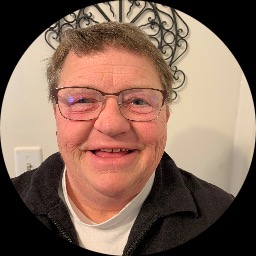
Stress, Anxiety, Trauma and abuse, Career and 13 more

Stress, Anxiety, Addictions, Trauma and abuse and 2 more

Stress, Anxiety, LGBT, Trauma and abuse and 10 more

Stress, Anxiety, Addictions, Trauma and abuse and 2 more
Is this your profile?
Ask us to correct details or take the page down.