Gordon Pfannenstiel is a licensed clinical counselor (LCPC) based in Kansas with 15 years of experience helping people navigate life’s harder moments.
01About Gordon
Gordon Pfannenstiel is a licensed clinical counselor (LCPC) based in Kansas with 15 years of experience helping people navigate life’s harder moments. He focuses on building a trusting relationship so clients feel heard and understood. Gordon encourages people to use their own strengths as the foundation for change.
He works with a wide range of concerns including relationship struggles, self-esteem, anxiety, depression, and coping with life changes. He also supports people facing addiction, grief, trauma, sleeping problems, anger, and work-related stress.
Background and approach
Gordon helps those wrestling with issues around intimacy, career choices, and midlife transitions. In sessions he draws on client-centered methods to keep the conversation focused on a person's goals and experience. He uses cognitive behavioral techniques to help people notice unhelpful thoughts and try out different behaviors.
He also incorporates Gottman ideas for relationship work and mindfulness to reduce stress and improve emotional awareness. Gordon sees therapy as a collaborative process. He listens first, then offers practical tools that fit each person's needs.
He values motivation-based strategies when someone needs help finding direction or overcoming obstacles. Sessions are offered in English and are available by video, phone, live chat, or text-based messaging. Gordon works with adults who want a straightforward, respectful approach to change and growth.
02Credentials
- LCPC (Kansas)
- License LCPC 2353 · expires April 2026
- NPI
- 1467755017 · national provider identifier
Both are public records. A state board register will confirm a license and its standing, and the national registry will confirm an NPI. This directory copies what the counselor lists and checks neither.
03Focus areas and approaches
Everything Gordon lists on their public professional profile, in their own terms.
- Relationship issues
- Self esteem
- Depression
- Coping with life changes
- Stress, Anxiety
- Addictions
- Family conflicts
- Trauma and abuse
- Grief
- Intimacy-related issues
- Sleeping disorders
- Anger management
- Career difficulties
- Bipolar disorder
- Coaching
- ADHD
- Control issues
- Divorce and separation
- Forgiveness
- Guilt and shame
- Isolation / loneliness
- Life purpose
- Midlife crisis
- Mood disorders
- Personality disorders
- Social anxiety and phobia
- Workplace issues
- Young adult issues
Methods Gordon names
- Client-Centered Therapy
- Cognitive Behavioral Therapy (CBT)
- Gottman Method
- Mindfulness Therapy
- Motivational Interviewing
- Narrative Therapy
- Solution-Focused Therapy
These are the methods Gordon names on their own professional profile. Naming an approach is not evidence of training or certification in it, and this directory checks no training records. Ask directly if it matters to you.
We will earn a commission if you sign up through our link, at no cost to you. It does not change what you pay or the order of the listings.
04Online support
Therapeutic Approaches and How They Work Online
Gordon uses client-centered therapy to keep the focus on each person's goals and experience. This approach involves listening closely, reflecting what is said, and helping people clarify their priorities and values. Cognitive behavioral therapy (CBT) is used to identify unhelpful thought patterns and try small behavior changes that can improve mood and reduce anxiety. The Gottman Method provides practical, research-informed exercises for people working on relationship communication and conflict patterns.Choosing the right approach is part of the work together. Gordon will discuss options and tailor methods based on the client's needs, goals, and preferences. He aims to be collaborative, testing strategies and adjusting the plan as progress is made.
Online therapy offers flexible ways to connect. Video calls allow face-to-face conversation and visual cues. Phone sessions can work when bandwidth is limited or for a quick check-in. Live chat and text-based messaging are useful for shorter updates, daily check-ins, or when typing helps someone organize thoughts. These options can make regular therapy easier to fit into a busy life while keeping the focus on practical tools and steady progress.
05Questions people ask
What kinds of problems does Gordon help with?
He assists with relationship issues, self-esteem, anxiety, depression, and coping with life changes. Additional focus areas include addiction, grief, trauma, sleep problems, anger, career concerns, ADHD, and mood or personality challenges.
How would you describe his therapeutic style?
Gordon favors a collaborative, client-centered style. He listens first and then offers practical strategies like cognitive behavioral techniques and mindfulness to address thoughts, behaviors, and stress.
What experience does he bring to therapy?
He has 15 years of professional experience working with a variety of emotional and life concerns. That background informs a practical approach to problem solving and motivation.
Where is he licensed and based?
Gordon holds an LCPC and practices in Kansas. Sessions are provided from that location.
Can I work with him in a language other than English?
Sessions are offered in English.
Are international clients accepted?
International clients are not currently accepted.
What formats are available for sessions?
He offers video calls, phone sessions, live chat, and text-based messaging to suit different needs and schedules.
How does cost and scheduling work?
Session cost varies with location and therapist availability and is billed through a subscription that can be canceled at any time. To begin, select the Start Therapy button, complete a short matching questionnaire, and schedule according to therapist availability.
More counselors in Kansas
See all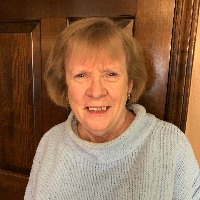
Stress, Anxiety, Trauma and abuse, Grief and 14 more

Stress, Anxiety, Trauma and abuse, Self esteem and 2 more

Stress, Anxiety, Relationship, Anger and 12 more

Stress, Anxiety, Relationship, Family and 11 more
Is this your profile?
Ask us to correct details or take the page down.