Erica R.
01About Erica
Erica R. Brooks is a Licensed Professional Counselor with nearly three decades of experience in Missouri. She began her career in child welfare in the St.
Louis metro area in 1994 and has worked in residential treatment, outpatient mental health, and with foster care and adoption agencies. Erica focuses on helping people who carry the effects of early harm and those seeking stronger relationships and more satisfaction in life. Her background means she often sees how childhood events shape adult struggles.
Background and approach
She helps people understand those links and find practical ways to change patterns that no longer serve them. Sessions are built around the person in front of her, not a single method. Erica draws from several well-known approaches, including attachment-based ideas, cognitive behavioral techniques, and client-centered listening.
She blends these with mindfulness and psychodynamic perspectives to match each person’s needs. The emphasis is on clear, manageable steps people can use between sessions. Typical concerns she addresses include stress, anxiety, depression, trauma and abuse, parenting challenges, addictions, grief, intimacy and relationship problems, anger, self-esteem, and ADHD.
She also works on issues like abandonment, attachment difficulties, codependency, and family of origin problems. Erica’s style is warm and direct. She focuses on building trust and on practical change.
If someone wants to explore how past experiences influence current life, she helps them map that path and try new ways of relating and coping.
02Credentials
- LPC (Missouri)
- License 2008034730 · expires June 2027
- NPI
- 1023259041 · national provider identifier
Both are public records. A state board register will confirm a license and its standing, and the national registry will confirm an NPI. This directory copies what the counselor lists and checks neither.
03Focus areas and approaches
Everything Erica lists on their public professional profile, in their own terms.
- Stress, Anxiety
- Relationship issues
- Trauma and abuse
- Parenting issues
- Depression
- Addictions
- LGBT
- Family conflicts
- Grief
- Intimacy-related issues
- Anger management
- Self esteem
- Coping with life changes
- Compassion fatigue
- ADHD
- Abandonment
- Adoption and foster care
- Attachment issues
- Caregiver issues and stress
- Codependency
- Communication problems
- Dependent personality
- Emptiness
- Family of origin issues
- Family problems
- Guilt and shame
- Infidelity
- Life purpose
- Post-traumatic stress
- Seasonal Affective Disorder (SAD)
- Self-love
- Sexual assault and abuse
- Social anxiety and phobia
Methods Erica names
- Attachment-Based Therapy
- Client-Centered Therapy
- Cognitive Behavioral Therapy (CBT)
- Mindfulness Therapy
- Psychodynamic Therapy
- Trauma-Focused Therapy
These are the methods Erica names on their own professional profile. Naming an approach is not evidence of training or certification in it, and this directory checks no training records. Ask directly if it matters to you.
We will earn a commission if you sign up through our link, at no cost to you. It does not change what you pay or the order of the listings.
04Online support
Approach and Online Options for Rooted Healing
Attachment-based work focuses on patterns of connection formed early in life. It looks at how past relationships shape current trust, closeness, and reactions to stress, and it helps people try new ways of relating that feel safer and more satisfying.Cognitive Behavioral Therapy, or CBT, helps people identify unhelpful thoughts and behaviors and replace them with more useful ones. It is practical and problem-focused, and often used for anxiety, depression, and stress-related difficulties.
Client-centered therapy emphasizes being heard and understood without judgment. The therapist follows the person’s lead, reflecting what matters most to them and supporting self-directed growth.
Choosing an approach is a collaborative process. Erica will work with clients to figure out which methods fit their goals, history, and preferences. That may mean blending ideas from different approaches and adjusting as therapy progresses.
Online therapy offers flexibility and easier access to ongoing care. Video calls allow face-to-face conversations when a deeper connection helps. Phone sessions work well when bandwidth is limited or a shorter check-in is needed. Live chat and text-based messaging can help people fit support into a busy day or continue a thread between sessions. These options let people maintain continuity of care despite work, travel, or other commitments.
05Questions people ask
What types of concerns does Erica address?
She works with stress, anxiety, depression, trauma and abuse, parenting struggles, addictions, grief, intimacy and relationship issues, anger, self-esteem, ADHD, and related family and attachment problems.
How would you describe her therapy style?
Her style is warm and direct, combining empathetic listening with clear, practical steps clients can try between sessions.
What experience does she bring to therapy?
She has 29 years of experience in child welfare, residential treatment, outpatient mental health, and work with foster care and adoption agencies.
What are her credentials and location?
She holds an LPC credential - Licensed Professional Counselor - and practices in Missouri.
Can sessions be conducted in other languages or internationally?
Sessions are offered in English and international clients are not currently accepted.
What session formats are available?
She offers video calls, phone sessions, live chat, and text-based messaging to fit different preferences and schedules.
How is cost handled for sessions?
Cost varies with location and therapist availability; sessions are billed through a subscription that can be canceled at any time.
How do I begin working with her?
Click the Start Therapy button, complete a short matching questionnaire, and then schedule sessions according to therapist availability.
More counselors in Missouri
See all
Stress, Anxiety, Addictions, Relationship and 14 more
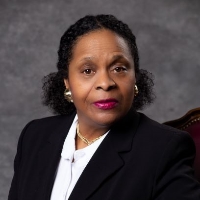
Stress, Anxiety, Addictions, Trauma and abuse and 15 more

Stress, Anxiety, Addictions, Trauma and abuse and 2 more
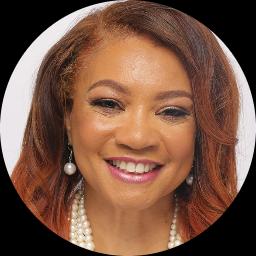
Addictions, Relationship, Self esteem and 16 more
Is this your profile?
Ask us to correct details or take the page down.