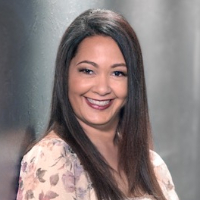
Diana Lively is a Licensed Professional Counselor who helps people manage stress, anxiety, addiction, relationship strain, low self-esteem, and depression.
01About Diana
Diana Lively is a Licensed Professional Counselor who helps people manage stress, anxiety, addiction, relationship strain, low self-esteem, and depression. She works with issues related to trauma, grief, intimacy, eating and sleeping struggles, parenting concerns, and life transitions. Diana writes plainly and focuses on practical steps clients can use between sessions.
Diana brings 16 years of experience in mental health settings. She has worked with people facing co-occurring substance use and mental health challenges and has run recovery and prevention groups.
Background and approach
Her background includes community mental health work and experience collaborating with the court system on alternatives to sentencing and rehabilitation services. In sessions she uses cognitive behavioral techniques to help people identify unhelpful thinking and change behavior. She also draws on acceptance and commitment ideas, attachment-based thinking, and client-centered principles to tailor her approach to each person.
She describes her style as holistic and wellness-oriented, with attention to relapse prevention and mindfulness tools. Diana offers a mix of individual-focused and family-focused work when appropriate, using psychoeducation to help family members understand patterns and roles. She emphasizes practical communication skills, clearer boundaries, and healthier routines to repair relationships and reduce conflict.
She is based in Oklahoma and works in ways that support everyday life, helping people set realistic goals and learn coping skills they can use right away.
02Credentials
- LPC (Oklahoma)
- License LPC05927 · expires June 2026
- NPI
- 1477892925 · national provider identifier
Both are public records. A state board register will confirm a license and its standing, and the national registry will confirm an NPI. This directory copies what the counselor lists and checks neither.
03Focus areas and approaches
Everything Diana lists on their public professional profile, in their own terms.
- Stress, Anxiety
- Addictions
- Relationship issues
- Self esteem
- Depression
- LGBT
- Family conflicts
- Trauma and abuse
- Grief
- Intimacy-related issues
- Eating disorders
- Sleeping disorders
- Parenting issues
- Anger management
- Career difficulties
- Bipolar disorder
- Coping with life changes
- Coaching
- Compassion fatigue
- ADHD
- Aging and geriatric issues
- Caregiver issues and stress
- Codependency
- Communication problems
- Drug and alcohol addiction
- Family problems
- Guilt and shame
- Isolation / loneliness
- Life purpose
- Obsessions, compulsions, and OCD
- Seasonal Affective Disorder (SAD)
- Self-love
- Smoking / vaping cessation
- Social anxiety and phobia
- Somatization
Methods Diana names
- Acceptance and Commitment Therapy (ACT)
- Attachment-Based Therapy
- Client-Centered Therapy
- Cognitive Behavioral Therapy (CBT)
- Dialectical Behavior Therapy (DBT)
- Existential Therapy
- Jungian Therapy
- Mindfulness Therapy
- Motivational Interviewing
- Narrative Therapy
- Solution-Focused Therapy
- Somatic Therapy
- Trauma-Focused Therapy
- Internal Family Systems
These are the methods Diana names on their own professional profile. Naming an approach is not evidence of training or certification in it, and this directory checks no training records. Ask directly if it matters to you.
We will earn a commission if you sign up through our link, at no cost to you. It does not change what you pay or the order of the listings.
04Online support
How therapeutic approaches meet online care
Acceptance and Commitment Therapy helps people notice painful thoughts and feelings without getting stuck in them, then choose actions that match their values. It is useful for anxiety, depression, and coping with life changes. Cognitive Behavioral Therapy focuses on spotting unhelpful thoughts and changing behaviors to reduce symptoms like anxiety, insomnia, and low mood. It offers concrete tools you can practice between sessions.Finding the right approach is part of the work. The therapist will talk with each person about their goals and preferences, then try methods that fit those needs. That collaborative process means the plan can shift over time if something isn’t helping.
Online sessions include video calls, phone sessions, live chat, and text-based messaging to make therapy flexible. Video calls let people see facial cues and use screen-shared tools for homework. Phone sessions can be a simpler option when bandwidth is limited or a quicker check-in is needed. Live chat and messaging are useful for short updates, scheduling, or steady support between longer appointments. These formats make it easier to fit therapy around work, caregiving, or busy days while still working on skills and recovery.
05Questions people ask
What concerns does Diana commonly help with?
She supports people with stress, anxiety, addictions, depression, relationship and self-esteem struggles, trauma and grief, parenting and intimacy-related issues, and a range of other life challenges.
How would you describe her therapy style?
Her approach is practical and wellness-focused, blending cognitive behavioral strategies with acceptance and attachment-informed ideas to fit each person's needs.
What background does she bring to sessions?
She has 16 years of experience in mental health, including work in community mental health, recovery groups, and collaborations with the court system on rehabilitation services.
Where is she licensed and practicing?
She holds LPC credentials in Oklahoma and bases her practice there.
Which languages are supported for sessions?
Sessions are offered in English.
What session formats are available?
She offers video calls, phone sessions, live chat, and text-based messaging to meet different scheduling and communication needs.
How are costs handled for sessions?
Cost varies with location and therapist availability; sessions are provided through a subscription model that can be canceled at any time.
How do I begin working with her?
Start by selecting the Start Therapy button, completing a short matching questionnaire, and then scheduling according to the therapist's availability.
More counselors in Oklahoma
See all
Stress, Anxiety, Relationship, Self esteem and 8 more
Stress, Anxiety, Family, Trauma and abuse and 16 more

Stress, Anxiety, Addictions, Relationship and 2 more

LGBT, Grief, Intimacy-related issues and 2 more
Is this your profile?
Ask us to correct details or take the page down.