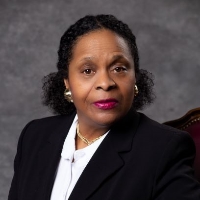
Deonna Crabtree uses a client-centered approach that keeps the person’s goals in focus.
01About Deonna
Deonna Crabtree uses a client-centered approach that keeps the person’s goals in focus. She is a licensed professional counselor in Missouri with 20 years of experience in mental health and higher education. Her manner is relaxed and collaborative, designed to make starting therapy feel less intimidating.
She draws from practical methods such as Cognitive Behavioral Therapy and Motivational Interviewing to address stress, anxiety, and depression. She also helps people coping with mood disorders, bipolar symptoms, panic, and ADHD.
Background and approach
Sessions are shaped to each person’s needs rather than following a fixed script. Deonna has worked with people who have survived abuse and those facing grief, relationship struggles, or addiction. She supports conversations about intimacy, parenting strains, career stress, and life changes.
Topics like abandonment, guilt, and forgiveness are also within her focus areas. Her style aims for straightforward conversation instead of heavy clinical language. People can expect a calm, down-to-earth tone and a focus on concrete steps to feel better.
She will collaborate with clients to set goals and track small changes over time. Online sessions are part of her practice, and she offers several remote formats to fit different schedules and needs. The first step is a short matching questionnaire that helps connect you to a therapist and schedule sessions that fit your routine.
02Credentials
- LPC (Missouri)
- License 2014007454 · expires June 2027
- NPI
- 1174906820 · national provider identifier
Both are public records. A state board register will confirm a license and its standing, and the national registry will confirm an NPI. This directory copies what the counselor lists and checks neither.
03Focus areas and approaches
Everything Deonna lists on their public professional profile, in their own terms.
- Stress, Anxiety
- Trauma and abuse
- Self esteem
- Depression
- Addictions
- Relationship issues
- Family conflicts
- Grief
- Intimacy-related issues
- Eating disorders
- Parenting issues
- Anger management
- Career difficulties
- Bipolar disorder
- Coping with life changes
- Compassion fatigue
- ADHD
- Abandonment
- Disruptive Mood Dysregulation Disorder (DMDD)
- Divorce and separation
- Domestic violence
- Emptiness
- Family problems
- Forgiveness
- Guilt and shame
- Impulsivity
- Infidelity
- Isolation / loneliness
- Jealousy
- Life purpose
- Mood disorders
- Panic disorder and panic attacks
- Personality disorders
- Post-traumatic stress
- Seasonal Affective Disorder (SAD)
- Self-harm
- Sexual assault and abuse
- Social anxiety and phobia
- Trichotillomania
- Women's issues
- Workplace issues
- Young adult issues
Methods Deonna names
- Client-Centered Therapy
- Cognitive Behavioral Therapy (CBT)
- Motivational Interviewing
- Solution-Focused Therapy
These are the methods Deonna names on their own professional profile. Naming an approach is not evidence of training or certification in it, and this directory checks no training records. Ask directly if it matters to you.
We will earn a commission if you sign up through our link, at no cost to you. It does not change what you pay or the order of the listings.
04Online support
How client-centered and CBT work online
Client-Centered Therapy focuses on your priorities and perspective. The therapist listens closely, reflects what you say, and helps you set goals that matter to you. This approach is helpful for people feeling overwhelmed, isolated, or unsure where to begin.Cognitive Behavioral Therapy (CBT) looks at how thoughts, feelings, and actions connect. It teaches straightforward techniques to manage anxiety, panic, low mood, and impulsive behaviors. CBT often uses short, practical exercises that can be done between sessions.
Finding the right approach is part of the work together. The therapist will talk with you about your goals and try methods that fit your situation. That collaboration helps shape a plan that matches your preferences and what you want to change.
Online therapy offers flexibility that can make regular sessions easier to maintain. Video calls let you hold more traditional conversations while wearing comfortable clothing or sitting where you prefer. Phone sessions use less bandwidth and can fit into a lunch break or a walk. Live chat and text-based messaging can make quick check-ins and brief reflections easier to schedule during a busy week. These options let you pick the format that fits your routine and energy level.
05Questions people ask
What concerns does she help with?
She works with stress, anxiety, depression, mood disorders, and ADHD along with relationship and family issues. Other focus areas include trauma, grief, addiction, and intimacy-related concerns.
What is her therapeutic style like?
Her approach is collaborative and relaxed, using client-centered work and cognitive behavioral techniques. Conversations focus on practical steps and personal goals.
How long has she practiced?
She brings 20 years of experience in the mental health field and higher education to her work with clients.
Where is she licensed and based?
She is a licensed professional counselor (LPC) in Missouri and provides services from that location.
Which languages are sessions offered in?
Sessions are offered in English.
What session formats are available?
She offers video calls, phone sessions, live chat, and text-based messaging to fit different schedules and needs.
How does payment and cost work?
Cost varies with location and therapist availability; sessions are provided through a subscription that can be canceled at any time.
How do I begin if I want to meet with her?
Start by selecting the Start Therapy button, complete the short matching questionnaire, and then schedule according to therapist availability.
More counselors in Missouri
See all
Stress, Anxiety, Addictions, Relationship and 14 more
Stress, Anxiety, Addictions, Trauma and abuse and 15 more

Stress, Anxiety, Addictions, Trauma and abuse and 2 more

Addictions, Relationship, Self esteem and 16 more
Is this your profile?
Ask us to correct details or take the page down.