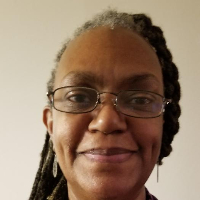
Danielle Stivers helps people who are struggling with stress, anxiety, low self-esteem, depression, and major life changes.
01About Danielle
Danielle Stivers helps people who are struggling with stress, anxiety, low self-esteem, depression, and major life changes. She also supports people facing relationship and family concerns, addiction, grief, trauma and abuse, anger, career questions, bipolar disorder, and ADHD. Danielle holds MD and is a Licensed Clinical Professional Counselor, LCPC, in Maryland and has 12 years of clinical experience.
She keeps sessions straightforward and down-to-earth. Conversations focus on what feels most urgent and practical next steps.
Background and approach
Danielle creates a calm, nonjudgmental space so people can talk about hard feelings and get clearer on what they want to change. Her approach mixes client-centered listening with evidence-based techniques such as cognitive behavioral work and solution-focused planning. That means she listens first, helps identify unhelpful thinking and behavior patterns, and then sets small, achievable goals to try between sessions.
Danielle brings a wellness lens to therapy. She also works as a nutrition coach and personal trainer and often integrates movement, fitness, and lifestyle choices into therapy when clients want that. This can help with mood, sleep, energy, and confidence in daily life.
Sessions are practical and collaborative. Danielle helps people break problems into manageable steps, experiment with changes, and track what works. She encourages realistic progress rather than quick fixes and supports clients as they build new habits and strengths.
02Credentials
- LCPC (Maryland)
- License LC4703 · expires January 2028
- NPI
- 1245716877 · national provider identifier
Both are public records. A state board register will confirm a license and its standing, and the national registry will confirm an NPI. This directory copies what the counselor lists and checks neither.
03Focus areas and approaches
Everything Danielle lists on their public professional profile, in their own terms.
- Stress, Anxiety
- Self esteem
- Depression
- Coping with life changes
- Addictions
- Relationship issues
- Family conflicts
- Trauma and abuse
- Grief
- Parenting issues
- Anger management
- Career difficulties
- Bipolar disorder
- ADHD
- Abandonment
- Attachment issues
- Caregiver issues and stress
- Commitment issues
- Communication problems
- Control issues
- Divorce and separation
- Emptiness
- Family problems
- First responder issues
- Forgiveness
- Guilt and shame
- Isolation / loneliness
- Jealousy
- Life purpose
- Veteran and Armed Forces Issues
- Mood disorders
- Post-traumatic stress
- Seasonal Affective Disorder (SAD)
- Self-harm
- Self-love
Methods Danielle names
These are the methods Danielle names on their own professional profile. Naming an approach is not evidence of training or certification in it, and this directory checks no training records. Ask directly if it matters to you.
We will earn a commission if you sign up through our link, at no cost to you. It does not change what you pay or the order of the listings.
04Online support
Approaches and online options that fit your life
Client-centered therapy focuses on listening and understanding your experience. The therapist follows your lead, reflects what matters to you, and helps you make sense of feelings and choices. Cognitive behavioral therapy, or CBT, looks at how thoughts and behaviors affect mood and functioning; it breaks problems into specific patterns and teaches practical skills to change them. Solution-focused therapy emphasizes setting clear, short-term goals and trying small steps that can produce quick improvements.Finding the right approach is part of the work. The therapist will talk with you about your needs, goals, and preferences and then try methods that fit. That collaborative process helps tailor sessions to your situation and lets you adjust the plan over time.
Online therapy offers several practical benefits. Video calls let you have a face-to-face conversation from wherever you are. Phone sessions work well when bandwidth is limited or you prefer not to be on camera. Live chat and text-based messaging let you check in or do brief follow-ups between sessions and can fit into busy days. These options make scheduling and maintaining therapy more flexible and easier to fit into everyday life.
05Questions people ask
What concerns does this therapist commonly address?
Danielle supports people with stress, anxiety, depression, self-esteem, coping with life changes, addictions, relationship and family concerns, trauma and grief, anger, career issues, bipolar disorder, and ADHD.
How would you describe the therapist's style in sessions?
Sessions are down-to-earth and collaborative. She listens first, offers practical feedback, and focuses on small, achievable steps.
What is her professional background?
She has 12 years of experience working with people facing mood, stress, and life-transition challenges, and integrates wellness practices into care.
What credentials and location are listed?
She holds MD and LCPC and practices in Maryland.
In which languages can sessions be held?
Sessions are offered in English.
What formats are available for sessions?
Therapy can be done by video calls, phone sessions, live chat, or text-based messaging.
How does payment and cost work?
Cost varies by location and therapist availability; sessions use a subscription that can be canceled at any time.
How do I begin working with Danielle?
Start by clicking the Start Therapy button, complete a short matching questionnaire, and schedule sessions according to therapist availability.
More counselors in Maryland
See all
Stress, Anxiety, Relationship, Family and 11 more

Stress, Anxiety, Addictions, Relationship and 2 more

Stress, Anxiety, Relationship, Parenting and 2 more
Stress, Anxiety, Addictions, Relationship and 13 more
Is this your profile?
Ask us to correct details or take the page down.