Carlos Velasco helps adults who feel overwhelmed by major life changes find steadier footing.
01About Carlos
Carlos Velasco helps adults who feel overwhelmed by major life changes find steadier footing. He introduces straightforward strategies so people can regain confidence and handle stress. His tone is direct but kind, and he focuses on practical steps rather than jargon.
Carlos frames therapy as a collaborative process. He and the client look at patterns that get in the way, then practice communication and coping skills that actually get used in daily life.
Background and approach
Sessions aim to leave people with clear next steps they can try between meetings. With 14 years of experience, Carlos brings a steady approach to issues such as trauma and abuse, self-esteem struggles, and transitions like career or identity changes. He also addresses concerns linked to abandonment, attachment, caregiver stress, and blended family dynamics among other focused areas.
Carlos holds the LPCC credential, California LPCC, and works from a practical, solution-oriented perspective. He offers help in both English and Spanish to match the way clients prefer to speak about their lives. Many clients who choose him want help making immediate changes and checking progress along the way.
He uses tools and coaching-style direction when appropriate, so work in sessions connects directly to everyday situations. If you want clear guidance during a transition, Carlos aims to help you create a manageable plan and regain momentum.
02Credentials
- LPCC (California)
- License 5800 · expires October 2026
- NPI
- 1528460508 · national provider identifier
Both are public records. A state board register will confirm a license and its standing, and the national registry will confirm an NPI. This directory copies what the counselor lists and checks neither.
03Focus areas and approaches
Everything Carlos lists on their public professional profile, in their own terms.
- Family conflicts
- Trauma and abuse
- Self esteem
- Coping with life changes
- Coaching
- Abandonment
- Aging and geriatric issues
- Antisocial personality
- Attachment issues
- Avoidant personality
- Blended family issues
- Caregiver issues and stress
- Co-morbidity
- Codependency
- Commitment issues
- Communication problems
- Control issues
- Coping with natural or human-caused disaster
- Dependent personality
- Disruptive Mood Dysregulation Disorder (DMDD)
- Dissociation
- Divorce and separation
- Domestic violence
- Drug and alcohol addiction
- Family problems
- Fatherhood issues
- First responder issues
- Forgiveness
- Gender dysphoria
- Guilt and shame
- HIV / AIDS
- Hospice and end-of-life counseling
- Immigration issues
- Impulsivity
- Infidelity
- Isolation / loneliness
- Jealousy
- Life purpose
- Men's issues
- Midlife crisis
- Veteran and Armed Forces Issues
- Mood disorders
- Multicultural concerns
- Narcissism
- Obsessions, compulsions, and OCD
- Panic disorder and panic attacks
- Paranoia
- Personality disorders
- Polyamory / non-monogamous relationships
- Post-traumatic stress
- Prejudice and discrimination
- Self-love
- Sex addiction
- Sexual assault and abuse
- Sexual dysfunction
- Sexuality
- Social anxiety and phobia
- Workplace issues
- Young adult issues
We will earn a commission if you sign up through our link, at no cost to you. It does not change what you pay or the order of the listings.
04Online support
How evidence-based techniques are used in online care
Many clients respond well to concrete, evidence-based techniques that help with trauma responses and improving self-worth. One approach focuses on identifying and changing unhelpful patterns in thought and behavior so people can test new ways of coping and relating. This method is practical and often used for anxiety, low self-esteem, and life transitions.Another useful approach emphasizes skill-building for communication and emotional regulation. It teaches clear ways to express needs, set boundaries, and manage strong feelings during stressful moments. This helps people handle relationship strain, caregiver stress, and the fallout of major changes.
Finding the right approach is part of the work. The therapist will collaborate with each person to decide which techniques fit their goals and preferences. That may mean trying different tools and adjusting the plan as progress is tracked.
Carlos' biography indicates an initial video intake followed by a mix of live video and messaging-style support. Because session offerings can change, confirm the current options before booking. The practical benefits of online therapy include easier scheduling around busy days, shorter check-ins when you need a quick update, and the ability to send brief reflections between sessions so progress continues outside appointments.
05Questions people ask
What concerns does Carlos often address?
Carlos works with adults on issues like family stress, trauma and abuse, self-esteem, and coping with major life changes. He also focuses on areas such as abandonment, attachment issues, caregiver stress, and blended family challenges.
How would you describe his therapeutic style?
His style is direct and empathetic. He treats therapy as a partnership and emphasizes practical skills, clearer communication, and small actionable steps.
What is his professional background?
He brings 14 years of clinical experience working with adults on a range of concerns linked to relationships and life transitions. That experience informs a pragmatic, goal-focused approach.
What credentials and location are listed?
Carlos holds the LPCC credential, California LPCC, and practices in California.
Can I meet with him in other languages?
Sessions are offered in English and Spanish.
Are online or remote session formats available?
The biography describes a mix of live video and messaging-style support after an initial video intake, but session formats can change. Please confirm current session options before booking.
How are fees and payment handled?
Cost varies with location and therapist availability, and sessions use a subscription that can be canceled at any time.
What steps are needed to begin therapy?
Select the Start Therapy button, complete a short matching questionnaire, and schedule according to therapist availability to set up the initial session.
More counselors in California
See all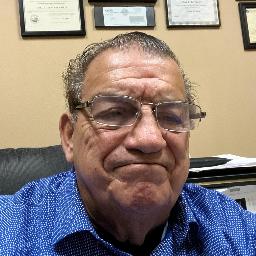
Stress, Anxiety, Relationship, Family and 8 more

Trauma and abuse, Addictions, Grief and 2 more

Stress, Anxiety, Relationship, Trauma and abuse and 2 more

Stress, Anxiety, Relationship, Family and 10 more
Is this your profile?
Ask us to correct details or take the page down.