Brittany Curtis is a licensed professional counselor who guides people through stress, anxiety, relationship struggles, grief, and questions about life direction.
01About Brittany
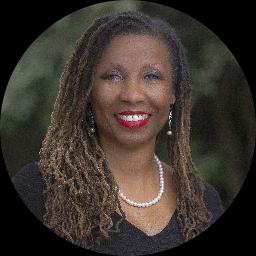
Brittany Curtis is a licensed professional counselor who guides people through stress, anxiety, relationship struggles, grief, and questions about life direction. She uses a straightforward, collaborative style so people can understand what keeps them stuck and begin to change small habits. Her approach aims to make therapy feel practical and relevant to everyday life.
She earned a Bachelor of Arts in Psychology from Coastal Carolina University and a Master of Arts in Applied Clinical Psychology.
Background and approach
Those degrees support nine years of clinical work in independent practice and agency settings. She lists LPC as her credential and practices in South Carolina. Brittany blends client-centered conversation with practical skills.
She draws from cognitive-behavioral techniques to spot thinking patterns that feed anxiety or low mood. Solution-focused tools help set short-term goals and track progress in clear steps. Mindfulness and motivational ideas are added when people want to manage urges, cope with cravings, or grow self-compassion.
Sessions often include simple exercises, thought records, and planning experiments to test new behaviors between meetings. She often helps people who are wrestling with body image, eating and food issues, drug and alcohol addiction, codependency, family of origin problems, and workplace stress. Brittany also supports those facing parenting strain, career transitions, money worries, and the emotional fallout of change.
Her style is warm and nonjudgmental. She encourages clients to become the experts on their own lives while offering tools and structure to move forward. Therapy focuses on practical steps that fit each person’s goals.
02Credentials
- LPC (South Carolina)
- License 6663 · expires August 2027
- NPI
- 1346626447 · national provider identifier
Both are public records. A state board register will confirm a license and its standing, and the national registry will confirm an NPI. This directory copies what the counselor lists and checks neither.
03Focus areas and approaches
Everything Brittany lists on their public professional profile, in their own terms.
- Stress, Anxiety
- Family conflicts
- Eating disorders
- Self esteem
- Depression
- Addictions
- Relationship issues
- Grief
- Parenting issues
- Career difficulties
- Coping with life changes
- Coaching
- Compassion fatigue
- Body image
- Codependency
- Drug and alcohol addiction
- Eating and food-related issues
- Family of origin issues
- Family problems
- Life purpose
- Money and financial issues
- Self-love
- Women's issues
- Workplace issues
Methods Brittany names
- Client-Centered Therapy
- Cognitive Behavioral Therapy (CBT)
- Mindfulness Therapy
- Motivational Interviewing
- Solution-Focused Therapy
These are the methods Brittany names on their own professional profile. Naming an approach is not evidence of training or certification in it, and this directory checks no training records. Ask directly if it matters to you.
We will earn a commission if you sign up through our link, at no cost to you. It does not change what you pay or the order of the listings.
04Online support
How her approaches work online and in sessions
Client-centered therapy focuses on listening and understanding the client’s perspective. The therapist reflects back what she hears and helps people identify their own priorities and choices, which can be useful for improving self-esteem and clarity about life purpose.Cognitive Behavioral Therapy, or CBT, looks at the links between thoughts, feelings, and actions. In practice this means noticing unhelpful thoughts, testing them, and trying small behavioral experiments to reduce anxiety or depressive patterns.
Motivational Interviewing supports change by helping people find their own reasons to act differently. It’s often used when someone is deciding about substance use, lifestyle changes, or finding motivation for a new goal.
Choosing the right approach is part of the work. Brittany will collaborate with each person to decide which methods fit their goals and preferences. She checks in regularly and adapts plans if something isn’t helping.
Online formats - video calls, phone sessions, live chat, and text-based messaging - make it easier to fit therapy into a busy life. Video is useful for face-to-face conversations and exercises. Phone calls can be a good shorter check-in or when bandwidth is low. Chat and text let people message between sessions or use brief coaching-style support during the week. These options offer flexibility while keeping the focus on practical progress.
05Questions people ask
What kinds of concerns does Brittany address?
She works with stress, anxiety, depression, relationship issues, grief, addictions, body image and eating concerns, and family-of-origin problems, among other life challenges.
How would you describe her therapy style?
She uses a collaborative, down-to-earth style that mixes listening with practical skill building like thought records and goal-setting.
What is her professional background?
She has nine years of clinical experience and has worked in independent practice and agency settings with diverse client needs.
What credentials and location apply to this therapist?
She holds the LPC credential and practices in South Carolina.
Which languages and international options are available?
Sessions are offered in English and she is not accepting international clients.
What session formats does she offer?
Sessions can take place via video calls, phone sessions, live chat, or text-based messaging.
How does pricing and payment work?
Cost varies with location and therapist availability; sessions use a subscription that can be canceled at any time.
How do I begin working with her?
Click the Start Therapy button, complete a short matching questionnaire, and schedule sessions based on the therapist's availability.
More counselors in South Carolina
See all
Stress, Anxiety, Relationship, Family and 7 more

Stress, Anxiety, Intimacy-related issues, Self esteem and 2 more
Stress, Anxiety, Addictions, Self esteem and 2 more

Stress, Anxiety, Grief, Parenting and 4 more
Is this your profile?
Ask us to correct details or take the page down.