
Stress, Anxiety, Relationship, Grief and 7 more
Licensed professional counselors
Counselors in New Mexico
61 licensed professional counselors hold a license in New Mexico. Sessions are online; a counselor can usually only work with people in the states where they hold a license, so check the license line on each profile.
Welcome to the New Mexico directory for licensed professional counselors who offer online therapy. All listed counselors hold a state-issued counseling license; explore profiles to review credentials, focus areas, languages, and experience.

Stress, Anxiety, Addictions, Relationship and 10 more

Stress, Anxiety, Family, Parenting and 10 more
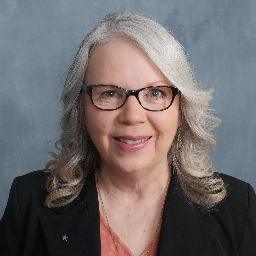
Stress, Anxiety, Family, Trauma and abuse and 9 more

Trauma and abuse, Parenting, Stress, Anxiety and 8 more

Stress, Anxiety, Relationship, Grief and 5 more

Stress, Anxiety, Grief, Depression and 2 more

Stress, Anxiety, Trauma and abuse, Grief and 16 more

Addictions, Relationship, Parenting and 13 more

Stress, Anxiety, Addictions, Trauma and abuse and 2 more

Stress, Anxiety, Relationship, Trauma and abuse and 2 more

Stress, Anxiety, Trauma and abuse, Self esteem and 2 more
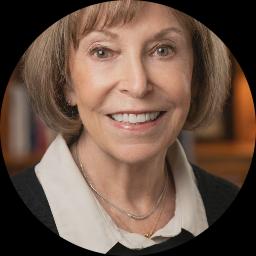
Stress, Anxiety, Relationship, Family and 1 more

Stress, Anxiety, LGBT, Relationship and 3 more

Stress, Anxiety, Family, Trauma and abuse and 2 more

Stress, Anxiety, Relationship, Family and 17 more

Trauma and abuse, Grief, Parenting and 11 more

Stress, Anxiety, Relationship, Intimacy-related issues and 8 more

Addictions, Relationship, Trauma and abuse and 11 more
Stress, Anxiety, Addictions, Trauma and abuse and 15 more

Stress, Anxiety, Trauma and abuse, Grief and 2 more

Stress, Anxiety, Addictions, Self esteem and 2 more

Stress, Anxiety, Parenting, Anger and 7 more

Stress, Anxiety, Relationship, Family and 17 more

Stress, Anxiety, LGBT, Trauma and abuse and 7 more

Stress, Anxiety, Trauma and abuse, Grief and 9 more

Stress, Anxiety, Anger, Bipolar and 9 more

Self esteem, Career, Depression and 2 more

Stress, Anxiety, Relationship, Family and 2 more

Stress, Anxiety, Addictions, Relationship and 2 more

Stress, Anxiety, Addictions, LGBT and 15 more

Stress, Anxiety, Addictions, Trauma and abuse and 2 more
Stress, Anxiety, Trauma and abuse, Parenting and 10 more

Stress, Anxiety, Trauma and abuse, Grief and 2 more

Relationship, Self esteem, Career and 15 more

Stress, Anxiety, Trauma and abuse, Depression and 10 more

Stress, Anxiety, Relationship, Family and 15 more

Stress, Anxiety, Parenting, Self esteem and 6 more

Stress, Anxiety, Addictions, Relationship and 11 more

Stress, Anxiety, Trauma and abuse, Self esteem and 2 more

Stress, Anxiety, Trauma and abuse, Depression and 11 more
Relationship, Family

Stress, Anxiety, Addictions, Trauma and abuse and 16 more

Stress, Anxiety, Trauma and abuse, Career and 12 more

Stress, Anxiety, LGBT, Relationship and 2 more

Stress, Anxiety, LGBT, Relationship and 15 more

Stress, Anxiety, Addictions, Grief and 10 more

Coping with life changes, Addictions, Relationship and 2 more
Some links on this page are partner links. We will earn a commission if you sign up through one, at no cost to you. It does not change what you pay or the order of the listings.
Overview of online therapy availability in New Mexico
If you are looking for online therapy with a licensed professional counselor in New Mexico, you will find that many counselors offer remote sessions alongside in-person options. State rules govern who may provide remote services across state lines and what documentation is required, so counselors who list online sessions follow the state licensing framework that applies to their credential. Licensed professional counselor credentials appear under different names in the United States - LPC, LPCC, or LCPC - depending on a state’s terminology. That means a counselor who holds an LCPC in Illinois is the same licensed professional counselor role under that state’s naming, while some states use LPCC to denote a clinical title. The specifics of each title are set by state boards and can affect how counseling is described on a license record, but the core requirements are comparable: a master’s degree in counseling, supervised postgraduate practice, and a national exam.
How online sessions are typically offered
Online counseling with licensed professional counselors is commonly delivered through video calls, phone sessions, or text-based messaging platforms. Counselors often describe which communication methods they use on their profiles, along with languages they speak and the populations they work with. Because licensure and practice rules are managed at the state level, some counselors may clarify where they are legally permitted to provide remote sessions. When you read a profile, you will see the counselor’s license type and the areas of focus they list, which helps you understand whether their background aligns with what you want to address.
Benefits of online therapy for New Mexico residents
Online therapy can make working with a licensed professional counselor more practical for many people across New Mexico, especially if you live in a rural area or have a busy schedule. Remote sessions reduce travel time and can let you connect from your home, workplace, or another convenient location. For some, that ease of access is the deciding factor that allows them to begin counseling. You can also find counselors who list experience working with specific age groups, life stages, or cultural backgrounds, which can help you match on factors beyond geography.
Because counselors who hold state licenses follow the same educational and supervised practice standards, you’re engaging with a professional credential rather than an informal or unregulated service. Licensed professional counselors are trained with a wellness and developmental orientation, which means their work often focuses on how you are functioning now and what you want to achieve going forward, rather than only on diagnosis. That perspective can be especially useful if your goals involve life transitions, coping skills, interpersonal growth, or ongoing support for long-term wellbeing.
What types of issues online counselors in New Mexico commonly help with
Licensed professional counselors in New Mexico list a wide range of focus areas. You will commonly find counselors who work with anxiety, depression, stress management, relationship concerns, grief, career transitions, and family dynamics. Many also list experience supporting adolescents, young adults, and older adults. Counselors often describe client populations such as couples, parents, students, or professionals, and you can use those profile details to understand typical focus areas.
Because the LPC/LPCC/LCPC credential reflects a training emphasis on development and functioning, counselors may frame their work around helping you build coping strategies, set goals, and develop healthier patterns. Some counselors list trauma among their focus areas, and profiles typically indicate the approaches or modalities they mention rather than claiming a particular certification. If you have a specific life stressor or ongoing concern, reading counselor profiles for stated focus areas, experience, and languages can help you identify professionals whose descriptions match what you want to address.
How to verify a counselor's license in New Mexico
Verifying licensure is a practical step when you are reviewing profiles of licensed professional counselors. Licenses are issued and renewed by a state board, and most state boards provide a public license lookup where you can confirm a counselor’s license type, current status, and expiration date. When you use a lookup tool, search by the counselor’s full name or license number if it appears on their profile. The record will show the licensed title that the board uses in that state, which may be LPC, LPCC, or LCPC depending on local terminology.
In addition to the basic status, many board records include actions or disciplinary history if there are any items on file. You can also confirm the educational credential listed on the license and the date of issuance. If you find a counselor who lists a license from another state, the lookup tool for that issuing state is the authoritative source. Remember that license names vary across states and that a specific title is the state's designation rather than an assessment of skill. If you need clarification about a license entry, the state board’s contact information is typically available on the same site so you can reach out for guidance about what the record means.
How to get started with an online counselor
When you decide to explore online counseling, begin by reading profiles to learn about counselors’ education, license type, listed focus areas, and languages. Profiles will often indicate the populations counselors describe working with and whether they list certain approaches among their methods. Because the directory lists licensed professional counselors, you can confirm that each profile reflects a state-issued credential, and then use profile details to narrow your search based on the issues you want to address.
Practical preparation helps you make the most of early sessions. Choose a quiet, distraction-free room and a reliable internet connection for video calls. Have a sense of what you want to work on and a few questions to ask about the counselor’s experience with your concerns, how they describe the counseling process, and the communication methods they use. You may wish to note any language preferences or cultural considerations that matter to you, as many counselors list the languages they speak and the communities they specialize in. Finally, consider how you will handle payment or insurance questions; profiles may mention accepted payment forms, but the license record itself is where you verify professional standing.
Tips for choosing the right counselor for you
Choosing a counselor is a personal decision and you should look for someone whose profile aligns with your priorities. Pay attention to the counselor’s license type and the state that issued it, the populations and issues they list, and any languages they speak. The wellness and developmental orientation common to licensed professional counselors means many emphasize strengths and future goals, so if that perspective appeals to you, focus on profiles that describe goal-oriented or skills-based support.
Also consider practical match factors that matter in an online setting. Read how counselors describe their approach in their own words and note whether they list experience with the life stage or situation you want to address. If cultural identity or background is important to you, see whether the counselor lists relevant experience or languages. Finally, use the state license lookup to confirm the license status and issuance details for any counselor you consider. Verifying licensure and reviewing profile information together gives you a clearer picture of professional standing and focus areas so you can choose a counselor whose work resonates with your needs.
Closing thought
Online therapy with a licensed professional counselor can be an accessible option in New Mexico when you are looking for a counseling relationship that emphasizes functioning, goals, and personal growth. Use profiles to review credentials, focus areas, languages, and experience, verify licensure through the state board, and prepare practical questions that help you determine whether a counselor’s stated focus fits what you want to address. That combination of checking credentials and reading how counselors describe their work will help you identify professionals who match the kind of support you are seeking.