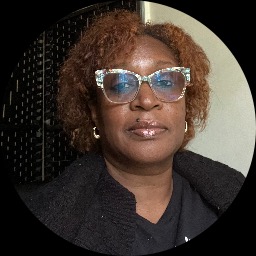
Tracey Van Dyke is a Licensed Professional Counselor who combines practical strategies with a warm, direct style.
01About Tracey
Tracey Van Dyke is a Licensed Professional Counselor who combines practical strategies with a warm, direct style. She focuses on helping people manage anxiety, stress, depression, relationship strains, grief, parenting challenges, and workplace pressures. Her approach aims to make change feel doable and realistic for everyday life.
Tracey draws on client-centered methods to build trust and understand each person's priorities. She pairs that with cognitive behavioral tools to spot unhelpful thoughts and develop new coping habits.
Background and approach
For relationship pain and attachment concerns she uses emotionally-focused ideas to clarify patterns and rebuild connection. Clients often come with trauma, anger, or complex family histories, and Tracey uses trauma-focused and solution-focused techniques to plan concrete steps forward. She also offers tailored anger management work for individuals and groups.
Sessions weigh both short-term relief and longer-term growth goals. With 11 years in the field and practice in Georgia, Tracey works in straightforward, strengths-based ways. She helps people name what is getting in the way, try small changes, and track progress across sessions.
The focus is practical: clearer boundaries, calmer reactions, and improved communication. Her background includes work with a wide range of concerns such as abandonment and attachment issues, blended family dynamics, caregiver stress, body image, and intimacy-related problems. Tracey adapts techniques to each person's situation and life stage.
02Credentials
- LPC (Georgia)
- License LPC009967 · expires September 2026
- NPI
- 1790106185 · national provider identifier
Both are public records. A state board register will confirm a license and its standing, and the national registry will confirm an NPI. This directory copies what the counselor lists and checks neither.
03Focus areas and approaches
Everything Tracey lists on their public professional profile, in their own terms.
- Stress, Anxiety
- Relationship issues
- Trauma and abuse
- Anger management
- Depression
- Family conflicts
- Grief
- Intimacy-related issues
- Parenting issues
- Self esteem
- Career difficulties
- Coping with life changes
- Compassion fatigue
- ADHD
- Abandonment
- Attachment issues
- Blended family issues
- Body image
- Cancer
- Caregiver issues and stress
- Codependency
- Communication problems
- Control issues
- Divorce and separation
- Domestic violence
- Emptiness
- Family of origin issues
- Family problems
- Fatherhood issues
- Forgiveness
- Guilt and shame
- Hospice and end-of-life counseling
- Impulsivity
- Infidelity
- Isolation / loneliness
- Jealousy
- Life purpose
- Multicultural concerns
- Obsessions, compulsions, and OCD
- Panic disorder and panic attacks
- Phobias
- Post-traumatic stress
- Prejudice and discrimination
- Self-love
- Sexual assault and abuse
- Social anxiety and phobia
- Women's issues
- Workplace issues
- Young adult issues
Methods Tracey names
- Client-Centered Therapy
- Cognitive Behavioral Therapy (CBT)
- Emotionally-Focused Therapy (EFT)
- Solution-Focused Therapy
- Trauma-Focused Therapy
- Internal Family Systems
These are the methods Tracey names on their own professional profile. Naming an approach is not evidence of training or certification in it, and this directory checks no training records. Ask directly if it matters to you.
We will earn a commission if you sign up through our link, at no cost to you. It does not change what you pay or the order of the listings.
04Online support
How these approaches guide online counseling
Client-centered therapy focuses on listening and following the client's lead. The therapist helps people name priorities, reflect on strengths, and decide what goals matter most. Cognitive Behavioral Therapy, or CBT, looks at thought patterns and behaviors and teaches practical tools to reduce anxiety, depressive symptoms, and stress-related reactions. Emotionally-Focused Therapy helps clarify emotional responses and relationship patterns so partners or individuals can respond differently and feel more connected.Finding the right mix of methods is part of the work. The therapist will talk with the client about goals, try approaches that fit those goals, and adjust as progress is tracked. That collaborative planning helps shape whether sessions emphasize skills practice, emotional processing, or short-term problem solving.
Online sessions are available by video calls, phone sessions, live chat, or text-based messaging to make scheduling easier. Video is useful for deeper conversations and relational work where seeing expressions helps. Phone sessions require less bandwidth and can fit a break at work. Live chat or text messaging works well for brief check-ins, tracking homework, or when a written exchange feels more comfortable. These options provide flexibility so therapy can fit into busy lives.
05Questions people ask
What kinds of problems does she help with?
She works with stress, anxiety, depression, relationship and intimacy issues, trauma and abuse, anger, grief, parenting concerns, career stress, ADHD, and related family and communication problems.
What is her therapy style like?
Her style is client-centered and strengths-based, using clear, practical strategies. She brings cognitive behavioral, solution-focused, emotionally-focused, and trauma-informed approaches into sessions.
How much experience does she have?
Tracey has worked in the mental health field for 11 years and has provided therapeutic services since 2013.
Where is she licensed and practicing?
She is a Licensed Professional Counselor practicing in Georgia with the LPC credential noted.
Are sessions available in other languages?
Sessions are offered in English.
What session formats are offered?
Sessions can be conducted by video calls, phone sessions, live chat, or text-based messaging to fit different schedules and needs.
How are sessions paid for and what do they cost?
Cost varies with location and therapist availability; sessions use a subscription model that can be canceled at any time.
How do I begin working with her?
Start by selecting the Start Therapy button, complete a short matching questionnaire, and then schedule sessions according to therapist availability.
More counselors in Georgia
See all
Stress, Anxiety, Family, Anger and 2 more
Stress, Anxiety, Addictions, Relationship and 16 more

Stress, Anxiety, Relationship, Family and 14 more

Stress, Anxiety, Addictions, Relationship and 2 more
Is this your profile?
Ask us to correct details or take the page down.