Tim Fredrik Edquilag is a Licensed Professional Counselor (LPC) who offers straightforward, practical care for people facing life’s hard moments.
01About Tim
Tim Fredrik Edquilag is a Licensed Professional Counselor (LPC) who offers straightforward, practical care for people facing life’s hard moments. He focuses on helping individuals manage anxiety, depression, grief, and major life changes. Tim also supports people dealing with relationship and family concerns, identity questions, and work-related stress.
He approaches counseling with a client-centered style that centers the person’s goals and choices. Sessions often blend cognitive-behavioral techniques with mindfulness and psychodynamic ideas to address both thoughts and underlying patterns.
Background and approach
The result is a mix of short-term problem solving and attention to deeper themes that keep getting in the way. Tim brings seven years of experience in mental health and counseling. That time includes work with mood disorders, bipolar disorder, trauma and abuse, and impulse-related concerns.
He also has experience with ADHD, obsessive-compulsive difficulties, panic, phobias, and multicultural issues. People can expect a collaborative, attentive approach. Tim aims to make sessions clear and practical - identifying immediate steps to feel better while tracking longer-term progress.
He adapts methods to what each person needs, whether that means skill practice, exploring history, or a focused plan of small changes. Sessions are offered in English and Tagalog and are provided remotely from Arizona. Tim helps people from diverse backgrounds, including LGBT concerns, blended family issues, caregiver stress, and financial or career-related strain.
02Credentials
- LPC (New Jersey)
- License 37PC00527600 · expires November 2026
- LPC (Arizona)
- License LPC-17764 · expires November 2026
- NPI
- 1881060804 · national provider identifier
Both are public records. A state board register will confirm a license and its standing, and the national registry will confirm an NPI. This directory copies what the counselor lists and checks neither.
03Focus areas and approaches
Everything Tim lists on their public professional profile, in their own terms.
- Stress, Anxiety
- Grief
- Bipolar disorder
- Depression
- Coping with life changes
- LGBT
- Relationship issues
- Family conflicts
- Trauma and abuse
- Intimacy-related issues
- Parenting issues
- Anger management
- Self esteem
- Career difficulties
- Compassion fatigue
- ADHD
- Blended family issues
- Caregiver issues and stress
- Codependency
- Communication problems
- Emptiness
- Family of origin issues
- Gender dysphoria
- Impulsivity
- Intellectual disability
- Money and financial issues
- Mood disorders
- Multicultural concerns
- Obsessions, compulsions, and OCD
- Panic disorder and panic attacks
- Phobias
- Post-traumatic stress
- Social anxiety and phobia
- Traumatic brain injury
- Young adult issues
Methods Tim names
- Client-Centered Therapy
- Cognitive Behavioral Therapy (CBT)
- Mindfulness Therapy
- Psychodynamic Therapy
- Solution-Focused Therapy
These are the methods Tim names on their own professional profile. Naming an approach is not evidence of training or certification in it, and this directory checks no training records. Ask directly if it matters to you.
We will earn a commission if you sign up through our link, at no cost to you. It does not change what you pay or the order of the listings.
04Online support
Approaches that guide online care
Client-centered therapy focuses on the person’s goals and choices, creating a space where the client sets the pace and areas to address. This approach helps when someone needs support making decisions or wants therapy that follows their priorities.Cognitive Behavioral Therapy, or CBT, looks at thoughts and behaviors that keep problems going and teaches practical skills to change them. It is useful for anxiety, depression, panic, OCD-type worries, and coping with life changes.
Mindfulness therapy teaches simple attention and breathing practices to reduce reactivity and improve focus. It often pairs well with cognitive techniques when stress or emotional overwhelm are present.
Finding the right mix of approaches is part of the first sessions. The therapist will work collaboratively to match methods to the client’s goals, comfort, and daily needs. That may mean brief skill-focused work, exploring patterns from the past, or a blend of both.
Online formats include video calls, phone sessions, live chat, and text-based messaging. Video works well for in-depth conversations and visual cues. Phone sessions use less bandwidth and can fit into a work break. Live chat and messaging let people check in between sessions or use shorter exchanges when that fits daily life. These options add flexibility for those balancing work, family, or busy schedules.
05Questions people ask
What concerns does Tim help with?
He works with stress, anxiety, depression, bipolar disorder, grief, trauma and abuse, and related mood concerns. He also addresses relationship issues, parenting strain, ADHD, OCD-type problems, and career or financial stress.
What is Tim's therapy style like?
His style is client-centered and collaborative, mixing cognitive-behavioral techniques, mindfulness, and psychodynamic ideas. Sessions balance practical skills with attention to deeper patterns.
How much experience does he have?
Tim has seven years of experience working in mental health and counseling with a range of concerns from mood disorders to trauma and brain injury recovery.
Where does Tim practice and what are his credentials?
He practices remotely from Arizona and holds LPC licensure in New Jersey and Arizona as a Licensed Professional Counselor.
Which languages are supported in sessions?
Sessions are offered in English and Tagalog to accommodate speakers of both languages.
What session formats are available?
Tim offers video calls, phone sessions, live chat, and text-based messaging to fit different needs and schedules.
How much does therapy cost?
Cost varies with location and therapist availability; sessions use a subscription model that can be canceled at any time.
How do I begin working with Tim?
Click the Start Therapy button, complete a short matching questionnaire, and schedule sessions according to the therapist's availability.
More counselors in Arizona
See all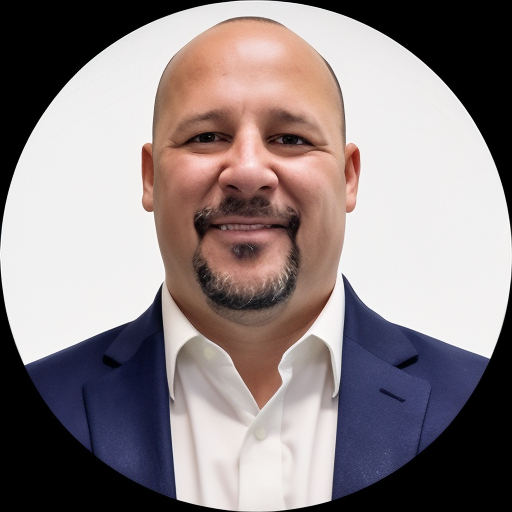
Addictions, Relationship, Trauma and abuse and 2 more

Stress, Anxiety, Relationship, Parenting and 13 more

Stress, Anxiety, Grief, Depression and 7 more

Stress, Anxiety, Trauma and abuse, Self esteem and 12 more
Is this your profile?
Ask us to correct details or take the page down.