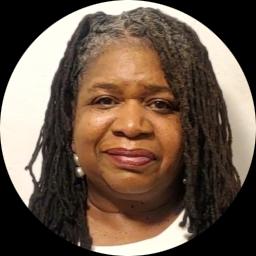
Stephanie Trahant is a licensed professional counselor who focuses on relationship strain, grief, anxiety, depression, stress, and life transitions.
01About Stephanie
Stephanie Trahant is a licensed professional counselor who focuses on relationship strain, grief, anxiety, depression, stress, and life transitions. She presents herself as a practical, down-to-earth guide who gives concrete tools and homework when helpful. Parents reading on a phone will find short, clear language and an emphasis on real-life change.
She normally blends practical techniques with reflective conversation. That means she may offer skill-based exercises alongside questions about meaning and values.
Background and approach
She also uses approaches aimed at processing traumatic memories when that seems useful. Stephanie has worked in counseling off and on since completing her master’s degree at Colorado Christian University in 1998. Over the years she shifted to part-time while raising two daughters and now brings that life experience into sessions.
She holds LPC credentials in Virginia and Colorado and draws on about 12 years of focused practice. In sessions she can be both direct and warm. She often gives written exercises or small tasks to try between meetings.
She also writes well and frequently uses online chat to help people find words for difficult feelings. People who value a blend of practical tools, meaning-focused reflection, and occasional spiritual conversation may find her style fits. She aims to bring hope and a light touch of humor while helping clients work toward clear goals.
02Credentials
- LPC (Colorado)
- License 3033 · expires August 2027
- LPC (Virginia)
- License 0701008875 · expires June 2026
- NPI
- 1700405180 · national provider identifier
Both are public records. A state board register will confirm a license and its standing, and the national registry will confirm an NPI. This directory copies what the counselor lists and checks neither.
03Focus areas and approaches
Everything Stephanie lists on their public professional profile, in their own terms.
- Relationship issues
- Grief
- Stress, Anxiety
- Family conflicts
- Trauma and abuse
- Parenting issues
- Self esteem
- Career difficulties
- Depression
- Coping with life changes
- Blended family issues
- Cancer
- Caregiver issues and stress
- Communication problems
- Control issues
- Divorce and separation
- Eating and food-related issues
- Family problems
- Forgiveness
- Guilt and shame
- Hospice and end-of-life counseling
- Isolation / loneliness
- Life purpose
- Veteran and Armed Forces Issues
- Mood disorders
- Post-traumatic stress
- Women's issues
Methods Stephanie names
- Cognitive Behavioral Therapy (CBT)
- Existential Therapy
- Eye Movement Desensitization and Reprocessing (EMDR)
These are the methods Stephanie names on their own professional profile. Naming an approach is not evidence of training or certification in it, and this directory checks no training records. Ask directly if it matters to you.
We will earn a commission if you sign up through our link, at no cost to you. It does not change what you pay or the order of the listings.
04Online support
How therapeutic approaches fit into online care
CBT or Cognitive Behavioral Therapy focuses on identifying unhelpful thoughts and testing them with practical exercises. It helps with anxiety, depression, stress, and everyday coping by offering clear skills to try between sessions.Existential Therapy looks at meaning, values, and life choices. It helps when people feel stuck, face big life questions, or want to explore purpose and direction.
EMDR or Eye Movement Desensitization and Reprocessing is an approach used to process traumatic memories and reduce their emotional impact. When appropriate, it can be part of a plan to address trauma and abuse concerns.
Finding the right approach is collaborative. The therapist will discuss your needs and goals, try methods that match those priorities, and adjust based on what helps most. You and the therapist work together to pick tools and plan next steps.
Online sessions offer flexibility in how therapy happens. Video calls let you talk face-to-face, phone sessions can be easier when bandwidth is low, live chat helps put feelings into words through writing, and text-based messaging supports short check-ins or ongoing notes. These options make it easier to fit therapy into busy schedules and different life rhythms.
05Questions people ask
What concerns does she address?
Focus areas include relationship problems, grief, stress, anxiety, depression, parenting and coping with life changes, among other concerns listed in her specialties.
How would you describe her therapeutic style?
She mixes practical skill teaching with reflective questions about meaning and values, and she often assigns brief homework to support change between sessions.
What is her professional background?
She completed a master’s degree at Colorado Christian University in 1998 and has roughly 12 years of focused counseling practice spread over her career.
What credentials and location are listed?
She is a Licensed Professional Counselor with LPC credentials in Colorado and Virginia, and she practices from Virginia.
In what languages can sessions be held?
Sessions are offered in English.
Which session formats are available?
Sessions can be conducted via video calls, phone sessions, live chat, or text-based messaging.
How does payment and cost work?
Cost varies with location and therapist availability; sessions use a subscription model that can be canceled at any time.
How do I begin working with her?
Click the Start Therapy button, complete a short matching questionnaire, and schedule sessions based on therapist availability.
More counselors in Virginia
See all
Addictions, LGBT, Self esteem and 2 more

Stress, Anxiety, Trauma and abuse, Grief and 14 more
Stress, Anxiety, Addictions, Grief and 12 more

Stress, Anxiety, Addictions, Trauma and abuse and 2 more
Is this your profile?
Ask us to correct details or take the page down.