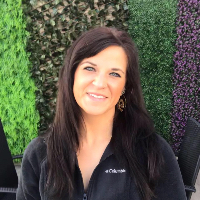
Sarah Soper is a Licensed Professional Counselor who offers calm, steady support for adults navigating stress, anxiety, depression, relationship strain, and trauma.
01About Sarah
Sarah Soper is a Licensed Professional Counselor who offers calm, steady support for adults navigating stress, anxiety, depression, relationship strain, and trauma. She meets people where they are and helps them take small, manageable steps toward feeling more like themselves. Her approach is collaborative and warm.
She uses evidence-based techniques informed by neuroscience and trauma-responsive thinking. Sessions are shaped around each person's story, pace, and cultural background. Sarah pays close attention to how identity and life experience affect healing.
Background and approach
Sarah has worked in hospital, outpatient, and virtual settings. That range of experience helped her learn practical ways to support people during transitions and difficult seasons. She has also led programs serving vulnerable and displaced communities, which informs her understanding of dignity and resilience.
She offers services in English and Arabic and can adapt work to different cultural contexts. Her style aims to make hard conversations feel manageable, whether someone is dealing with relationship problems, self-esteem struggles, chronic health issues, or feelings of abandonment. Clients can expect straightforward, paced sessions that focus on coping skills, meaning-making, and rebuilding daily routines.
Sarah encourages a steady, breathing-forward process rather than rushing toward quick fixes. She helps people notice strengths and set realistic steps toward their goals.
02Credentials
- LPC (Texas)
- License 94674 · expires August 2027
- NPI
- 1235096751 · national provider identifier
Both are public records. A state board register will confirm a license and its standing, and the national registry will confirm an NPI. This directory copies what the counselor lists and checks neither.
03Focus areas and approaches
Everything Sarah lists on their public professional profile, in their own terms.
- Stress, Anxiety
- Relationship issues
- Trauma and abuse
- Self esteem
- Depression
- Abandonment
- Adoption and foster care
- Aging and geriatric issues
- Attachment issues
- Avoidant personality
- Blended family issues
- Body image
- Caregiver issues and stress
- Chronic pain, illness, and disability
- Co-morbidity
- Commitment issues
- Communication problems
- Control issues
- Dependent personality
- Dissociation
- Divorce and separation
- Domestic violence
- Family of origin issues
- Family problems
- Fatherhood issues
- Forgiveness
- Gender dysphoria
- Guilt and shame
- Immigration issues
- Impulsivity
- Infidelity
- Isolation / loneliness
- Jealousy
- Life purpose
- Midlife crisis
- Veteran and Armed Forces Issues
- Mood disorders
- Multicultural concerns
- Narcissism
- Obsessions, compulsions, and OCD
- Panic disorder and panic attacks
- Personality disorders
- Postpartum depression
- Post-traumatic stress
- Pregnancy and childbirth
- Prejudice and discrimination
- Self-harm
- Self-love
- Sexual assault and abuse
- Sexuality
- Social anxiety and phobia
- Women's issues
- Workplace issues
- Young adult issues
We will earn a commission if you sign up through our link, at no cost to you. It does not change what you pay or the order of the listings.
04Online support
Evidence-informed approaches for online care
Sarah uses neuroscience-informed techniques to help people understand how stress and trauma affect thinking and behavior. This approach breaks down how the brain responds to worry and overwhelm and offers practical ways to feel steadier day to day.She also works with trauma-responsive methods that prioritize safety, pacing, and building skills before tackling painful memories. Those methods are helpful for people coping with abuse, dissociation, or repeated stressors because they focus on stabilization and gradual progress.
Finding the right approach is part of the work. Sarah collaborates with each person to choose strategies that match their goals, pace, and cultural context. She checks in often and adjusts plans based on what is helpful for daily life rather than sticking to a fixed model.
Online therapy offers flexibility in how sessions happen. Video calls let people use face-to-face interaction from wherever they are. Phone sessions can be easier when video isn't needed or bandwidth is limited. Live chat and text-based messaging work well for brief check-ins, faster reflections, or days when writing feels easier than talking. These options make it simpler to fit therapy into work, caretaking, or medical routines.
05Questions people ask
What concerns does she help with?
She supports people facing stress, anxiety, depression, relationship problems, trauma and abuse, and self-esteem issues. Additional focuses include attachment, abandonment, caregiver stress, chronic illness, and related challenges.
What is her therapeutic style like?
Her style is warm, steady, and collaborative. Sessions focus on pacing, practical coping skills, and making space to process difficult experiences.
What background does she bring to sessions?
She has three years of clinical experience working in hospital, outpatient, and virtual settings and has led programs for vulnerable communities.
Where is she licensed and based?
She is a Licensed Professional Counselor (LPC) licensed in Texas and practices from that state.
Which languages are supported in sessions?
Sessions are offered in English and Arabic.
What session formats are available?
Sessions are available via video calls, phone sessions, live chat, or text-based messaging to fit different schedules and needs.
How does billing and cost work?
Cost varies with location and therapist availability and uses a subscription model that can be canceled at any time.
How do I begin working with her?
Click the Start Therapy button, complete a short matching questionnaire, and schedule a session based on the therapist's availability.
More counselors in Texas
See all
Relationship, Family, Anger and 13 more

Stress, Anxiety, Self esteem, Career and 2 more

Stress, Anxiety, Depression, Coping with life changes
Stress, Anxiety, LGBT, Relationship and 15 more
Is this your profile?
Ask us to correct details or take the page down.