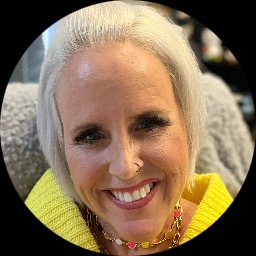
Priscilla Whitlock-Coates is a licensed professional counselor who helps people facing family stress, trauma, parenting challenges, and major life changes.
01About Priscilla
Priscilla Whitlock-Coates is a licensed professional counselor who helps people facing family stress, trauma, parenting challenges, and major life changes. She speaks plainly and keeps sessions focused on practical steps you can use between meetings. Her approach is calm and respectful, aimed at helping clients feel understood and more in control of daily life.
With three decades of experience, she draws on a range of techniques to help people work through painful memories and improve relationships.
Background and approach
She offers support for issues like abandonment, attachment difficulties, adoption and foster care concerns, and blended family tensions. She also helps those dealing with postpartum mood changes, pregnancy and childbirth concerns, and the effects of military service. In sessions she works collaboratively to shape a plan that fits each person’s situation.
She uses Attachment-Based Therapy to look at how early relationships influence current behavior. She also uses Eye Movement Desensitization and Reprocessing, often called EMDR, when trauma memories are a central struggle. Priscilla practices in Arizona and conducts sessions in English.
Her style combines steady listening with actionable strategies so people can try small changes between meetings. She emphasizes compassion and sensitivity while keeping goals realistic and concrete. People who choose her often want straightforward guidance on parenting, family conflict, self-esteem, or recovering after trauma.
She supports gradual progress and helps clients build skills for coping with life’s transitions.
02Credentials
- LPC (Arizona)
- License LPC-17755 · expires November 2026
- NPI
- 1194315747 · national provider identifier
Both are public records. A state board register will confirm a license and its standing, and the national registry will confirm an NPI. This directory copies what the counselor lists and checks neither.
03Focus areas and approaches
Everything Priscilla lists on their public professional profile, in their own terms.
- Family conflicts
- Trauma and abuse
- Parenting issues
- Coping with life changes
- Relationship issues
- Self esteem
- Coaching
- Abandonment
- Adoption and foster care
- Attachment issues
- Blended family issues
- Family of origin issues
- Family problems
- Veteran and Armed Forces Issues
- Postpartum depression
- Post-traumatic stress
- Pregnancy and childbirth
- Young adult issues
Methods Priscilla names
These are the methods Priscilla names on their own professional profile. Naming an approach is not evidence of training or certification in it, and this directory checks no training records. Ask directly if it matters to you.
We will earn a commission if you sign up through our link, at no cost to you. It does not change what you pay or the order of the listings.
04Online support
How therapeutic approaches translate to online care
Attachment-Based Therapy looks at how early relationships shape how a person connects with others now. Online sessions let a therapist and client map those patterns and practice new ways of relating using conversation and homework between meetings. Eye Movement Desensitization and Reprocessing, or EMDR, is a method used to reduce the intensity of traumatic memories. In remote EMDR work the therapist guides processing through structured steps while the client focuses on the memories and follows bilateral stimulation suited to video or phone formats.Finding the right approach is part of the work together. The therapist will talk with the client about goals, history, and what feels most helpful. Decisions about using Attachment work, EMDR, or other methods are made collaboratively and can change as progress is made.
Online sessions are offered by licensed professionals and can include video calls, phone sessions, live chat, or text-based messaging. Video calls are good for in-depth, conversational work and EMDR-style processing. Phone sessions can be easier when a quieter, no-camera check-in is preferred. Live chat and text messaging work for brief coaching, quick check-ins, and follow-up between longer sessions. These formats add flexibility so therapy can fit school, work, or family life without extra travel.
05Questions people ask
What concerns does she often help people with?
She works with family conflict, trauma and abuse, parenting struggles, life transitions, relationships, and self-esteem. Additional focus areas include abandonment, adoption and foster care, and attachment issues.
What is her general therapeutic approach and style?
She takes a respectful, sensitive, and practical approach. Sessions focus on listening, understanding patterns, and trying manageable strategies that fit each person’s life.
How much clinical experience does she have?
She has 30 years of experience working with people across a range of family and trauma-related concerns.
What are her credentials and where is she based?
She is an LPC, which stands for Licensed Professional Counselor, and she practices in Arizona.
Which languages are supported for sessions?
Sessions are offered in English.
What session formats are available?
She offers video calls, phone sessions, live chat, and text-based messaging to suit different needs and schedules.
How are sessions priced?
Cost varies with location and therapist availability; sessions use a subscription model that can be canceled at any time.
How does someone begin working with her?
Start by selecting the Start Therapy button, completing a short matching questionnaire, and then scheduling sessions according to the therapist’s availability.
More counselors in Arizona
See all
Addictions, Relationship, Trauma and abuse and 2 more
Stress, Anxiety, Relationship, Parenting and 13 more

Stress, Anxiety, Grief, Depression and 7 more

Stress, Anxiety, Trauma and abuse, Self esteem and 12 more
Is this your profile?
Ask us to correct details or take the page down.