Natasha Deshommes greets people with a calm, practical approach.
01About Natasha
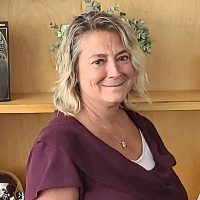
Natasha Deshommes greets people with a calm, practical approach. She focuses on helping individuals manage stress, grief, relationship strains, and low self-esteem. Natasha speaks English and Haitian Creole and practices as an LPC and LMHC while working from Rhode Island.
She prefers short, clear conversations that focus on immediate concerns and realistic steps. Sessions center on what the person wants to change and what feels achievable right now. Natasha listens first, then helps set small goals to build forward momentum.
Background and approach
Her work draws on client-centered methods that let people lead the conversation. She also uses cognitive behavioral techniques to identify unhelpful thoughts and try different responses. For people tangled in strong emotions, she brings in strategies from dialectical behavior therapy to manage intense feelings and steady relationships.
Natasha has eight years of experience in clinical settings and community work. That background includes helping with family issues, trauma and abuse, adoption and foster care topics, caregiver stress, first responder concerns, and end-of-life situations among other areas. She adapts session pace and tools to each person’s situation.
Practical supports are part of the process: simple coping plans, communication steps to test between sessions, and motivation-focused guidance when people feel stuck. To start, a short matching questionnaire connects someone to scheduling options and the session format that fits them best.
02Credentials
- LMHC (Florida)
- License MH21645 · expires March 2027
- LMHC (Rhode Island)
- License MHC01630 · expires July 2026
- LPC (New Jersey)
- License 37PC01018800 · expires November 2026
- LPC (South Carolina)
- License 10408 · expires August 2027
- NPI
- 1710371349 · national provider identifier
Both are public records. A state board register will confirm a license and its standing, and the national registry will confirm an NPI. This directory copies what the counselor lists and checks neither.
03Focus areas and approaches
Everything Natasha lists on their public professional profile, in their own terms.
- Family conflicts
- Grief
- Self esteem
- Depression
- Compassion fatigue
- Stress, Anxiety
- Relationship issues
- Trauma and abuse
- Parenting issues
- Career difficulties
- Coping with life changes
- Coaching
- Adoption and foster care
- Blended family issues
- Body image
- Caregiver issues and stress
- Codependency
- Commitment issues
- Communication problems
- Eating and food-related issues
- Family of origin issues
- Family problems
- First responder issues
- Forgiveness
- Guilt and shame
- Hospice and end-of-life counseling
- Immigration issues
- Infidelity
- Life purpose
- Multicultural concerns
- Prejudice and discrimination
- Seasonal Affective Disorder (SAD)
- Self-harm
- Self-love
- Workplace issues
- Young adult issues
Methods Natasha names
- Client-Centered Therapy
- Cognitive Behavioral Therapy (CBT)
- Dialectical Behavior Therapy (DBT)
- Motivational Interviewing
- Narrative Therapy
- Solution-Focused Therapy
These are the methods Natasha names on their own professional profile. Naming an approach is not evidence of training or certification in it, and this directory checks no training records. Ask directly if it matters to you.
We will earn a commission if you sign up through our link, at no cost to you. It does not change what you pay or the order of the listings.
04Online support
How Natasha Uses Practical Therapies Online
Natasha often blends client-centered work with cognitive behavioral therapy. Client-centered therapy means she follows what the person brings to the room, offers empathy, and helps people name their priorities. Cognitive behavioral therapy focuses on spotting unhelpful thoughts and testing new ways of thinking and behaving to reduce anxiety or low mood.She also uses dialectical behavior therapy tools when emotions feel overwhelming. Those tools teach short-term techniques for calming, managing intense feelings, and improving communication in stressful moments. Together these approaches help with stress, grief, relationship challenges, and coping with life transitions.
Finding the right approach is a team effort. She will talk with the person about goals, try different techniques, and adjust the plan based on what works. Clients help set the pace and choose which strategies to keep.
Online formats include video calls, phone sessions, live chat, and text-based messaging. Video is useful for a full session when visual cues matter. Phone can be quicker or easier when bandwidth is limited. Live chat and text messaging work well for brief check-ins, skill reminders, or follow-up between visits. These options make it easier to fit therapy into work, caregiving, or busy days.
05Questions people ask
What concerns does she help with?
She helps people facing stress, anxiety, depression, grief, relationship problems, parenting and family conflict, trauma and abuse, and career or life changes.
What is her therapy style like?
Sessions are conversational and focused on practical steps. She listens closely, then works with the client to set short-term goals and coping strategies.
What experience does she bring?
She has eight years of professional experience working in clinical and community settings with a range of concerns related to family, trauma, caregiving, and end-of-life matters.
Where is she licensed and based?
She holds LPC and LMHC credentials and is based in Rhode Island. The credential abbreviations stand for Licensed Professional Counselor and Licensed Mental Health Counselor.
Which languages are supported?
Sessions are offered in English and Haitian Creole.
What session formats are available?
She offers video calls, phone sessions, live chat, and text-based messaging for ongoing work and check-ins.
How are sessions paid for?
Cost varies with location and therapist availability; sessions are provided through a subscription model that can be canceled at any time.
How do I begin working with her?
Click the Start Therapy button, complete a short matching questionnaire, and schedule sessions according to the therapist's availability.
More counselors in Rhode Island
See all
Stress, Anxiety, Addictions, Self esteem and 2 more
Stress, Anxiety, Addictions, Self esteem and 11 more

Stress, Anxiety, Addictions, Trauma and abuse and 2 more
Is this your profile?
Ask us to correct details or take the page down.