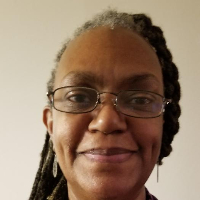
Laurie Mombay greets new clients with a calm, practical approach.
01About Laurie
Laurie Mombay greets new clients with a calm, practical approach. She helps people facing stress, anxiety, depression, anger, grief, sleep problems, bipolar symptoms, and the fallout from trauma and abuse. Laurie uses clear tools and checks progress with straightforward goals.
Laurie holds MD and is a Licensed Clinical Professional Counselor, LCPC, in Maryland and has 18 years of experience. She trained in pastoral counseling at Loyola College but has spent much of her career in secular settings.
Background and approach
Those roles include outpatient care, employee assistance programs, victim advocacy, and work in corrections. Her sessions are warm and nonjudgmental, while still focused on progress. Laurie offers gentle challenge when needed and teaches practical skills clients can apply between sessions.
She emphasizes turning insight into action rather than only talking about problems. Cognitive Behavioral Therapy is a mainstay of her work, and she also draws on Dialectical Behavior Therapy techniques for emotion regulation and distress tolerance. Solution-Focused Therapy helps keep sessions goal-oriented and brief when that fits the client’s needs.
Laurie often helps people rebuild after traumatic experiences and supports those carrying compassion fatigue from demanding roles. She pays attention to family of origin issues, impulsivity, mood and personality concerns, panic, phobias, and social anxiety. Her style aims to make steady, useful change feel possible.
She invites people to share their stories and work together to create a life that feels more manageable and meaningful. Laurie focuses on practical steps and realistic goals to move forward.
02Credentials
- LCPC (Maryland)
- License LC1506 · expires January 2027
- NPI
- 1780282913 · national provider identifier
Both are public records. A state board register will confirm a license and its standing, and the national registry will confirm an NPI. This directory copies what the counselor lists and checks neither.
03Focus areas and approaches
Everything Laurie lists on their public professional profile, in their own terms.
- Stress, Anxiety
- Anger management
- Self esteem
- Depression
- Compassion fatigue
- Relationship issues
- Trauma and abuse
- Grief
- Sleeping disorders
- Bipolar disorder
- Antisocial personality
- Family of origin issues
- Impulsivity
- Life purpose
- Mood disorders
- Panic disorder and panic attacks
- Personality disorders
- Phobias
- Post-traumatic stress
- Social anxiety and phobia
Methods Laurie names
These are the methods Laurie names on their own professional profile. Naming an approach is not evidence of training or certification in it, and this directory checks no training records. Ask directly if it matters to you.
We will earn a commission if you sign up through our link, at no cost to you. It does not change what you pay or the order of the listings.
04Online support
Online approaches that focus on skills and goals
Laurie uses Cognitive Behavioral Therapy to help people identify unhelpful thoughts and change behaviors that keep problems alive; CBT is often useful for anxiety, depression, panic, and sleep difficulties. Dialectical Behavior Therapy techniques are used to teach emotion regulation, distress tolerance, and interpersonal effectiveness skills when mood swings or strong reactions get in the way of daily life. Solution-Focused Therapy keeps conversations goal-directed and practical, focusing on small, achievable steps to reach the changes a person wants to see.Choosing the best approach is a collaborative process. Laurie works with clients to match methods to their needs, goals, and preferences. She checks in regularly and adjusts the focus so sessions stay relevant and helpful rather than sticking to one fixed method.
Online therapy options include video calls, phone sessions, live chat, and text-based messaging, which makes it easier to fit appointments around work, caregiving, or travel. Phone sessions use less bandwidth and can be a straightforward check-in, while video calls allow face-to-face conversation. Live chat and text-based messaging are useful for brief updates, skill practice, or when a shorter check-in fits the day. These formats aim to make consistent progress more manageable and accessible for people with busy schedules.
05Questions people ask
What concerns does Laurie commonly address?
She works with stress, anxiety, depression, anger, grief, sleep problems, bipolar symptoms, trauma and abuse, and compassion fatigue, along with related issues such as panic, phobias, and mood or personality difficulties.
How would you describe the therapy style used?
Laurie blends a practical, nonjudgmental stance with clear skills teaching. Sessions focus on useful strategies and measurable steps rather than only talking about feelings.
What kind of professional background does she have?
She has 18 years of clinical experience in outpatient settings, employee assistance programs, victim advocacy, and corrections work, and trained in pastoral counseling at Loyola College.
What credentials and location are on record?
Her listed credentials are MD and LCPC, and she practices in Maryland.
Which languages are supported and are international clients accepted?
Sessions are offered in English. International clients are not currently accepted.
In what formats are sessions offered?
Therapy is available by video calls, phone sessions, live chat, and text-based messaging to fit different scheduling needs.
How is cost handled for sessions?
Cost varies with location and therapist availability; sessions use a subscription model that can be canceled at any time.
What are the first steps to begin working together?
Click the Start Therapy button, complete a short matching questionnaire, and then schedule sessions based on the therapist's listed availability.
More counselors in Maryland
See all
Stress, Anxiety, Relationship, Family and 11 more

Stress, Anxiety, Addictions, Relationship and 2 more

Stress, Anxiety, Relationship, Parenting and 2 more
Stress, Anxiety, Addictions, Relationship and 13 more
Is this your profile?
Ask us to correct details or take the page down.