Kelsey Hofer is a licensed counselor who helps people facing trauma, grief, depression, anxiety, and relationship or intimacy-related concerns.
01About Kelsey
Kelsey Hofer is a licensed counselor who helps people facing trauma, grief, depression, anxiety, and relationship or intimacy-related concerns. She also supports people dealing with stress, compassion fatigue, self-esteem struggles, and life changes. Kelsey brings ten years of experience and focuses on practical help people can use day to day.
She holds a Master’s degree in Clinical and Counseling Psychology with a Concentration in Trauma Studies and uses that background to guide trauma-focused work.
Background and approach
Kelsey draws on several therapy approaches to match a person’s needs rather than using a one-size-fits-all plan. Sessions are collaborative and paced to each person’s comfort. In sessions she listens first and then helps people identify patterns that keep problems going.
That can mean working on thoughts and behaviors, trying short-term strategies to get relief, or telling and reframing difficult stories from the past. She also addresses issues related to sexual identity, gender dysphoria, BDSM and kink, and recovery from sexual assault or domestic violence. Kelsey combines practical tools with gentle reflection.
She helps people set concrete goals, practice new skills, and track small changes. When trauma or dissociation is involved, she supports grounding and stabilization before moving into deeper material. Her licensure includes LPCC and LPC, and she practices with an emphasis on trauma-informed care.
Kelsey is based in Ohio and offers sessions that adapt to what each person needs and prefers.
02Credentials
- LPC (Pennsylvania)
- License PC011607 · expires February 2027
- LPCC (Ohio)
- License E.2102584-SUPV · expires November 2027
- NPI
- 1386288314 · national provider identifier
Both are public records. A state board register will confirm a license and its standing, and the national registry will confirm an NPI. This directory copies what the counselor lists and checks neither.
03Focus areas and approaches
Everything Kelsey lists on their public professional profile, in their own terms.
- LGBT
- Trauma and abuse
- Grief
- Depression
- Compassion fatigue
- Stress, Anxiety
- Relationship issues
- Family conflicts
- Intimacy-related issues
- Anger management
- Self esteem
- Career difficulties
- Bipolar disorder
- Coping with life changes
- BDSM, kink, and alternative sex culture
- Dissociation
- Domestic violence
- Gender dysphoria
- Post-traumatic stress
- Prejudice and discrimination
- Seasonal Affective Disorder (SAD)
- Sexual assault and abuse
- Sexuality
Methods Kelsey names
- Client-Centered Therapy
- Cognitive Behavioral Therapy (CBT)
- Narrative Therapy
- Solution-Focused Therapy
- Trauma-Focused Therapy
- Internal Family Systems
These are the methods Kelsey names on their own professional profile. Naming an approach is not evidence of training or certification in it, and this directory checks no training records. Ask directly if it matters to you.
We will earn a commission if you sign up through our link, at no cost to you. It does not change what you pay or the order of the listings.
04Online support
How therapy approaches and online care work together
Client-Centered Therapy centers the person’s own goals and experiences. It involves reflective listening and joint planning, and it helps when someone needs a respectful space to make sense of difficult feelings. Cognitive Behavioral Therapy, or CBT, looks at how thoughts and behaviors keep problems going and offers practical exercises to change them; it is useful for anxiety, depression, and low mood. Trauma-Focused Therapy focuses on stabilizing reactions to traumatic events and building skills to cope before moving into painful memories; this approach is often used for post-traumatic stress and recovery from abuse.Finding the right approach is part of the work together. Kelsey will discuss different ways of working and help decide what fits a person’s goals, comfort level, and pace. That collaboration can mean starting with short-term, solution-focused strategies or moving toward deeper trauma processing as readiness grows.
Online therapy offers flexibility through video calls, phone sessions, live chat, or text-based messaging. Video lets people use visual cues during conversations, phone calls can be easier when bandwidth is low, live chat works for quick check-ins, and text allows ongoing reflection between sessions. These options make it simpler to fit therapy into a busy life and to try different formats until the best fit is found.
05Questions people ask
What concerns does Kelsey help with?
She supports people with trauma and abuse, grief, depression, anxiety, relationship and intimacy-related issues, and stress. She also works with sexual assault recovery, gender dysphoria, dissociation, and concerns around BDSM and kink.
What is her therapeutic style like?
Her approach is collaborative and client-centered. She listens first, then helps people name patterns and try practical skills to meet their goals.
How long has she been practicing?
Kelsey has about 10 years of experience working in counseling and trauma-focused settings. Her background includes work with survivors of sexual and physical violence.
Where is she licensed and located?
She holds LPCC and LPC credentials and is based in Ohio. The LPCC and LPC abbreviations reflect her documented licensure.
Which languages are supported?
Sessions are offered in English.
What session formats are available?
She offers video calls, phone sessions, live chat, and text-based messaging to fit different needs and routines.
How is cost handled?
Costs vary with location and therapist availability; sessions use a subscription model that can be canceled at any time.
What are the steps to begin working together?
Start by selecting the Start Therapy button, complete a short matching questionnaire, and schedule sessions according to therapist availability.
More counselors in Ohio
See all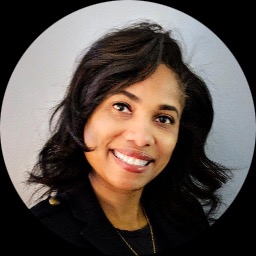
Stress, Anxiety, Relationship, Family and 2 more

Relationship, Intimacy-related issues, Parenting and 2 more

Stress, Anxiety, Relationship, Trauma and abuse and 17 more

Stress, Anxiety, Addictions, Relationship and 2 more
Is this your profile?
Ask us to correct details or take the page down.