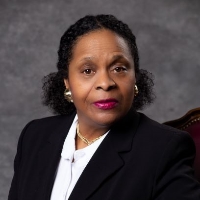
Felicia Spratt is a licensed professional counselor who focuses on helping people manage stress, anxiety, depression, and the effects of trauma.
01About Felicia
Felicia Spratt is a licensed professional counselor who focuses on helping people manage stress, anxiety, depression, and the effects of trauma. She builds straightforward, practical plans with clients to address everyday struggles. Her style is calm and direct, and she speaks plainly about steps people can try between sessions.
She emphasizes understanding how family history and attachment shape current patterns. That perspective is used when tackling problems like abandonment, communication breakdowns, or family conflict.
Background and approach
She also helps people struggling with substance use, impulsivity, and feelings of emptiness or shame. Felicia draws on a trauma-aware approach and pays attention to cultural context. She works with people dealing with caregiver strain, first responder stress, and the challenges that come from intellectual disability within families.
Her aim is to help clients build clearer coping skills and steadier daily routines. Sessions are practical and goal-oriented. Conversations focus on what is getting in the way now and what small changes might make life easier.
She helps people rehearse new responses, troubleshoot setbacks, and track progress over time. With ten years of experience and an LPC credential, she offers support from Missouri. Her work is rooted in collaboration - she helps people choose strategies that match their goals and circumstances.
02Credentials
- LPC (Missouri)
- License 2021003088 · expires June 2027
- NPI
- 1366875031 · national provider identifier
Both are public records. A state board register will confirm a license and its standing, and the national registry will confirm an NPI. This directory copies what the counselor lists and checks neither.
03Focus areas and approaches
Everything Felicia lists on their public professional profile, in their own terms.
- Stress, Anxiety
- Family conflicts
- Trauma and abuse
- Depression
- Coping with life changes
- Abandonment
- Attachment issues
- Caregiver issues and stress
- Communication problems
- Control issues
- Drug and alcohol addiction
- Emptiness
- Family of origin issues
- Family problems
- First responder issues
- Forgiveness
- Guilt and shame
- Impulsivity
- Intellectual disability
- Isolation / loneliness
- Life purpose
- Mood disorders
- Obsessions, compulsions, and OCD
- Post-traumatic stress
- Social anxiety and phobia
- Women's issues
- Workplace issues
- Young adult issues
We will earn a commission if you sign up through our link, at no cost to you. It does not change what you pay or the order of the listings.
04Online support
How evidence-based techniques translate to online care
Evidence-based therapeutic techniques focus on clear, teachable skills that people can apply between sessions. One common method centers on building coping skills for anxiety and stress through step-by-step exercises. This helps when worry or overwhelm gets in the way of daily tasks. Another common technique addresses trauma by creating safety, pacing the work, and teaching grounding tools to manage strong emotions. That approach is useful for people dealing with intrusive memories, flashbacks, or heightened reactivity.Finding the right approach is part of the work itself. The therapist will talk with each person about their goals, needs, and preferences, and then try methods that fit. Sessions are collaborative - adjustments are made based on what helps and what doesn't over time.
Online therapy offers flexible ways to connect. Video calls let people read body language and have a fuller conversation. Phone sessions require less bandwidth and can fit into a short break. Live chat and text-based messaging are helpful for quick check-ins, tracking progress, or when writing feels easier than talking. These options make it simpler to keep care consistent around work, family, or other obligations.
05Questions people ask
What kinds of concerns does this therapist address?
She helps people facing stress, anxiety, depression, trauma and abuse, and major life changes. Additional focus areas include family problems, attachment and abandonment issues, caregiver stress, substance use, isolation, and feelings of emptiness or shame.
How would you describe the therapeutic style?
The approach is trauma-aware and practical, with an emphasis on building coping skills and clearer daily routines. Work in sessions aims to identify manageable steps people can try between meetings.
What background and experience does the therapist have?
Felicia has ten years of clinical experience working with a range of concerns related to stress, family dynamics, and trauma. Her practice focuses on helping people develop skills and make practical changes.
Where is the therapist licensed and located?
She holds an LPC credential and provides services from Missouri.
Which languages are supported and can international clients attend?
Sessions are offered in English. International clients are not currently accepted.
What session formats are available?
Sessions are offered via video calls, phone sessions, live chat, or text-based messaging to suit different schedules and needs.
How does cost and payment work?
Cost varies with location and therapist availability and uses a subscription model that can be canceled at any time.
How do I begin working with this therapist?
Begin by selecting the Start Therapy button, completing a short matching questionnaire, and scheduling a session according to therapist availability.
More counselors in Missouri
See all
Stress, Anxiety, Addictions, Relationship and 14 more
Stress, Anxiety, Addictions, Trauma and abuse and 15 more

Stress, Anxiety, Addictions, Trauma and abuse and 2 more

Addictions, Relationship, Self esteem and 16 more
Is this your profile?
Ask us to correct details or take the page down.