Eugene (Gene) Taylor brings a practical, evidence-based approach to therapy.
01About Eugene
Eugene (Gene) Taylor brings a practical, evidence-based approach to therapy. He is an LPCC with 15 years of experience and focuses on common, stressful problems people face. He speaks plainly and helps people find steps they can use right away.
Gene concentrates on anxiety, depression, stress, relationship strain, and self-esteem. He also works with issues tied to parenting, blended families, aging, and workplace stress. He helps people who feel isolated or are navigating big life transitions.
Background and approach
In sessions he focuses on clear skills and steady progress. That might mean practicing new ways to talk in a relationship, building routines for mood management, or setting small goals to reduce avoidance. He aims for tools clients can use between sessions.
Gene emphasizes collaboration and straightforward plans. He listens to what matters most and adjusts work to fit each person’s life. Many clients appreciate a calm, practical style that sticks to what works.
He offers a balanced mix of emotional support and problem-solving. Whether someone needs help after trauma, is dealing with bipolar mood swings, or wants coaching for life changes, he helps people break problems into manageable steps and find their own solutions.
02Credentials
- LPCC (Minnesota)
- License 623 · expires July 2026
- NPI
- 1962924167 · national provider identifier
Both are public records. A state board register will confirm a license and its standing, and the national registry will confirm an NPI. This directory copies what the counselor lists and checks neither.
03Focus areas and approaches
Everything Eugene lists on their public professional profile, in their own terms.
- Stress, Anxiety
- Family conflicts
- Self esteem
- Depression
- Relationship issues
- Trauma and abuse
- Eating disorders
- Parenting issues
- Anger management
- Bipolar disorder
- Coaching
- ADHD
- Aging and geriatric issues
- Blended family issues
- Caregiver issues and stress
- Communication problems
- Family problems
- Fatherhood issues
- Isolation / loneliness
- Jealousy
- Men's issues
- Seasonal Affective Disorder (SAD)
- Self-harm
- Sexual assault and abuse
- Social anxiety and phobia
- Workplace issues
- Young adult issues
We will earn a commission if you sign up through our link, at no cost to you. It does not change what you pay or the order of the listings.
04Online support
Approaches that translate to online care
Gene uses practical, evidence-based techniques that fit well into remote sessions. One common approach focuses on teaching coping skills for anxiety and depression - like paced breathing, activity planning, and breaking tasks into smaller steps - to reduce overwhelm and build routine. Another approach centers on communication and relationship skills, helping people practice clearer ways to express needs, set boundaries, and resolve conflicts in everyday life.Finding the right approach is a team effort. Gene works with each person to pick methods that match their needs, goals, and preferences. Together they try techniques, review what helps, and adjust the plan so it stays useful and realistic for the client’s schedule and life circumstances.
Online sessions use video calls, phone sessions, live chat, or text-based messaging to make therapy flexible. Video allows face-to-face conversation and screen-sharing for worksheets. Phone sessions can be easier when bandwidth is limited. Live chat or text messaging works for brief check-ins, ongoing coaching, or when someone prefers typed conversation. These options help people fit therapy into work, caregiving, or busy routines.
05Questions people ask
What concerns does Gene commonly address?
He works with stress, anxiety, depression, relationship strain, and self-esteem issues, plus parenting and family-related concerns.
What is his therapeutic style like?
He uses evidence-based techniques in a practical, collaborative way focused on skills and problem solving rather than long, abstract discussion.
How much experience does he have?
He has 15 years of experience helping people manage mood, relationships, and life transitions.
What credentials and location are on record?
He is listed as LPCC with licensure in Minnesota and practices with that regional registration.
Which languages are sessions provided in?
Sessions are offered in English.
What formats are available for sessions?
Sessions are available by video calls, phone sessions, live chat, or text-based messaging.
How are session costs handled?
Cost varies with location and therapist availability; sessions use a subscription that can be canceled at any time.
How do I begin working with him?
Choose the Start Therapy button, complete a short matching questionnaire, and schedule based on therapist availability.
More counselors in Minnesota
See all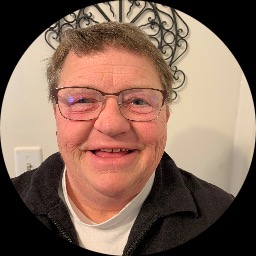
Stress, Anxiety, Trauma and abuse, Career and 13 more

Stress, Anxiety, Addictions, Trauma and abuse and 2 more

Stress, Anxiety, LGBT, Trauma and abuse and 10 more

Stress, Anxiety, Addictions, Trauma and abuse and 2 more
Is this your profile?
Ask us to correct details or take the page down.