David Khalatyan is a licensed counselor who helps people manage stress, anxiety, depression, and relationship strains.
01About David
David Khalatyan is a licensed counselor who helps people manage stress, anxiety, depression, and relationship strains. He practices in California and draws on evidence-based therapeutic techniques to support change. David uses a compassionate, client-centered style and focuses on practical steps clients can try between sessions.
He spends time listening to each person's story and identifying what feels most urgent. Sessions tend to center on understanding patterns - for example in communication, attachment, or reactions to past trauma - and then trying small, doable changes.
Background and approach
David often works with concerns tied to identity and the LGBT experience, abandonment, and family of origin issues. With four years of experience, he helps people dealing with trauma and abuse, dissociation, and the fallout from domestic violence. He also supports clients facing chronic stressors such as caregiving burden, cancer-related stress, or workplace strain.
Relationship topics include codependency, communication problems, and control issues. Therapy with David usually mixes listening, practical exercises, and straightforward reflection. He encourages clients to experiment with new ways of coping and to notice what does and does not work.
Meetings can include short skills practice and planning for how to handle difficult moments between sessions. Sessions are offered in English and are available through video calls, phone sessions, live chat, or text-based messaging. To begin, a short matching questionnaire and scheduling step help connect a person to the first appointment.
02Credentials
- LPCC (California)
- License 15693 · expires January 2028
- NPI
- 1316528458 · national provider identifier
Both are public records. A state board register will confirm a license and its standing, and the national registry will confirm an NPI. This directory copies what the counselor lists and checks neither.
03Focus areas and approaches
Everything David lists on their public professional profile, in their own terms.
- Stress, Anxiety
- LGBT
- Relationship issues
- Trauma and abuse
- Depression
- Abandonment
- Adoption and foster care
- Antisocial personality
- Attachment issues
- Avoidant personality
- Blended family issues
- Cancer
- Caregiver issues and stress
- Codependency
- Communication problems
- Control issues
- Disruptive Mood Dysregulation Disorder (DMDD)
- Dissociation
- Domestic violence
- Family of origin issues
- Fatherhood issues
- Fertility issues
- First responder issues
- Forgiveness
- Guilt and shame
- Hearing impaired
- Immigration issues
- Isolation / loneliness
- Jealousy
- Life purpose
- Men's issues
- Midlife crisis
- Money and financial issues
- Mood disorders
- Multicultural concerns
- Narcissism
- Panic disorder and panic attacks
- Personality disorders
- Phobias
- Polyamory / non-monogamous relationships
- Post-traumatic stress
- Pregnancy and childbirth
- Process addiction (porn, exercise, gambling)
- Seasonal Affective Disorder (SAD)
- Self-harm
- Self-love
- Sex addiction
- Sexual dysfunction
- Sexuality
- Social anxiety and phobia
- Traumatic brain injury
- Trichotillomania
- Visually impaired
- Workplace issues
We will earn a commission if you sign up through our link, at no cost to you. It does not change what you pay or the order of the listings.
04Online support
Evidence-based approaches and flexible online care
David uses evidence-based therapeutic techniques that focus on specific skills and problem areas. One common approach emphasizes learning practical coping skills for anxiety and stress, such as breathing strategies, behavioral experiments, and step-by-step exposure to feared situations. These techniques help people reduce avoidance and build confidence in everyday settings.Another approach centers on understanding attachment and relationship patterns. This involves looking at how early relationships shape current communication, boundary setting, and reactions to closeness or rejection. It can be useful for people dealing with relationship conflict, codependency, or abandonment concerns.
Finding the right approach is a collaborative process. The therapist will work with the client to identify goals, try methods that fit their needs, and adjust the plan based on what helps. Clients take an active role in deciding which techniques to use and how quickly to progress.
Online sessions are offered by video calls, phone sessions, live chat, or text-based messaging to provide practical flexibility. Video works well for in-depth conversations and visual cues, while phone calls suit quieter check-ins or lower bandwidth situations. Live chat and text messaging are useful for brief check-ins, homework support, or when a shorter touchpoint fits a busy day. These options make it easier to fit therapy into work, school, or caregiving schedules.
05Questions people ask
What kinds of problems does David address?
He helps with stress, anxiety, depression, relationship issues, trauma and abuse, and LGBT-related concerns. Additional focus areas include abandonment, attachment issues, caregiving stress, and family of origin problems.
What is his therapeutic style like?
David uses a compassionate, client-centered approach that emphasizes listening and practical steps. Sessions aim to identify patterns and try small, concrete changes between meetings.
How much clinical experience does he have?
He has four years of experience working with a range of emotional and relationship concerns. That background includes supporting people through trauma recovery and stress management.
What credentials and location are listed?
He is listed as LPCC and practices in California. Those details reflect his professional credential and where he offers services.
Which languages are available for sessions?
Sessions are offered in English. International clients are not currently accepted.
Which session formats are offered?
Sessions can be held by video calls, phone sessions, live chat, or text-based messaging. This offers flexibility for different schedules and needs.
How are fees and billing handled?
Cost varies with location and therapist availability and is organized through a subscription model. The subscription can be canceled at any time.
How do I begin working with him?
Start by selecting the Start Therapy button and completing a short matching questionnaire. After that you can schedule sessions according to the therapist's availability.
More counselors in California
See all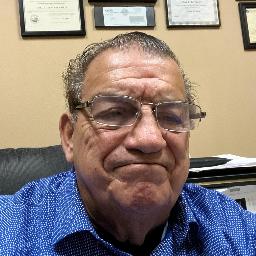
Stress, Anxiety, Relationship, Family and 8 more

Trauma and abuse, Addictions, Grief and 2 more

Stress, Anxiety, Relationship, Family and 10 more

Stress, Anxiety, Relationship, Trauma and abuse and 2 more
Is this your profile?
Ask us to correct details or take the page down.