Catherine Kimrey offers a straightforward, person-focused approach to therapy.
01About Catherine
Catherine Kimrey offers a straightforward, person-focused approach to therapy. She is an LMHC and LPCC with 18 years of experience. Catherine helps people manage stress, anxiety, depression, grief, relationship concerns, and low self-esteem.
She uses a client-centered way of working that puts the person’s experience first. Sessions are meant to feel like a calm, nonjudgmental conversation where thoughts and feelings can be named. That foundation guides practical tools from cognitive behavioral therapy to shift unhelpful thinking patterns.
Background and approach
Mindfulness techniques are woven into sessions when they fit the person’s goals. These practices can help reduce reactivity and build steady attention to what matters most. Trauma-focused methods are also available when past hurt affects current life and relationships.
Over her career Catherine has supported people facing life transitions such as divorce, midlife questions, caregiving strain, blended family challenges, and aging concerns. She also addresses family of origin issues, codependency, infidelity, and isolation or loneliness. Clients can expect direct, simple communication and practical strategies to try between visits.
Catherine helps people set clear, achievable steps and checks progress in ways that feel realistic. Her work aims to make daily life more manageable and meaningful. She practices from Minnesota and conducts sessions in English.
Catherine’s approach emphasizes collaboration, steady support, and skills people can use outside of sessions.
02Credentials
- LMHC (Washington)
- License LH61649323 · expires June 2026
- LPCC (Minnesota)
- License 1788 · expires March 2026
- NPI
- 1710482310 · national provider identifier
Both are public records. A state board register will confirm a license and its standing, and the national registry will confirm an NPI. This directory copies what the counselor lists and checks neither.
03Focus areas and approaches
Everything Catherine lists on their public professional profile, in their own terms.
- Stress, Anxiety
- Relationship issues
- Grief
- Self esteem
- Depression
- Aging and geriatric issues
- Blended family issues
- Caregiver issues and stress
- Codependency
- Communication problems
- Divorce and separation
- Domestic violence
- Family of origin issues
- Family problems
- Forgiveness
- Guilt and shame
- Infidelity
- Isolation / loneliness
- Life purpose
- Midlife crisis
- Veteran and Armed Forces Issues
- Mood disorders
- Post-traumatic stress
- Seasonal Affective Disorder (SAD)
- Self-love
- Social anxiety and phobia
- Women's issues
Methods Catherine names
- Client-Centered Therapy
- Cognitive Behavioral Therapy (CBT)
- Mindfulness Therapy
- Trauma-Focused Therapy
- Systemic Therapy
These are the methods Catherine names on their own professional profile. Naming an approach is not evidence of training or certification in it, and this directory checks no training records. Ask directly if it matters to you.
We will earn a commission if you sign up through our link, at no cost to you. It does not change what you pay or the order of the listings.
04Online support
How Catherine’s Approaches Work Online
Client-centered therapy is about listening and helping the person set the agenda. Online sessions use that same focus to build an open, nonjudgmental conversation where the client leads the goals and pace.Cognitive behavioral therapy (CBT) looks at the links between thoughts, feelings, and actions. In an online format Catherine can teach simple CBT tools, assign brief exercises between sessions, and review progress together to reduce anxiety or low mood.
Mindfulness work helps people notice their experience without getting swept away by it. Short breathing and attention practices can be introduced during a video call or reinforced through text reminders between visits.
Choosing the right approach is a collaborative process. Catherine will talk through options, consider goals and preferences, and adjust methods as needed. The plan can change over time based on what helps most.
Online therapy offers flexibility in how people connect. Video calls let body language and tone come through, phone sessions use less bandwidth, live chat supports quick check-ins, and text messaging helps keep momentum between meetings. These options make it easier to fit therapy into busy days and different routines.
05Questions people ask
What concerns does Catherine commonly help with?
Catherine works with stress, anxiety, depression, grief, relationship concerns, and low self-esteem. She also addresses issues such as caregiver stress, blended family challenges, infidelity, and midlife questions.
What is her general therapy style?
She uses a client-centered approach that focuses on the person’s experience and choices. Practical techniques from CBT and mindfulness are added to help change thinking and build steady attention.
How much experience does she have?
She has 18 years of professional experience working in clinical settings and supporting people through a range of life challenges.
What credentials and region are listed?
The profile lists LMHC and LPCC credentials and notes practice in Minnesota, with the LMHC tied to Washington and the LPCC tied to Minnesota.
Which languages are supported and can international clients join?
Sessions are offered in English. International clients are not currently accepted.
What session formats are available?
Therapy is offered via video calls, phone sessions, live chat, and text-based messaging to fit different schedules and preferences.
How does cost and payment work?
Cost varies with location and therapist availability. Sessions use a subscription that can be canceled at any time.
How do I begin working with Catherine?
Start by selecting the Start Therapy button and completing a short matching questionnaire. After that you can schedule sessions according to therapist availability.
More counselors in Minnesota
See all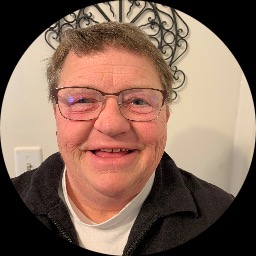
Stress, Anxiety, Trauma and abuse, Career and 13 more

Stress, Anxiety, Addictions, Trauma and abuse and 2 more

Stress, Anxiety, LGBT, Trauma and abuse and 10 more

Stress, Anxiety, Addictions, Trauma and abuse and 2 more
Is this your profile?
Ask us to correct details or take the page down.