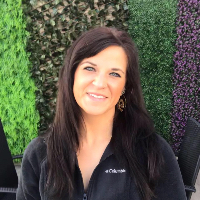
Anne Botter is a Licensed Professional Counselor who helps people facing stress, anxiety, mood shifts, trauma, and relationship struggles.
01About Anne
Anne Botter is a Licensed Professional Counselor who helps people facing stress, anxiety, mood shifts, trauma, and relationship struggles. She listens with curiosity and aims to make sessions feel straightforward and focused. Many clients reach out when they want clearer direction, relief from overwhelming feelings, or help making sense of painful experiences.
In sessions she keeps language plain and practical. Conversations often focus on what is happening now and what small changes could feel manageable.
Background and approach
She also pays attention to how past experiences shape current reactions, and uses that awareness to guide decisions about treatment. Anne has a special interest in people recovering from spiritual and religious harm and in those impacted by other forms of trauma. She also works with clients who face panic, personality challenges, or ongoing mood concerns.
Her work includes coaching-style moments when clients want tangible steps toward progress. Her approach draws on client-centered care, dialectical behavior ideas, psychodynamic thinking, and trauma-focused strategies. This mix lets her tailor sessions to each person rather than following a single template.
Anne practices in Texas and brings three years of clinical experience as an LPC. She offers different session formats to fit busy lives, so people can choose what works for them when they start therapy.
02Credentials
- LPC (Texas)
- License 95067 · expires December 2027
- NPI
- 1245089903 · national provider identifier
Both are public records. A state board register will confirm a license and its standing, and the national registry will confirm an NPI. This directory copies what the counselor lists and checks neither.
03Focus areas and approaches
Everything Anne lists on their public professional profile, in their own terms.
- Stress, Anxiety
- Relationship issues
- Trauma and abuse
- Bipolar disorder
- Coaching
- Aging and geriatric issues
- Communication problems
- Domestic violence
- First responder issues
- Forgiveness
- Guilt and shame
- Isolation / loneliness
- Life purpose
- Mood disorders
- Multicultural concerns
- Panic disorder and panic attacks
- Personality disorders
- Post-traumatic stress
- Self-love
- Sexuality
- Social anxiety and phobia
Methods Anne names
- Client-Centered Therapy
- Dialectical Behavior Therapy (DBT)
- Psychodynamic Therapy
- Trauma-Focused Therapy
These are the methods Anne names on their own professional profile. Naming an approach is not evidence of training or certification in it, and this directory checks no training records. Ask directly if it matters to you.
We will earn a commission if you sign up through our link, at no cost to you. It does not change what you pay or the order of the listings.
04Online support
Therapeutic approaches adapted for online care
Client-centered therapy focuses on listening and understanding a person's perspective. The therapist follows the client's lead, reflects what they hear, and helps people clarify their own goals and values. This approach is useful when someone needs acceptance and clear guidance to make decisions.Dialectical Behavior Therapy, or DBT, brings practical tools for handling intense emotions and improving communication. In online sessions this often includes teaching short skills for distress tolerance, emotion regulation, and mindful attention that can be practiced between meetings. DBT-based strategies can help with panic, mood swings, and relationship stress.
Finding the right approach is part of the work. The therapist will collaborate with each person to decide which methods to use based on current needs, goals, and preferences. That choice can shift over time as progress and new concerns emerge.
Online therapy offers flexibility through video calls, phone sessions, live chat, or text messaging. Video is useful for face-to-face conversation and longer sessions. Phone sessions can be simpler when bandwidth is limited. Live chat and messaging allow shorter check-ins, quick skill coaching, and ongoing support between meetings. These options make it easier to fit therapy into a busy life and to keep momentum when schedules change.
05Questions people ask
What concerns does this therapist commonly address?
She works with stress, anxiety, relationship issues, trauma and abuse, bipolar concerns, and coaching for life goals, alongside related topics like panic, mood disorders, and isolation.
What is the general style of therapy like?
Sessions are conversational and goal-oriented with an emphasis on plain language. Therapy mixes listening, practical coping skills, and exploration of past patterns to inform change.
How much clinical experience does the therapist have?
The clinician has three years of professional experience working with clients in therapeutic settings.
What are the therapist's credentials and location?
Anne Botter holds the LPC credential and practices in Texas as a Licensed Professional Counselor.
Which languages are supported for sessions?
Sessions are offered in English.
What session formats are available?
Therapy is offered via video calls, phone sessions, live chat, and text-based messaging to fit different schedules and preferences.
How are costs and billing handled?
Fees vary by location and therapist availability; sessions use a subscription model that can be canceled at any time.
How do I begin working with this therapist?
Start by selecting the Start Therapy button, complete a short matching questionnaire, and schedule sessions according to therapist availability.
More counselors in Texas
See all
Relationship, Family, Anger and 13 more

Stress, Anxiety, Self esteem, Career and 2 more

Stress, Anxiety, Depression, Coping with life changes
Stress, Anxiety, LGBT, Relationship and 15 more
Is this your profile?
Ask us to correct details or take the page down.